
The moment a coastal brown bear steps out of the sedge and starts feeding 80 yards away, the usual Alaska vacation checklist stops mattering. A lake cruise, a gift shop, a roadside viewpoint, none of it compares. A Lake Clark bear viewing day trip is for travelers who want the real thing: wild country, real access, and the kind of bear encounter you remember for the rest of your life.
Lake Clark National Park delivers a version of Alaska that still feels big, raw, and largely untouched. From Homer, getting there by bush plane turns the day into more than sightseeing. You cross Cook Inlet, watch the terrain shift from ocean to volcanoes to braided river systems, and land in bear country where the road system simply does not exist. That alone changes the experience. You are not looking at Alaska from behind glass. You are in it.
Why a Lake Clark bear viewing day trip stands out
Not all bear viewing trips are built the same, and that matters more than most visitors realize. Some tours focus on checking the box, fly out, see what you can, head back. A stronger trip is shaped around conditions, bear activity, and access. That is where the difference between a decent outing and a remarkable one becomes obvious.
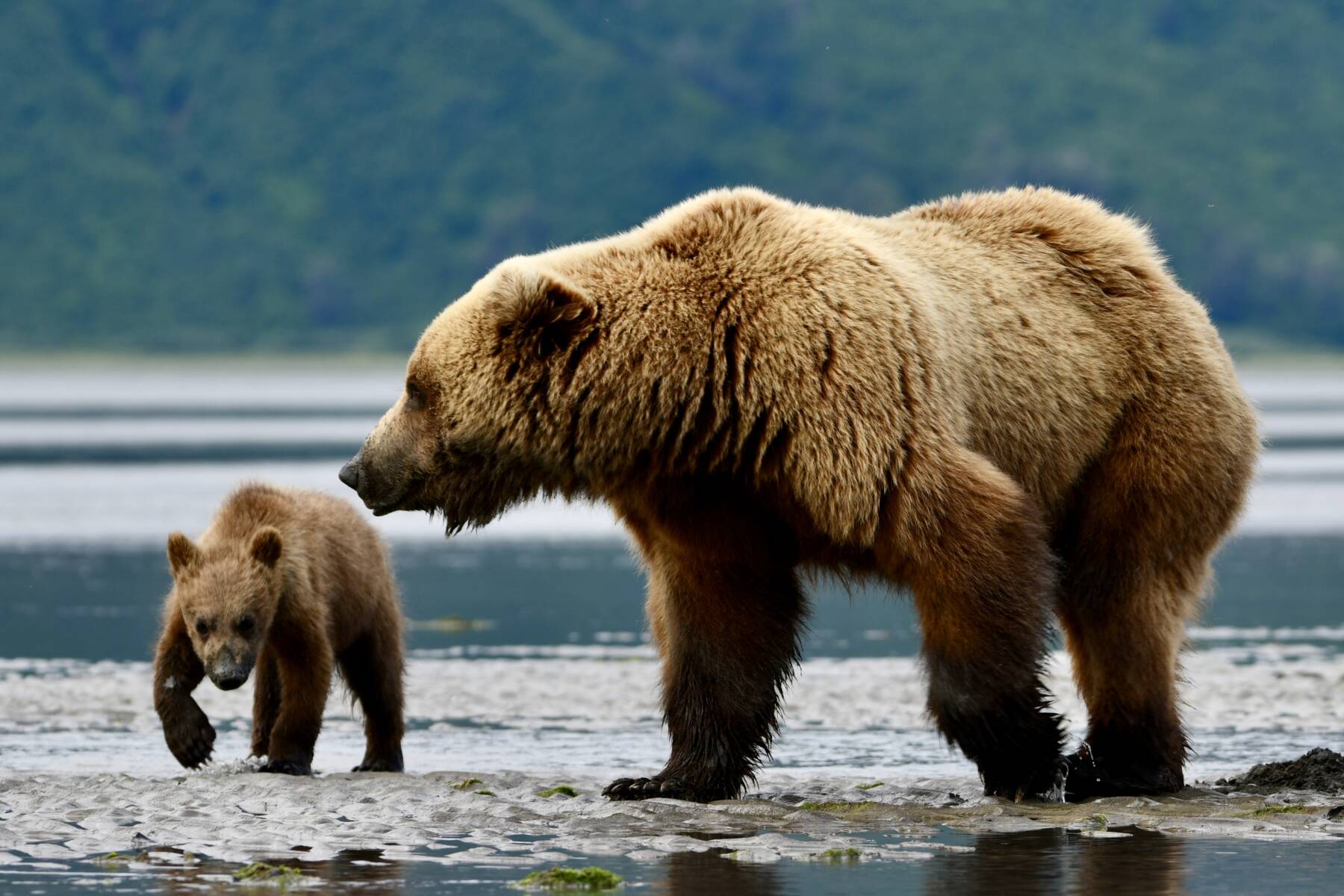
Lake Clark is especially appealing because it offers variety. Depending on timing, tides, weather, and wildlife movement, bears may be feeding in sedge meadows, walking tidal flats, digging for clams, or moving along salmon streams. The best day trips are flexible enough to adapt rather than forcing every guest into the same rigid route.
That flexibility often means a better wildlife encounter and a less crowded one. For travelers trying to avoid the busier, more predictable tourist circuit, Lake Clark hits the sweet spot. It is iconic Alaska without feeling staged.
What the day actually feels like
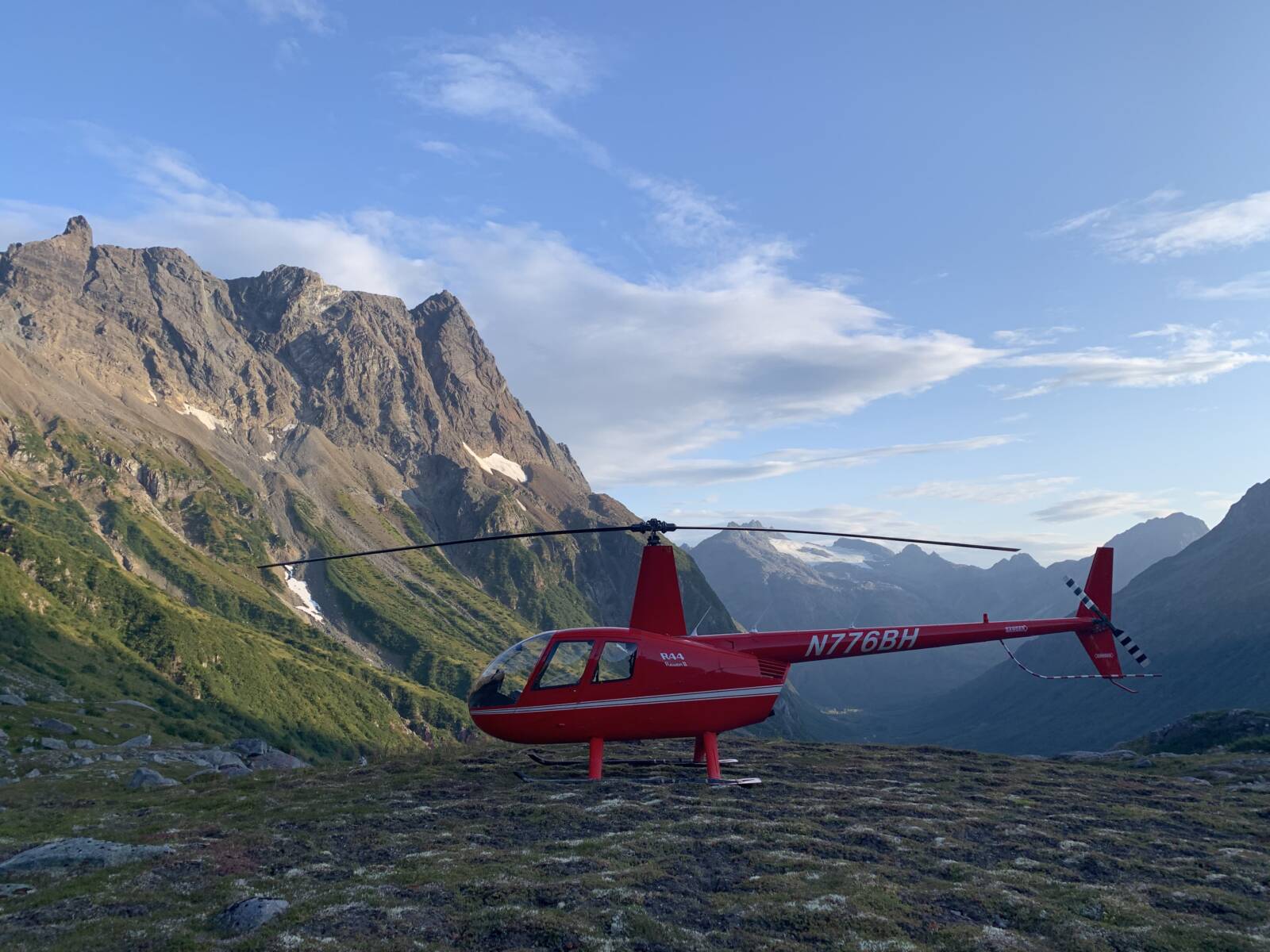
A premium fly-in bear viewing trip starts early, but not in a rushed, cattle-call way. You arrive knowing the day depends on weather, wildlife patterns, and safe access, which is exactly how remote Alaska should be run. Bush flying in this part of the state is not just transportation. It is part of the adventure, and it demands experience.
From the air, the scale of Southcentral Alaska comes into focus fast. Glacial valleys, active volcanic landscapes, alpine ridges, and broad coastal flats all stack into one flight. Then you land, sometimes on a beach, sometimes near water, depending on the route and conditions – and the pace changes immediately.
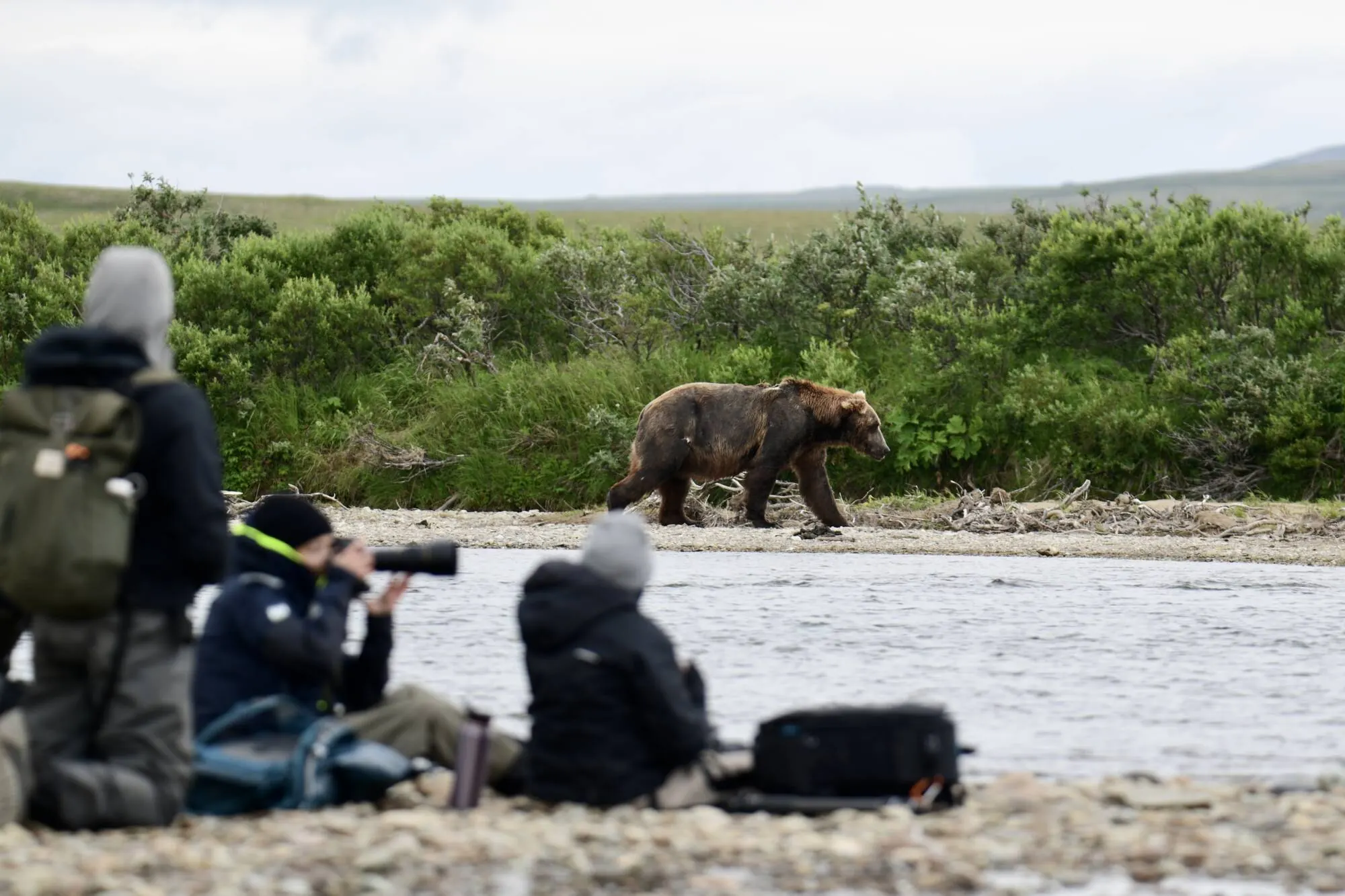
On the ground, the experience is rarely about constant movement. Good bear viewing is part patience, part positioning, and part understanding behavior. A seasoned guide knows when to hold back, when to shift, and how to give both guests and bears the space they need. That is why the best encounters often feel calm rather than chaotic.
You may spend time walking easy terrain, standing quietly near a feeding area, or watching a sow and cubs move across the landscape with no sign of human infrastructure anywhere in view. The silence can be almost as striking as the wildlife.
Timing matters more than people think
If you are planning a Lake Clark bear viewing day trip, the question is not only whether you will see bears. It is what kind of bear activity you want to witness.
Early and mid-summer often bring lush feeding conditions, with bears focused on sedge grasses and coastal foraging. This is a favorite period for many guests because the landscapes are vividly green, cubs are active, and bears can often be spread across open terrain that makes for excellent viewing.
Later in the season, salmon become a stronger draw in some areas, and bear behavior can shift accordingly. For photographers, that can mean a different style of trip. For families or first-time visitors, open meadow and beach viewing can sometimes feel more approachable and relaxed.
There is no single perfect date. Weather, food sources, and daily movement all influence what happens. That is why choosing an operator with real regional experience matters. In Alaska, local judgment is not a nice extra. It is the difference between adapting well and missing the moment.
Crowds, access, and the premium difference
A lot of travelers say they want an authentic Alaska experience, but what they really book is a high-volume day tour with beautiful marketing. Those are not the same thing.
The premium difference usually comes down to access and how the day is managed. Small groups make it easier to move quietly, adjust plans, and keep the experience personal. Remote landing options create opportunities that standard sightseeing models simply cannot offer. And when conditions change, seasoned operators know how to pivot without making the day feel compromised.
Alaska Ultimate Safaris plans each bear viewing day around current activity, safe access, and conditions in the field. Guests on a bear viewing excursion are guaranteed to see a bear. If none is seen, the guest chooses a full refund or a complimentary rebooking, subject to available space. That clear promise reflects years of making careful decisions in wild terrain.
For many guests, that reassurance matters as much as the bears themselves. You are investing in a bucket-list day. You want the trip to feel extraordinary, not improvised.
What to wear and what to bring
One of the biggest mistakes visitors make is dressing for the calendar instead of the conditions. A sunny morning in Homer does not tell you much about what it will feel like on the coast or in a tidal meadow.
Wear layers you can move in. Waterproof outerwear is a smart call even on days that look promising, and sturdy footwear matters because beach landings, uneven ground, and wet terrain are all part of the real Alaska equation. Neutral colors are usually better than bright, flashy gear, not because bears care much about fashion, but because subdued clothing helps the whole group blend into the setting.
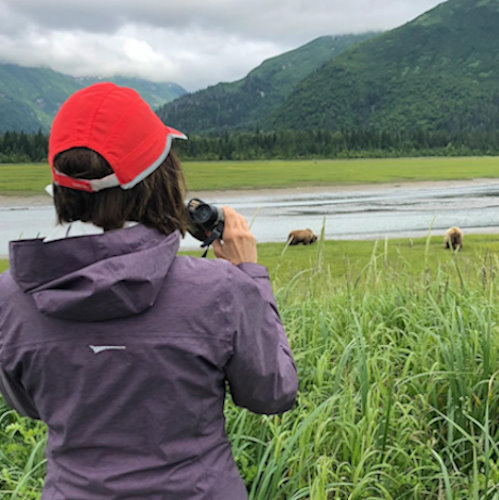
Bring a camera, but do not build the entire day around your screen. Some of the best moments happen fast, and some happen slowly. You want both hands and attention available. Binoculars help, though strong guides often position guests well enough that they are not essential.
Most important, bring the right mindset. Wildlife runs the schedule out here. Travelers who embrace that usually have the best day.
Is a day trip enough?
For many visitors, yes. A well-run Lake Clark bear viewing day trip can deliver an astonishing amount in one day – bush flight, remote landing, major scenery, and close observation of brown bears in the wild. If your Alaska itinerary is tight, it is one of the strongest single-day experiences you can choose.
That said, it depends on what you want. If you are a serious photographer, a repeat Alaska traveler, or someone who wants to layer in glaciers, volcanoes, or lodging in the backcountry, a longer or more customized safari may make more sense. A day trip is powerful because it is concentrated. Multi-day travel gives you more range and more patience with conditions.
Neither option is automatically better. The right choice comes down to your time, budget, and appetite for deeper immersion.
Who this trip is really for
This kind of excursion is a strong fit for travelers who value access over convenience and quality over volume. Couples love it because it feels intimate and cinematic. Families with older kids often find it becomes the story everyone tells for years. Wildlife enthusiasts appreciate the depth of the experience, and photographers value the chance to work in dramatic, uncrowded landscapes.
It is less ideal for travelers who want a highly structured, predictable theme-park version of nature. Wild Alaska does not perform on command. The reward is that when everything comes together, it feels earned.
That is also why Lake Clark leaves such a mark. You are not just seeing a bear. You are watching one move through a living landscape of tides, wind, grass, mountains, and weather. The setting is doing half the work.
How to choose the right operator
When comparing trips, ask a few direct questions. How small are the groups? How much flexibility is built into the route? What kind of aircraft and landing access are used? How long has the company operated in this region? What is the plan if conditions shift?
You should also pay attention to how a company talks about safety. In remote Alaska, confidence is good, but specifics matter more. Experience, judgment, and conservative decision-making are what make an adventurous day possible in the first place.
The strongest operators are not selling a generic scenic flight with a chance of bears. They are delivering a field-tested wildlife experience shaped around access, timing, and respect for the landscape.
If this trip is high on your Alaska list, do not settle for the crowded version. Choose the day that gets you out past the usual edges, into country where the bears still set the terms. That is where the real memory begins.
Plan your bear safari
Ready for the next step?
Check live dates, talk with our Homer team, or ask which bear viewing destination fits your travel window best.