
The best time for Katmai bear viewing is usually June through September, but the best month depends on what you most want to see. Early summer brings green coastal meadows and active family groups. July and August are closely associated with salmon runs. September offers fall color, heavy feeding and fewer visitors, with a greater chance of changing weather.
There is no single date when every bear, salmon run and weather pattern lines up perfectly. Alaska’s seasons move with water levels, fish movement and local conditions. A good bear-viewing operator watches those conditions and chooses the destination that offers the strongest experience for the day.
The quick answer
- June: Best for fresh green scenery, coastal feeding, mothers with cubs and long daylight.
- July: Best known for salmon activity and the classic Brooks Falls experience as runs build.
- August: Excellent for bears feeding intensively on salmon across several Katmai locations.
- September: Best for fall atmosphere, fewer visitors and bears preparing for winter.
Katmai bear viewing in June
June is an underrated month for bear viewing. Bears spend time in coastal sedge meadows, along tidal flats and near streams as they rebuild weight after winter. The landscape is bright green, daylight is long and photographers often enjoy clean, open backgrounds.
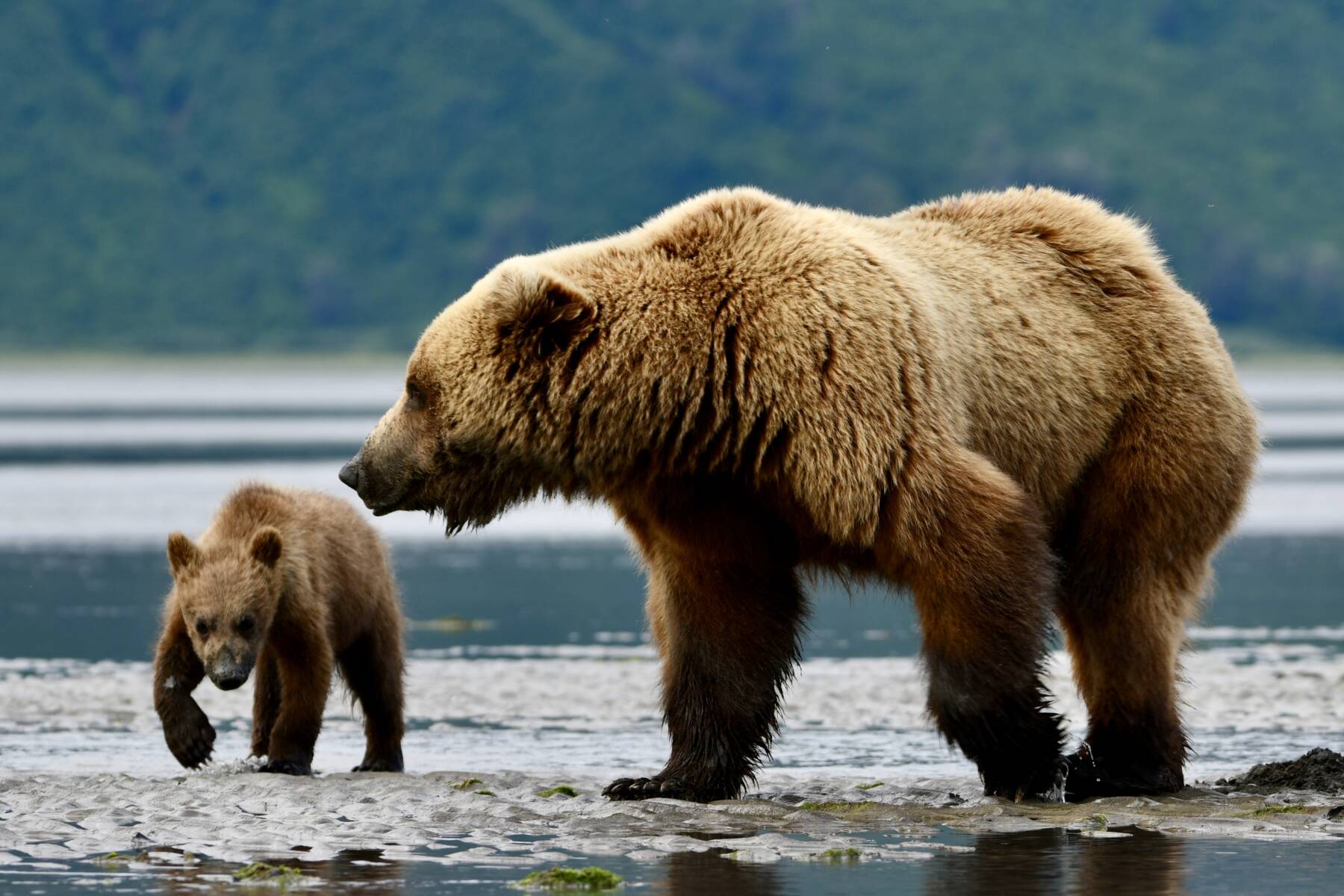
This is also an appealing period for travelers interested in natural bear behavior beyond fishing. Mothers may be traveling with spring cubs, while other bears graze, dig and move through the habitat. Salmon timing varies from year to year, so June should be chosen for the broader wilderness experience rather than a promise of fish at a particular waterfall.
Katmai bear viewing in July
July is the month most people picture when they think of Katmai. Sockeye salmon begin moving through river systems, and bears gather where fish are easiest to catch. Brooks Falls can be especially dramatic, with bears fishing at the falls and along the river.
Because July is famous, it is also one of the busiest periods at the best-known viewing areas. Travelers who want the classic salmon-fishing scene should reserve early and remain flexible about weather. The exact start and strength of a salmon run cannot be scheduled like a calendar event.
Katmai bear viewing in August
August often provides some of the season’s most consistent feeding activity. Salmon may be spread through rivers and streams, and bears can be seen fishing, carrying fish and moving between feeding areas. Depending on current conditions, a coastal location or a different Katmai watershed may offer a better day than the most famous single viewpoint.
Late summer also brings richer colors and softer light. Rain is possible, so waterproof layers and realistic expectations about flying weather matter. The reward is a dynamic landscape and bears focused on gaining weight before winter.
Katmai bear viewing in September
September has a quieter, more autumnal character. Bears continue feeding heavily, crowds generally ease and the tundra begins to change color. For photographers, the combination of fall tones and lower-angle light can be beautiful.
The tradeoff is more variable weather and shorter days. Flights depend on safe conditions in every month, but travelers visiting later in the season should build flexibility into their plans and avoid scheduling a must-catch connection immediately after a bear-viewing day.
Katmai or Lake Clark?
Katmai National Park is famous for enormous protected habitat, remote rivers and Brooks Falls. Lake Clark National Park is known for coastal brown bears feeding in meadows, digging for clams and moving through broad tidal landscapes. Both can deliver exceptional viewing; the strongest choice depends on the month, wildlife activity, weather and the kind of scene you hope to experience.
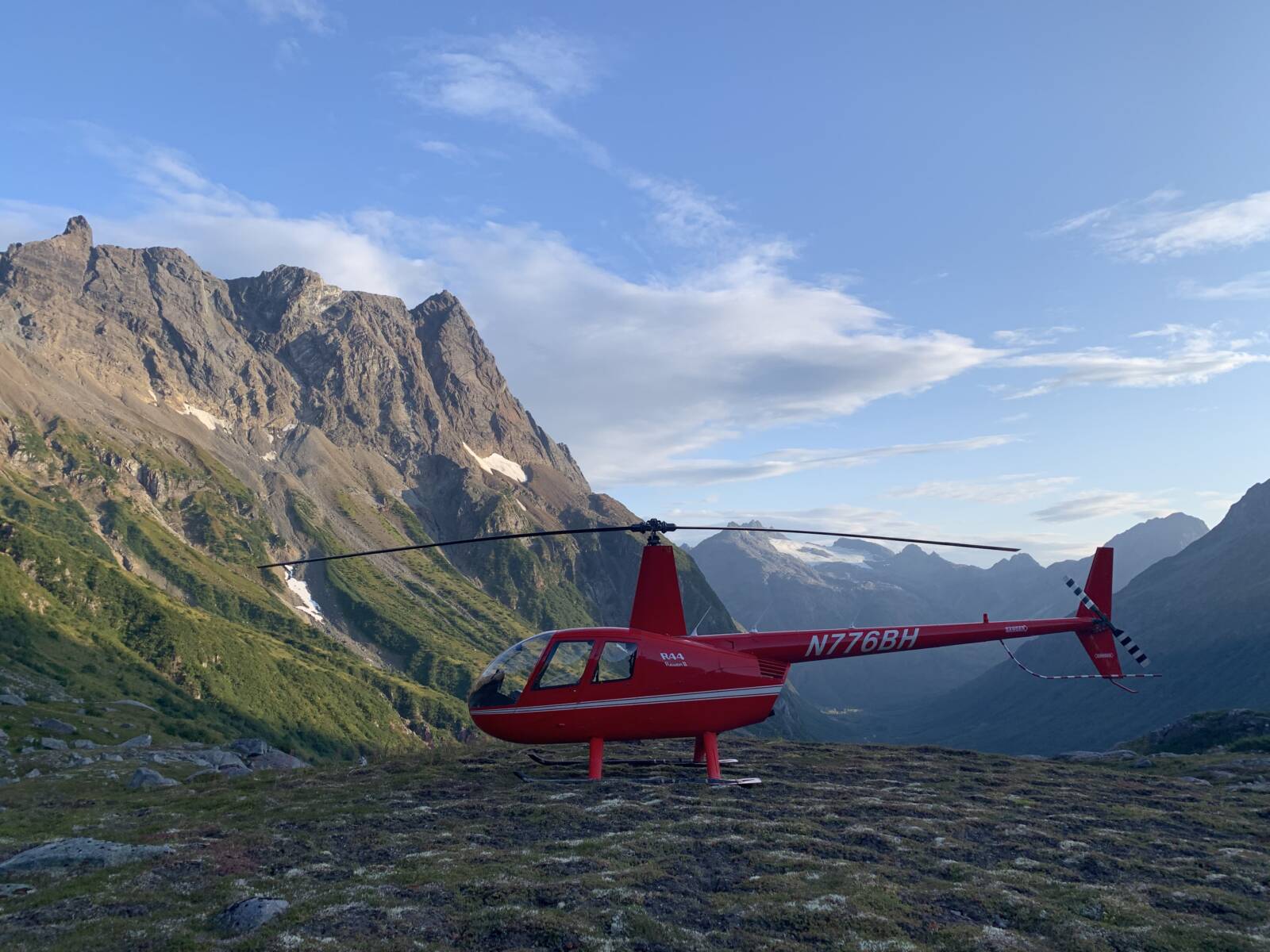
From Homer, a fly-in safari can reach different parts of the Alaska Peninsula and Cook Inlet region. That flexibility matters because bears follow food rather than a fixed sightseeing schedule. Learn more in our Alaska bear viewing guide and compare current bear-viewing safari options.
How to choose your travel date
Choose June if you value green scenery, long days and varied coastal behavior. Choose July if Brooks Falls and the beginning of the salmon season are your highest priorities. Choose August for strong late-summer feeding activity across multiple locations. Choose September for fall atmosphere and a quieter visit.
Whichever month you choose, plan for a full Alaska weather day. Dress in layers, bring rain protection and follow your pilot-guide’s instructions. A flexible schedule gives you the best chance to enjoy the flight, the landscape and the bears without rushing.
Planning a Katmai bear-viewing trip from Homer
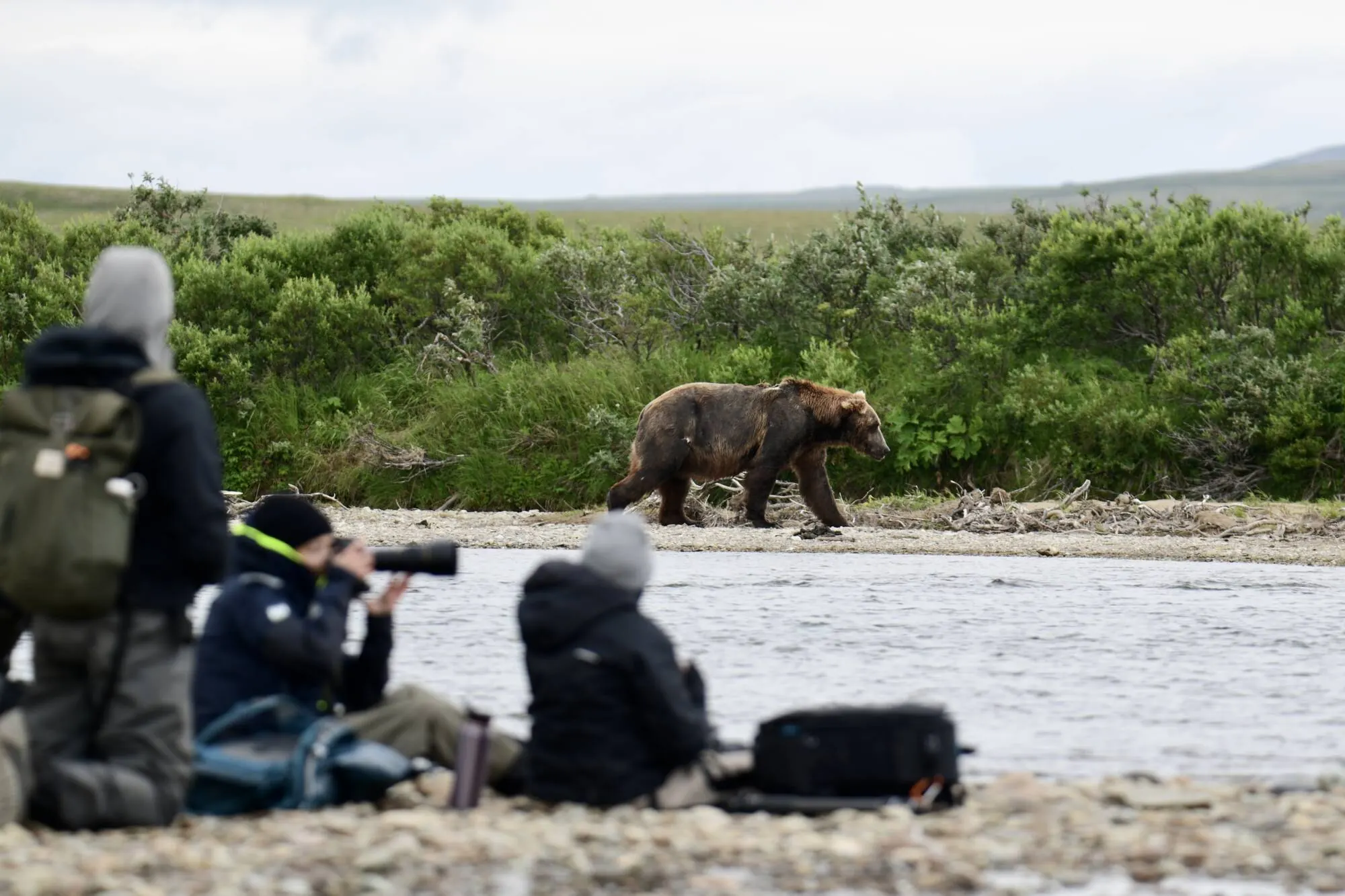
Homer is a practical starting point for fly-in bear viewing because it provides access to more than one bear habitat. Before booking, consider whether your priority is Brooks Falls, coastal bear behavior, photography, family travel or the broadest possible wilderness experience. Ask what is included, how weather decisions are handled and what clothing to bring.
For route details, timing and what the day feels like, read how to get to Katmai from Homer. When you are ready, our team can help match your dates and interests to the most suitable bear-viewing safari.
Plan your bear safari
Ready for the next step?
Check live dates, talk with our Homer team, or ask which bear viewing destination fits your travel window best.