The difference shows up the moment your boots hit the beach. No crowd shuffling into position. No guide rushing through a script. No half-second glimpse of a bear before the group moves on. The best small-group Alaska wildlife tours feel personal, quiet, and deeply real, the kind of day where you hear the surf, watch a brown bear lift its head from the sedges, and realize Alaska still has places that operate on wild time, not tourist time.
For travelers who want more than a scenic checkbox, group size matters. It shapes where you can go, how long you can stay, what wildlife you can safely observe, and whether the day feels exclusive or overrun. In Alaska, especially in bear country, that difference is everything.
Why small-group Alaska wildlife tours stand out
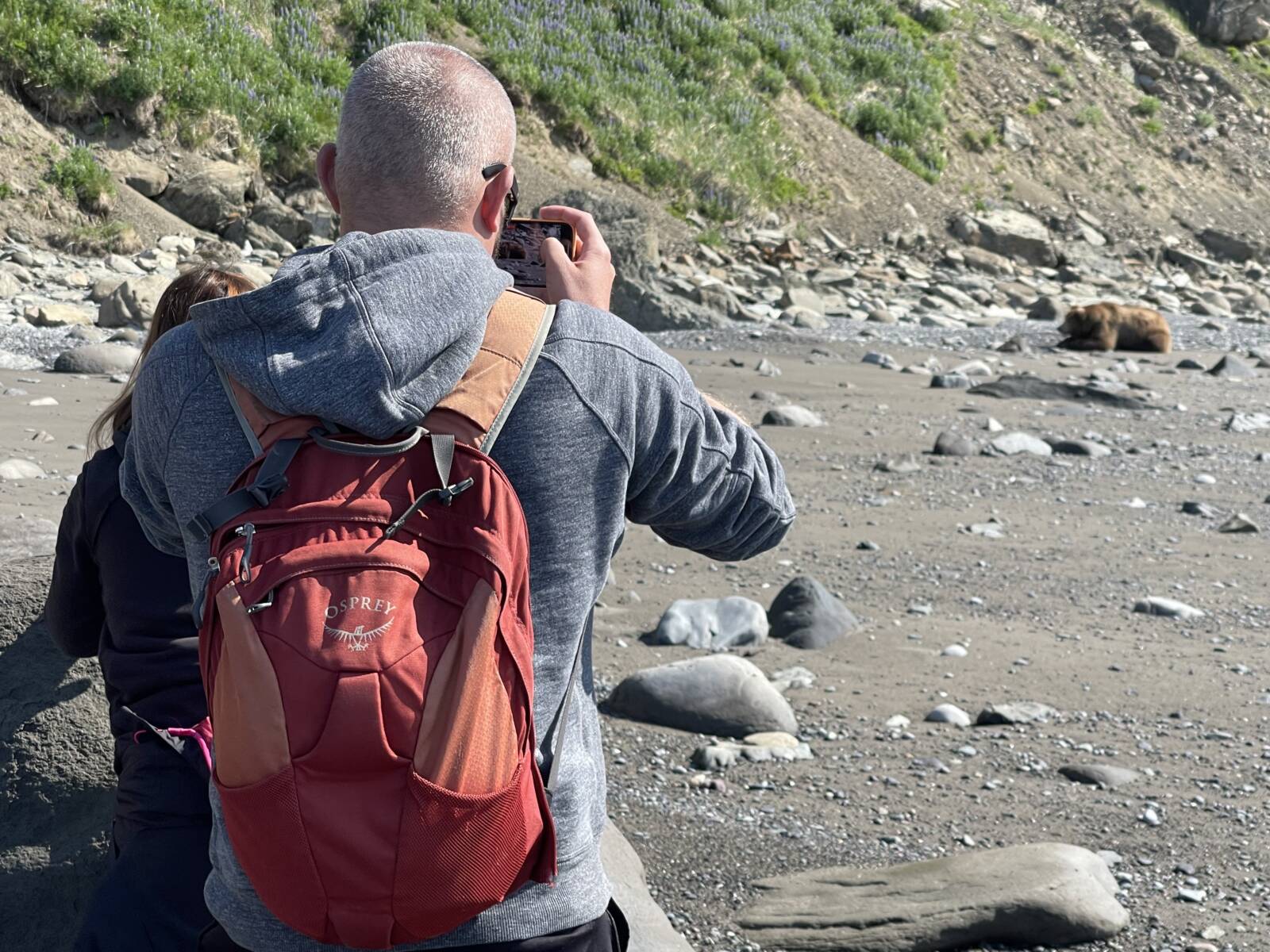
A smaller group changes the entire field experience. With fewer guests, guides can move more deliberately, read conditions better, and adapt around weather, tides, and wildlife activity. That flexibility is a major advantage in remote Alaska, where the best moments are rarely on a rigid timetable.
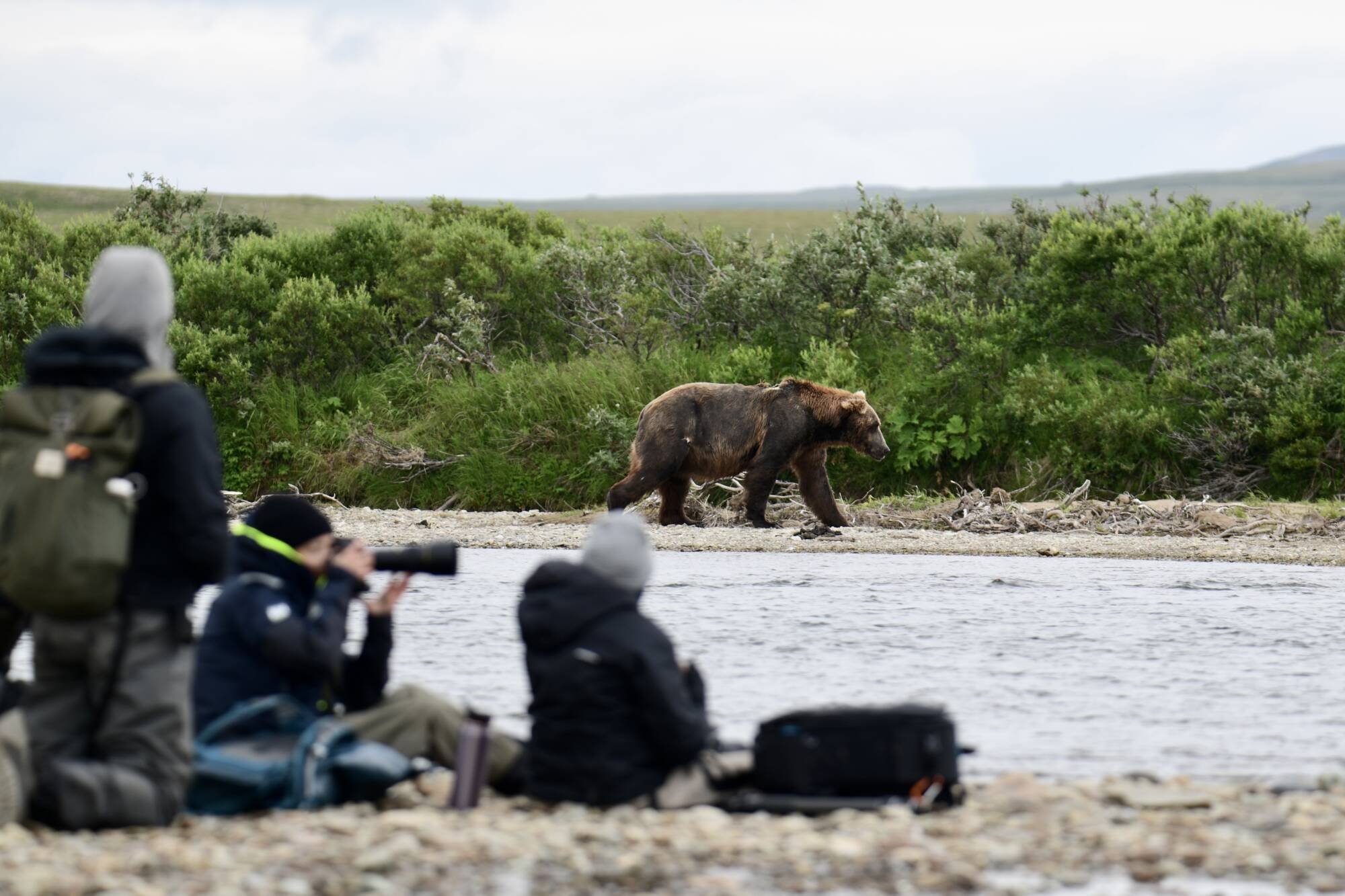
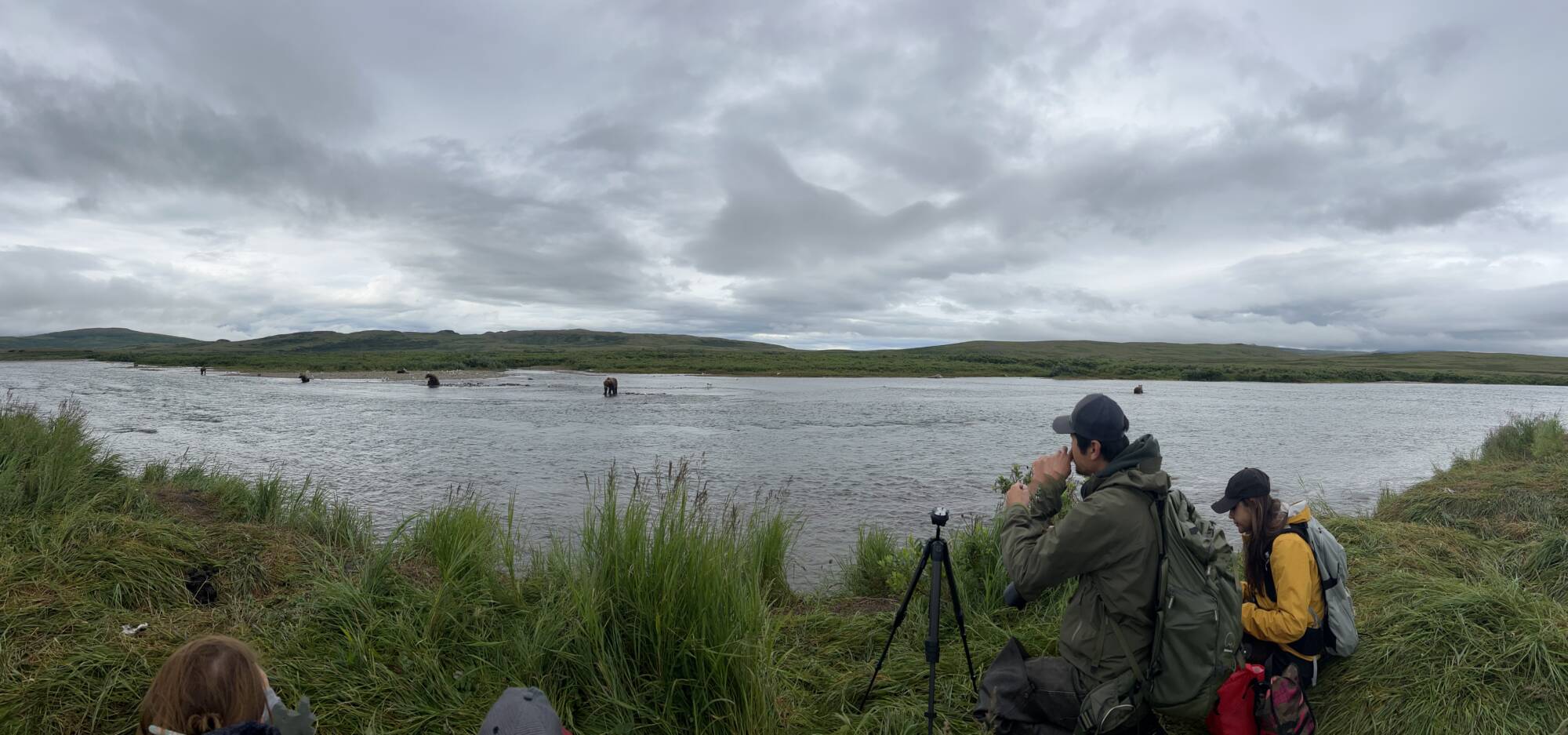
It also changes the quality of the encounter. Wildlife behaves differently when the human presence is calm, controlled, and limited. Bears continue feeding. Eagles stay perched. Moose remain visible instead of melting into cover. For photographers, that means better angles and less jostling. For couples and families, it means the day feels immersive instead of crowded.
There is a practical side, too. Smaller departures often use aircraft and landing methods that open up more remote country, including beaches, lakes, and backcountry terrain beyond the standard sightseeing circuit. That kind of access is where Alaska starts to feel truly untamed.
What premium access really means
Not all wildlife tours are built the same, even when the brochure language sounds similar. Some are designed to move high volumes through well-known stops. Others are built around remote access, experienced pilots, skilled guides, and the freedom to change the plan when conditions demand it.
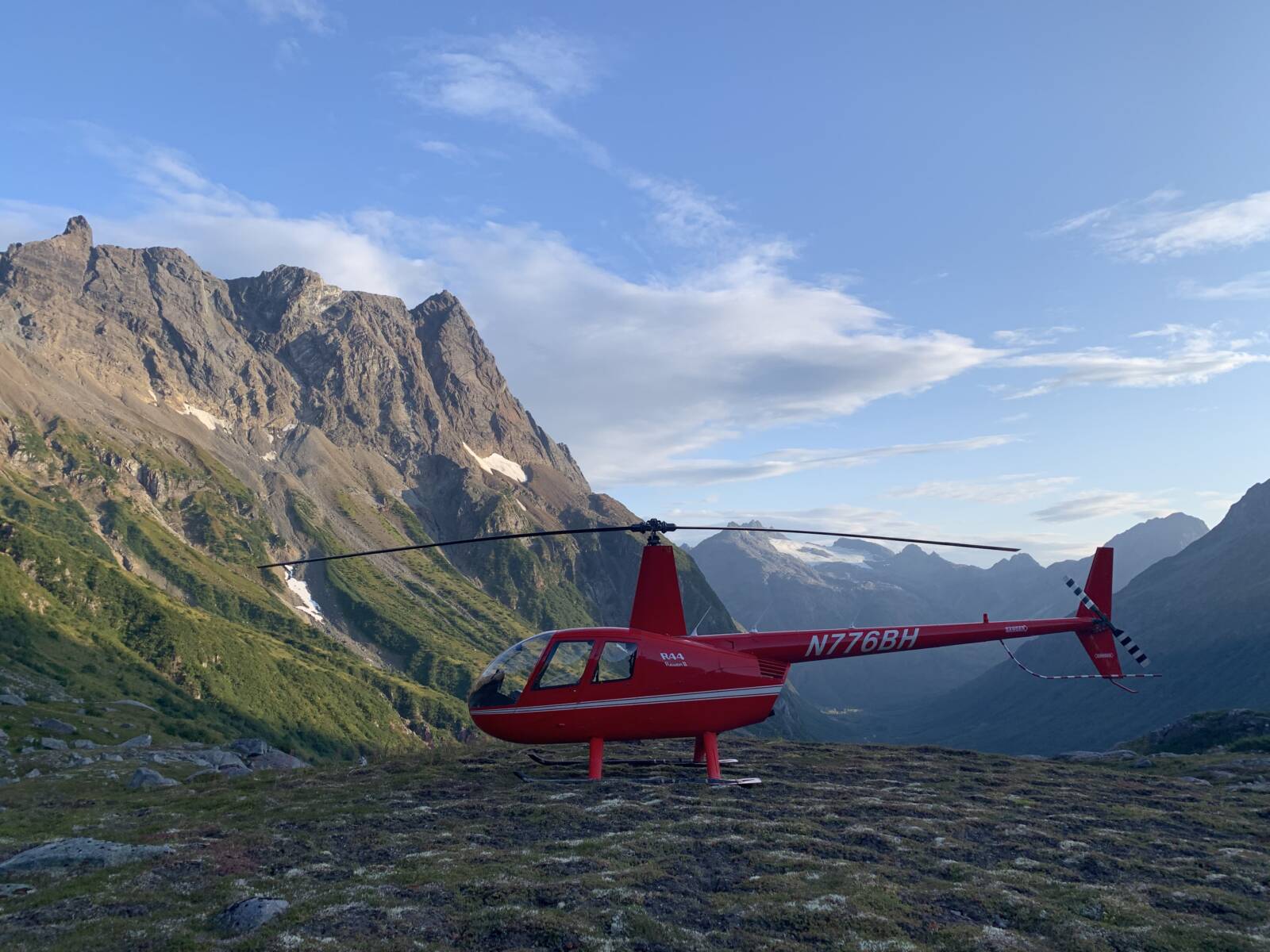
That matters in Southcentral Alaska and the bear-viewing regions beyond Homer. A premium small-group operator can use bush planes, water landings, beach landings, and in some cases helicopters to reach terrain that larger operations simply cannot serve as effectively. Instead of funneling everyone into the same viewpoint, the day can be shaped around where the wildlife is active and where the experience will be strongest.
That does not mean every trip is extreme. It means it is intentional. Guests who pay for a premium wilderness safari are not just buying transportation. They are buying judgment, flexibility, and access earned through years of operating in one of the most dynamic landscapes in the country.
The wildlife people come to Alaska for
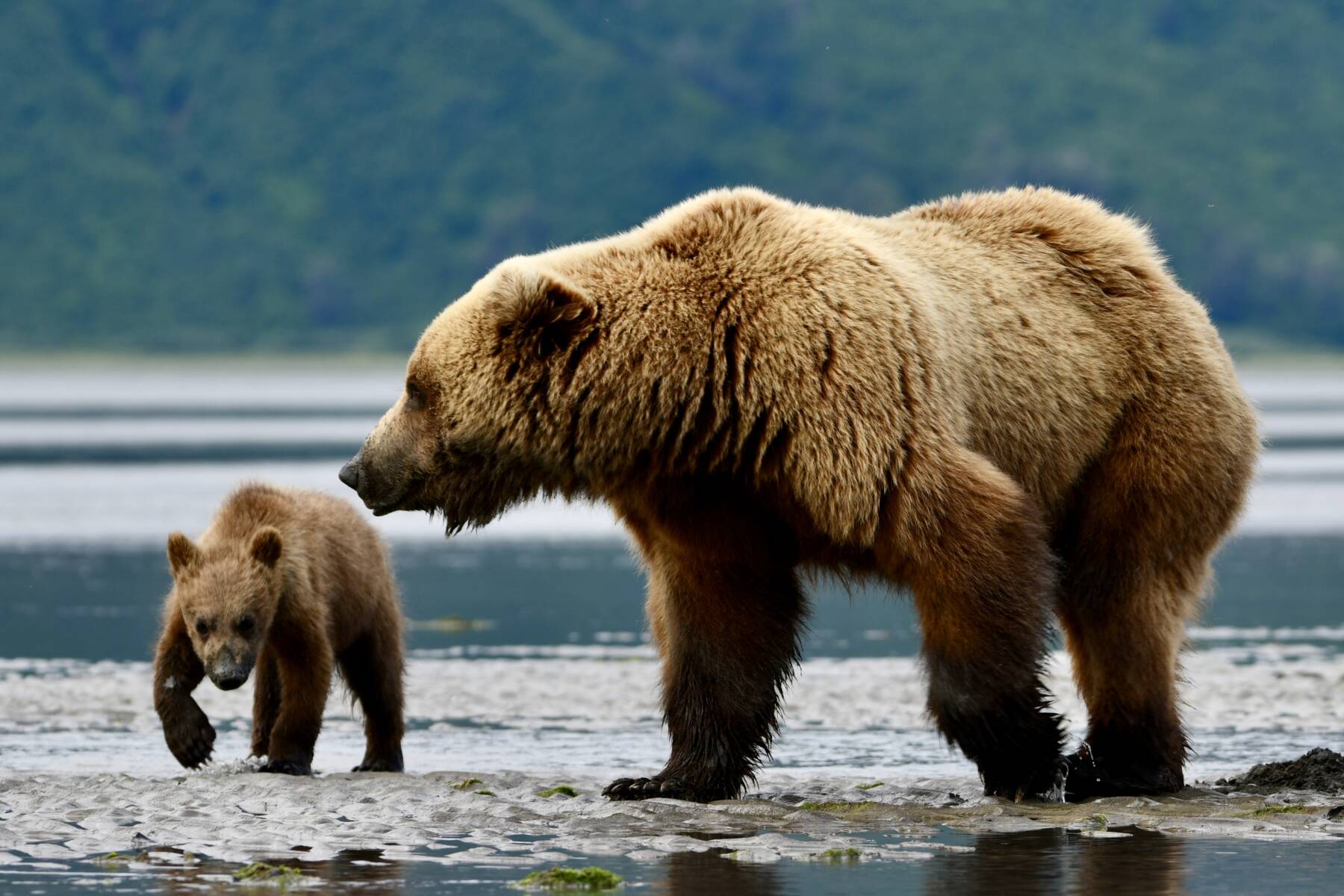
Brown bears are the headline for a reason. Seeing one in the wild, close enough to watch the muscle move across its shoulders and the water drip from its fur, is unforgettable. In places like Katmai and Lake Clark, bear viewing is not a lucky extra. At the right time of year, it is one of the most powerful wildlife experiences in North America.
But the strongest small-group Alaska wildlife tours do more than chase one species. Depending on season and location, guests may also encounter moose, bald eagles, puffins, sea otters, harbor seals, whales, foxes, and caribou. The landscape itself adds another layer – glaciers, active volcanoes, braided rivers, alpine tundra, black-sand beaches, and enormous coastal estuaries that feel untouched.
That combination is what elevates the trip. One hour you are tracking bear movement across a meadow. The next you are flying over ice or landing in a place with no roads, no buildings, and no noise beyond wind and surf. Alaska does not separate scenery from wildlife. The two are inseparable.
What to look for before you book
If you are comparing tours, start with the questions that actually affect the day. How many guests are on the trip? Is the route fixed, or can it change with conditions? What kind of aircraft or transport is used? How much time is spent on the ground versus in transit? Is the guide experienced specifically in bear country and remote-field safety?
A guaranteed wildlife component can also matter, especially for travelers building an Alaska itinerary around a signature experience. If bear viewing is the reason for the trip, confidence matters. The strongest operators know their areas well enough to stand behind the experience, not just the flight.
You should also pay attention to where the tour departs from. Homer is one of the best launch points in Alaska for remote wildlife safaris because it opens direct access across Cook Inlet toward prime bear habitat, glaciers, volcanoes, and coastal wilderness. Starting from the right base can mean less wasted time and stronger odds of a memorable encounter.
Small groups are better for photographers and first-time visitors
Photographers already understand the value of elbow room. A small group means fewer people stepping into the frame, less pressure to shoot fast, and more opportunity to wait for behavior rather than settle for a snapshot. If the light changes or a bear shifts position, the group can often hold longer and let the moment develop.
First-time Alaska visitors benefit just as much. Remote travel can feel intimidating if you are unsure about logistics, weather, or safety. In a small group, questions get answered. Pacing stays relaxed. Guides have time to explain what you are seeing and why the plan may shift. That creates confidence, and confidence lets people enjoy the wild instead of worrying through it.
For families and couples, there is another advantage. The day feels shared rather than managed. You are not trying to keep up with a bus schedule or fit into a generic package. You are in Alaska to witness the wild and capture the moment. Smaller departures give those moments room to happen.
The trade-off: small-group tours are not bargain tours
There is a reason these experiences cost more. Aircraft time, remote logistics, safety planning, specialized guides, and low guest counts all carry real operational weight. Premium tours are not priced like mass-market sightseeing because they are not built like mass-market sightseeing.
That said, value is not just about price. It is about what the day delivers. A cheaper trip that keeps you far from wildlife, hurries every stop, or packs guests shoulder to shoulder can feel expensive in the worst way. A well-run small-group safari can become the defining memory of the entire Alaska trip.
It also helps to be honest about your expectations. If your priority is simply getting into the air for a scenic look, you may not need a top-tier wildlife-focused experience. But if you want meaningful time in the field, expert interpretation, and access beyond the crowded standard route, this is where spending more usually pays off.
Why experience and safety matter more in remote Alaska
The wild country that makes Alaska unforgettable also leaves no room for casual operations. Weather can shift fast. Tides matter. Wildlife behavior matters. Aircraft decisions matter. The guide and pilot are not extras to the experience – they are the foundation of it.
That is why operator history matters. Experience is not just a branding line. It shows up in route selection, landing decisions, guest briefings, wildlife protocols, and the ability to pivot without losing the day. A serious safety record should not be treated as a bonus. It is part of what makes remote adventure premium in the first place.
This is where a company like Alaska Ultimate Safaris has real weight. Deep local knowledge, small-group focus, remote access, and confidence in bear viewing are not abstract promises when they are backed by decades in the field.
Who gets the most from this kind of tour
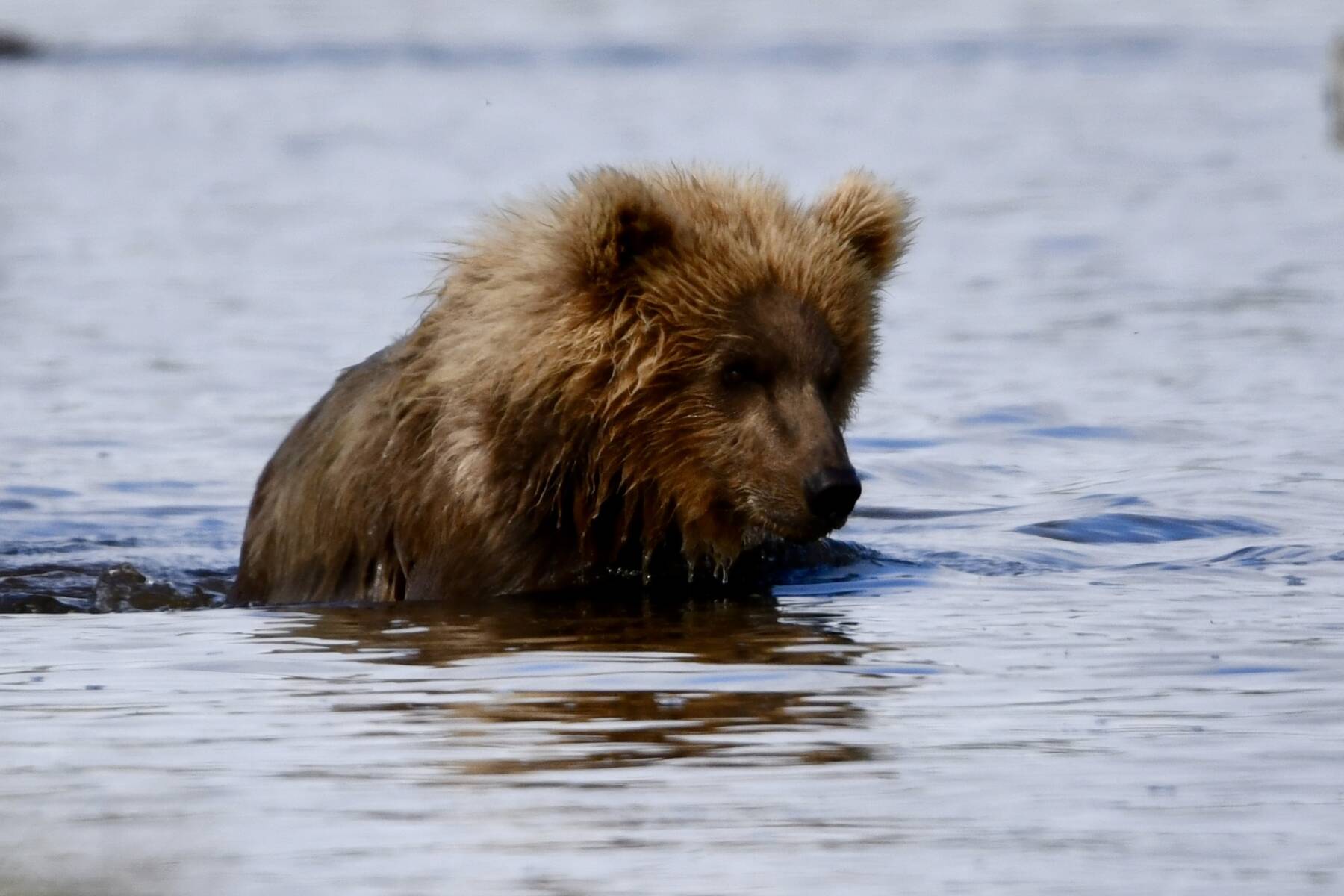
These trips are a strong fit for travelers who would rather have one extraordinary day than three average ones. They appeal to people who want Alaska at full scale – not just seen through a window, but experienced on the ground in places that feel inaccessible to almost everyone else.
They are especially compelling for bucket-list travelers, wildlife lovers, photographers, and couples marking a major occasion. They also make sense for families with older children or multigenerational groups who want a shared experience that feels rare, safe, and worth talking about for years.
If you dislike crowds, generic itineraries, and staged tourism, small-group travel is usually the right lane. If you want certainty at the lowest possible price, it may not be. Alaska rewards travelers who choose depth over volume.
The best trips leave you with more than photos. They leave you with a clear memory of standing in raw country, watching wild animals behave as they always have, and feeling for a few hours like the modern world has stepped out of the way. That is what small-group wildlife travel is really buying you – not just a tour, but access to an Alaska that still feels gloriously untamed.
Plan your bear safari
Ready for the next step?
Check live dates, talk with our Homer team, or ask which bear-viewing destination fits your travel window best.