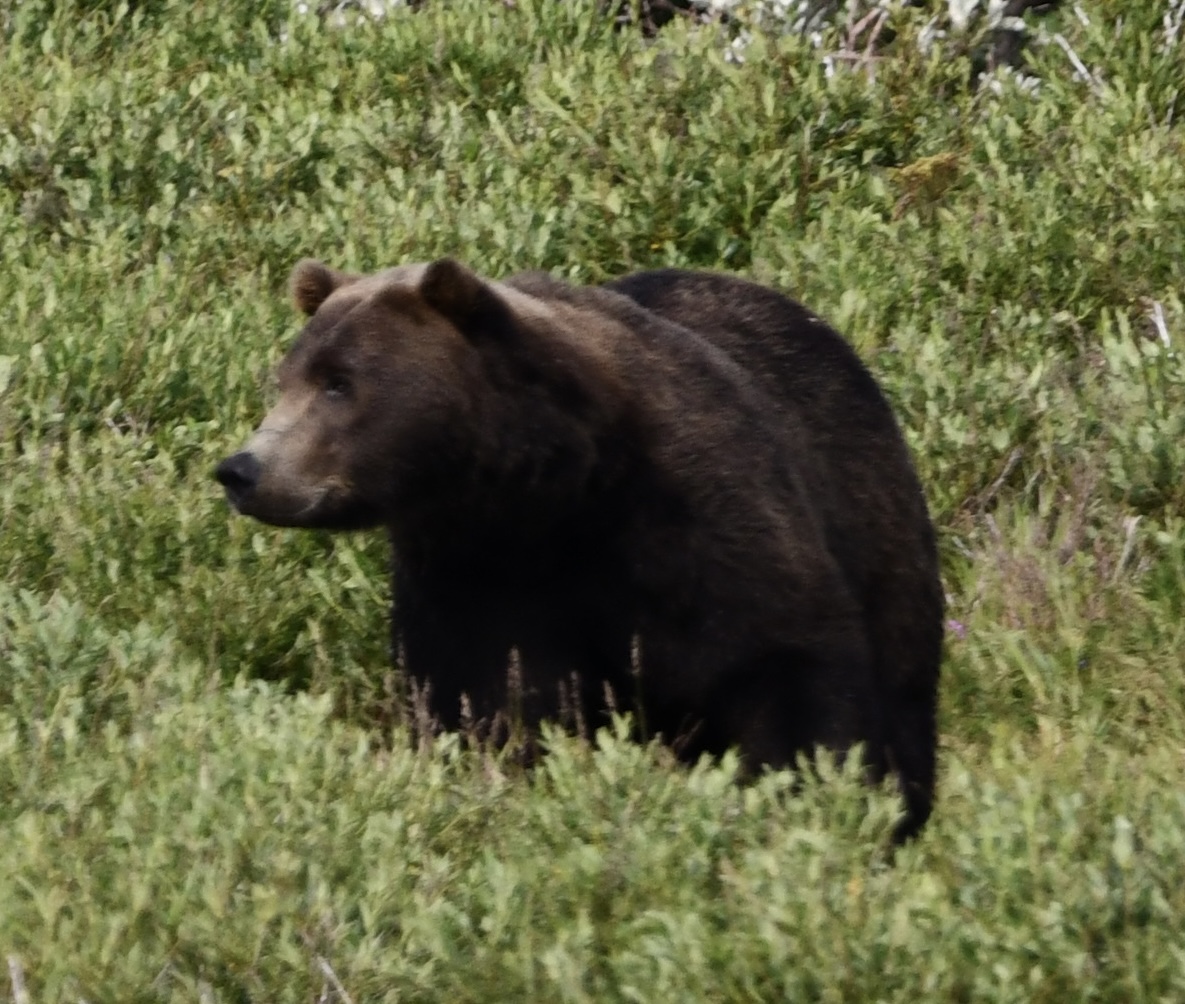
The first time you watch a giant brown bear step out of the sedge and into the open, the scale of Katmai hits all at once. This Katmai bear viewing guide is built for travelers who want more than a quick look from a crowded platform – it is for people who want the real thing: remote country, expert planning, and the kind of bear encounter that stays with you long after Alaska is behind you.
Why Katmai still sets the standard
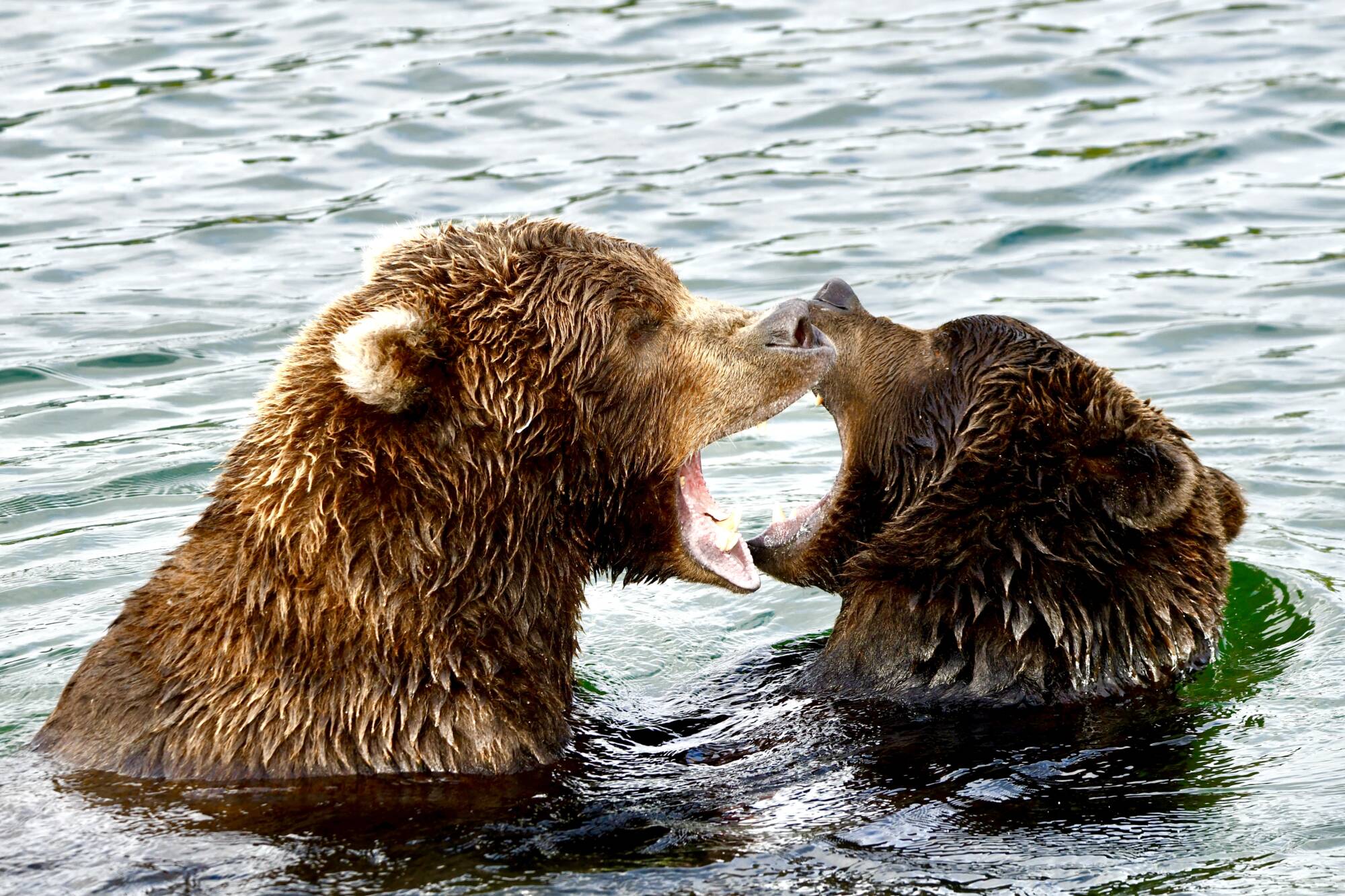
Katmai National Park is one of the most famous bear viewing destinations in the world for a reason. The habitat is immense, the salmon runs are legendary, and the concentration of brown bears can be extraordinary at the right time of year. If your goal is to see wild bears behaving like wild bears – fishing, sparring, grazing, napping, and moving through big coastal country – few places compare.
That said, not every Katmai experience feels the same. Some visitors picture solitude and end up in the busiest corridor of the park. Others expect an easy sightseeing outing and are surprised by weather delays, changing conditions, and the realities of bush travel. A smart plan makes all the difference.
Katmai bear viewing guide: choosing the right experience
The biggest decision is not whether to go. It is how you want to see Katmai.
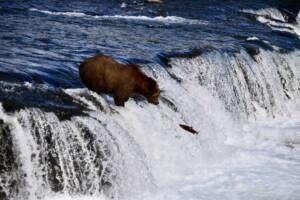
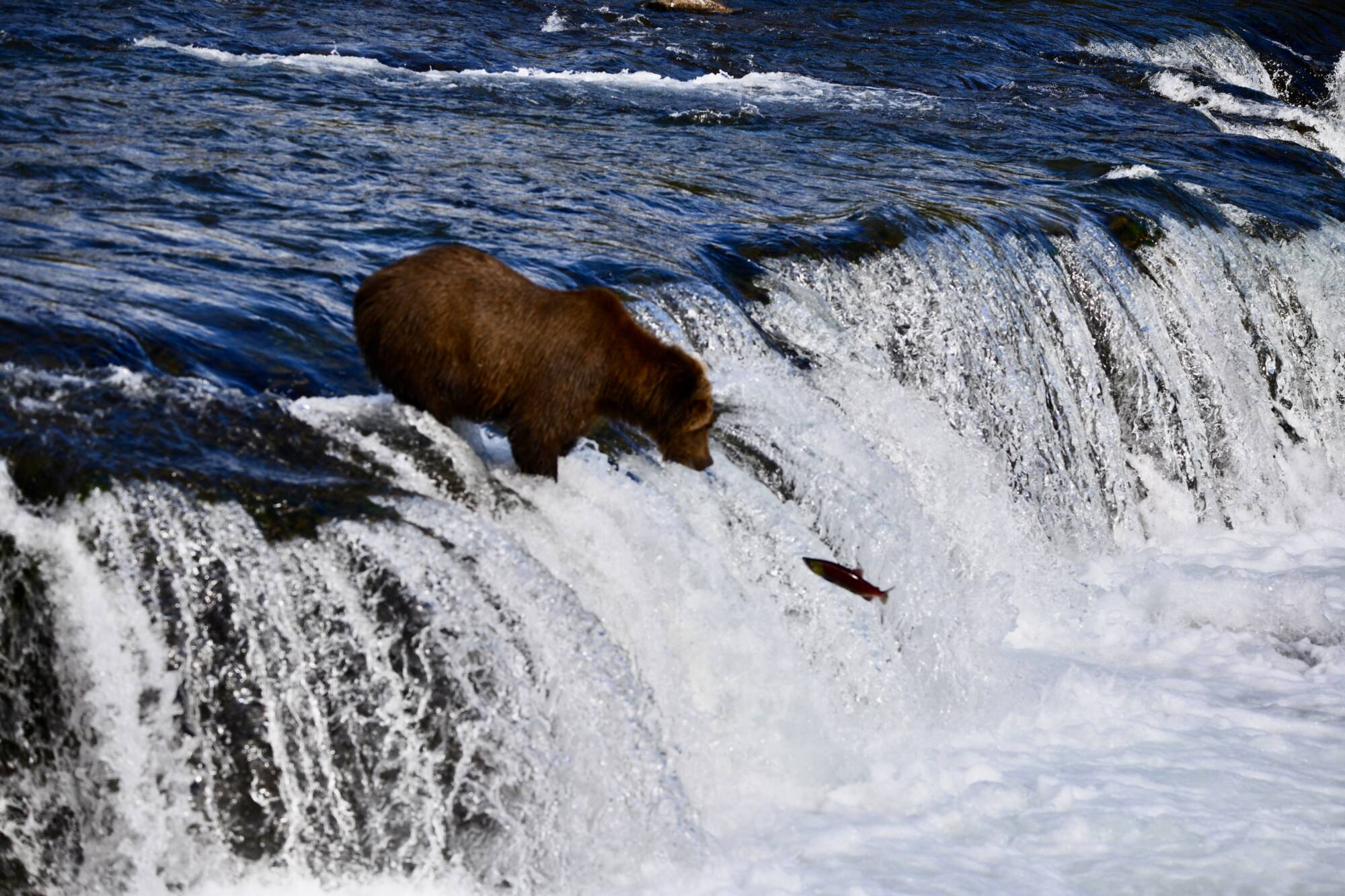
Many travelers know Brooks Falls because of the famous images of bears catching salmon at the waterfall. It is iconic, and when the run is on, it can deliver dramatic viewing. It is also the best-known location, which means it often comes with more people, tighter logistics, and less flexibility. If checking off a famous spot matters most, that may be the right fit.
But Katmai is much bigger than one viewing platform. Remote coastal meadows, tidal flats, river mouths, and private access areas can offer a very different kind of day – more space, smaller groups, and a stronger sense that you are standing inside wild Alaska rather than watching it from the edge. For many travelers, especially photographers, couples, and families trying to avoid the bus-tour feel, that difference is everything.
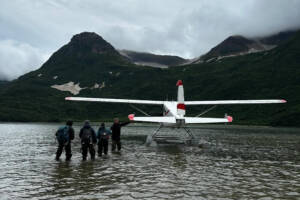
A premium fly-out operator can change the entire experience. Access by bush plane, beach landing, or even helicopter-supported routing opens country that standard sightseeing trips simply do not reach. It also creates flexibility. In bear country, flexibility matters because weather shifts, tides matter, and bear movement changes. The best days are often the result of adapting, not forcing a fixed script.
When to go for the best bear viewing
Timing depends on what kind of bear behavior you want to see.
Early summer often brings lush green feeding areas and active bears focused on grazing. This can be a strong window for travelers who want beautiful landscape, fewer peak-season crowds in some areas, and excellent chances to watch bears spread across sedge flats and coastal habitat.
Mid to late summer is when salmon become the main event in many parts of Katmai. This is the classic period for fishing behavior, high-energy competition, and the dramatic scenes most people associate with the park. It is also when demand rises. If you are traveling in this window, booking early is not optional.
Fall can be outstanding for people who want rich colors, heavier bears, and a slightly different rhythm in the landscape. Conditions become more variable, and not every day is equal, but the payoff can be huge.
The trade-off is simple. Peak fish action tends to attract more visitors. Earlier and later windows can feel more spacious, but bear behavior may look different from the famous waterfall shots. Neither is wrong. It depends on what kind of moment you want to bring home.
Getting there is part of the adventure
Katmai is not a drive-up destination. Reaching prime bear country usually means flying from Southcentral Alaska, often from Homer, Kodiak, or Anchorage-area connections depending on your itinerary. That is part of the magic, but it is also where expectations need to be grounded in reality.
Bush flying in Alaska is shaped by weather, wind, visibility, tides, and landing conditions. Good operators build around those variables with strong safety standards and real local experience, not wishful thinking. If a trip feels too cheap, too rigid, or too packed with people, there is usually a reason.
This is one of the places where paying for quality access matters. Small groups
move better, land faster, and spend less of the day waiting on other people. Experienced pilots and guides know how to read conditions, shift locations, and protect both guest safety and the quality of the encounter. That is not luxury for luxury’s sake. In this environment, it is the difference between a generic outing and a true wilderness safari.
What a great day in Katmai actually feels like
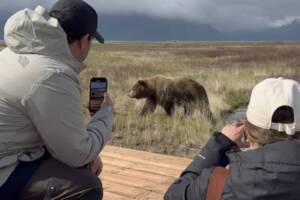
A strong Katmai day is not rushed. You hear the plane fade, the coastline settle, and then the country starts to reveal itself. Tracks in the sand. Ravens working the tideline. A bear far off in the grass that suddenly becomes very close once you understand how large these animals really are.
The best guides do more than point and talk. They read the bears, the terrain, and your group. They know when to wait, when to move, and when to give a moment the silence it deserves. That is how you end up with encounters that feel intimate without ever crossing the line into unsafe or intrusive.
You may spend part of the day walking beaches, glassing meadows, or holding position while a sow and cubs work across a distant flat. Or you might watch a massive boar own a stretch of riverbank while younger bears circle the edges. The point is not to force a checklist. The point is to be in country where bears live on their terms.
Safety is not the boring part
In bear country, safety is what allows everything else to happen.
The right operator treats safety as a discipline, not a slogan. That means conservative aviation decisions, experienced guides, careful guest briefing, and a field approach built around respect for wildlife movement and behavior. It also means setting honest expectations. No guide can control bears or weather. A good one knows how to work with both.
Travelers often worry that safety protocols will make the trip feel restricted. In practice, the opposite is true. When the logistics are sound and the guide team knows the terrain, guests relax. They stop second-guessing every step and start paying attention to what is unfolding in front of them.
If guaranteed sightings are part of the trip, read what that promise actually means and who is making it. A serious guarantee from an experienced operator shows confidence in route planning, habitat knowledge, and operational consistency. It is not just a marketing line if the team has the track record to back it up.
What to wear and bring without overthinking it
Katmai rewards travelers who come prepared but not overloaded. Waterproof outer layers matter. Good boots matter. Warm layers matter even in summer because wind, rain, and coastal weather can change the feel of the day quickly.
Bring a camera if photography matters to you, but do not let gear run the experience. A long lens is useful, though many guests are surprised by how close they can feel to the action even without filling the frame. Binoculars help. So does a dry bag. Keep your pack practical and your clothing quiet, comfortable, and built for movement.
What you do not need is a mountain of gadgets. You are not trying to outsmart Alaska. You are trying to be ready for it.
Crowds, exclusivity, and what most travelers get wrong
One of the most common mistakes in planning a bear trip is assuming that all Katmai tours offer the same kind of access. They do not.
Some trips are built around volume. They move more people through the same locations on a tighter schedule because that model is easier to scale. You may still see bears, but the feel can be very different from what people imagine when they picture remote Alaska.
Others are designed around fewer guests, flexible routing, and entry to less-traveled areas. That model costs more, but it buys something meaningful: time, space, and a deeper sense of being out where the land still calls the shots. For a lot of travelers, that is the whole reason to come.
Alaska Ultimate Safaris has built its reputation around that second model – small groups, serious local experience, premium access, and bear viewing that feels wild instead of staged. If that is what you are after, the operator matters almost as much as the destination.
Katmai bear viewing guide: is it worth it?
If you want a simple sightseeing day, there are easier ways to spend time in Alaska. Katmai asks for planning, budget, and a little humility around weather and wilderness.
But if your idea of a great day is stepping onto a remote beach, knowing bears are somewhere beyond the grass, and trusting an expert team to take you there well, then yes – it is worth it. More than worth it. It is one of the rare travel experiences that still feels bigger than the photo you came to get.
Come ready for the elements, choose access over convenience, and give yourself room for the day to unfold. The best bear encounter is usually the one you could never have scripted.