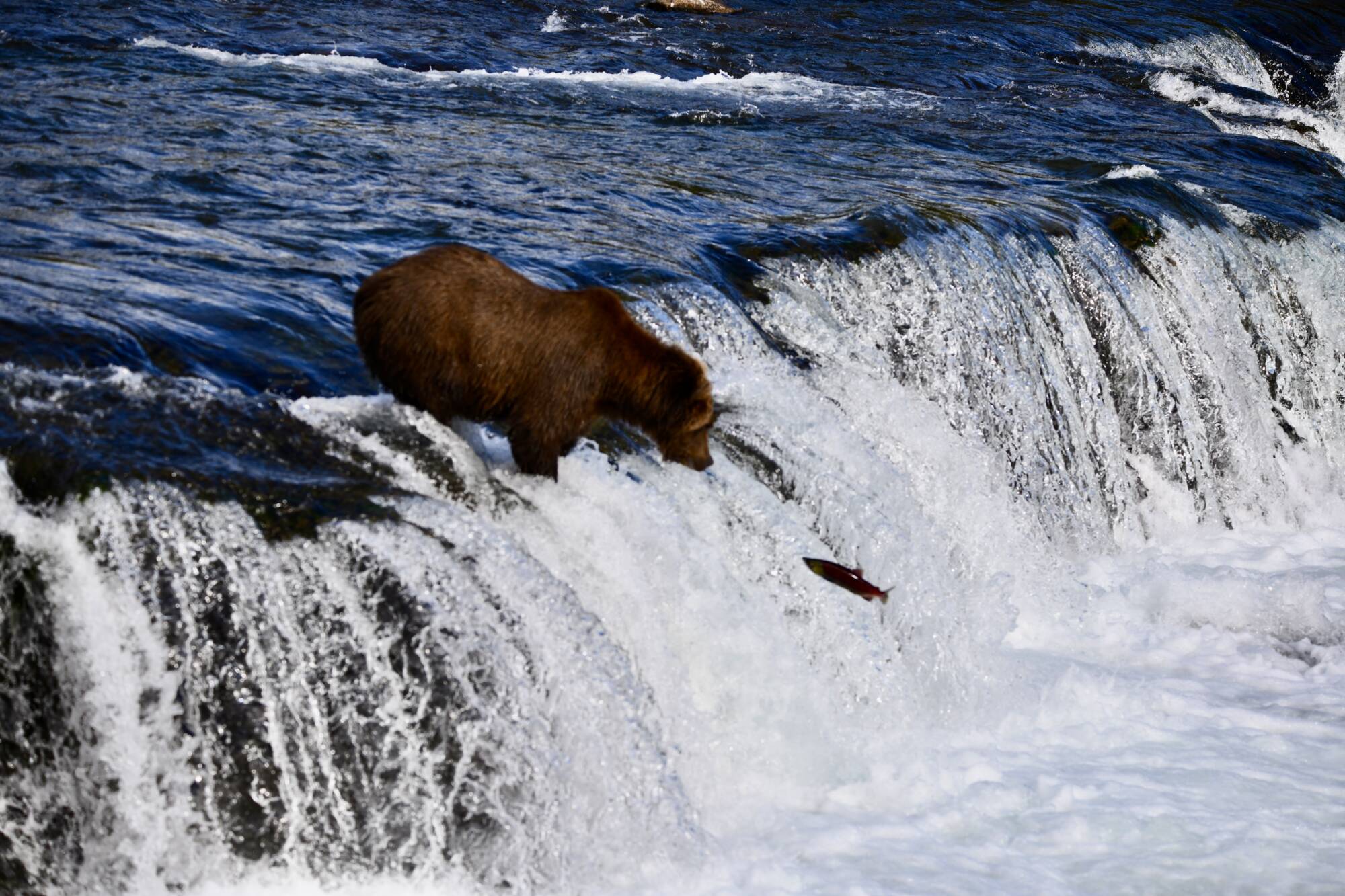
If you have ever seen a photo of a massive brown bear standing in a waterfall with a salmon midair in front of its jaws, you were probably looking at Brooks Falls. It is the image that sells Alaska to the world – raw, dramatic, and absolutely real. But the famous shot leaves out one detail serious travelers should care about: what it actually feels like to be there.
Brooks Falls earns its reputation. In peak salmon season, few places on earth offer a better chance to watch brown bears fish in the open. You can see dominant boars hold the prime positions near the lip of the falls, younger bears wait in the lower current for mistakes, and cubs stick close to the edges where the risk is lower. It is one of the most concentrated wildlife spectacles in North America.
It is also one of the best-known. That matters.
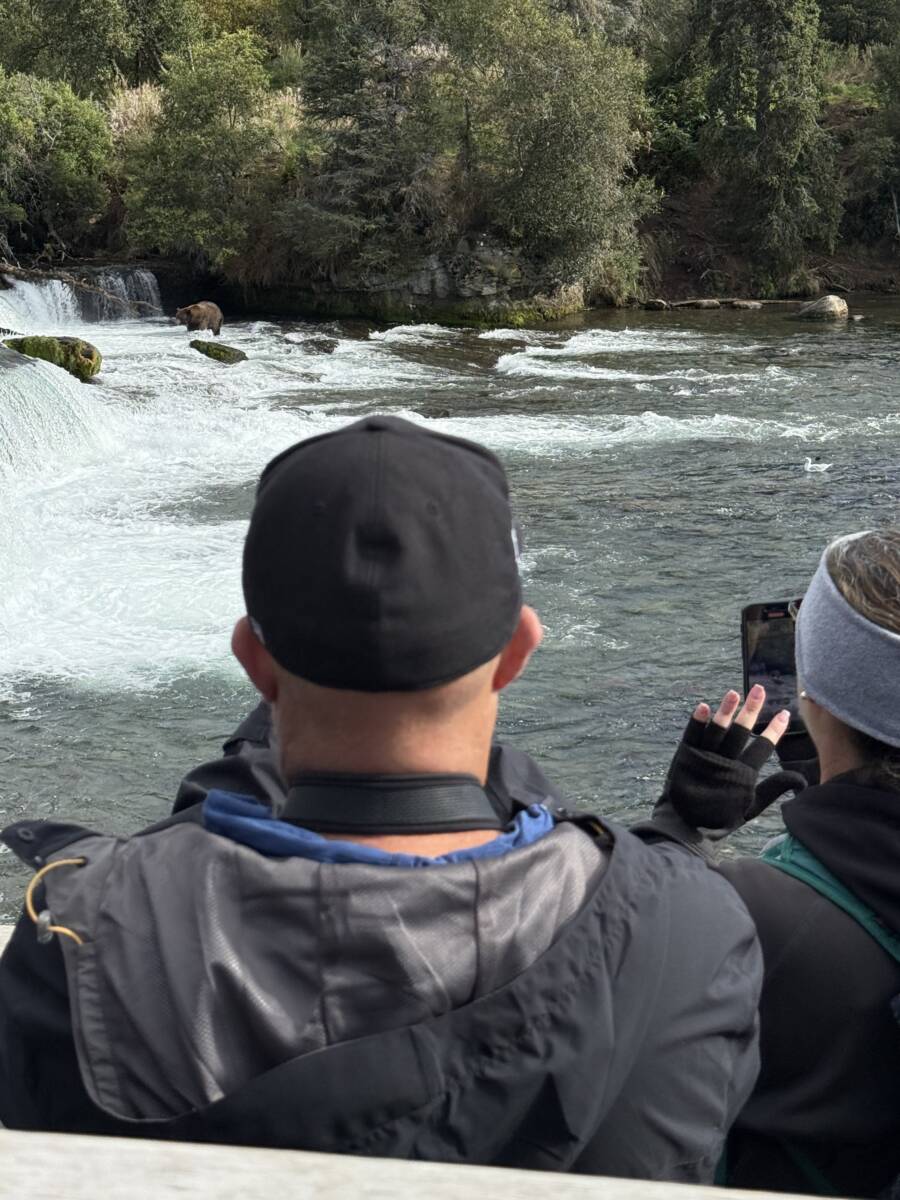
Why Brooks Falls became so famous
Brooks Falls sits in Katmai National Park and Preserve, a place built for superlatives. The park holds one of the world’s highest concentrations of protected brown bears, and the salmon runs create a seasonal feast that pulls them into view. Brooks Camp became famous because it offers a relatively predictable place to watch that drama unfold.
Predictability is rare in wild Alaska. Bears are wild. Salmon timing shifts. Weather changes the plan fast. Brooks Falls stands out because conditions often line up in a way that gives visitors a real shot at seeing the classic bear-and-salmon moment. For photographers, wildlife lovers, and first-time Alaska travelers, that reliability is a big part of the appeal.
There is also infrastructure there that makes access easier than many remote bear-viewing areas. Viewing platforms, managed visitor flow, and ranger oversight make the experience more approachable than truly backcountry bear country. That is a strength, especially for travelers who want the spectacle without committing to a rougher wilderness expedition.
What the experience at Brooks Falls is really like
The honest answer is that it depends on what kind of Alaska trip you want.
If your goal is to see iconic bear behavior at a world-famous location, Brooks Falls can absolutely deliver. Watching a bear lock onto a salmon lane and explode upward through whitewater is the kind of moment that stays with you. The power is real. So is the sound – rushing water, gulls overhead, camera shutters clicking, and everyone going quiet at the exact second a fish jumps.
If your goal is solitude, Brooks Falls may feel more managed than imagined. You are not alone out there discovering some hidden corner of Katmai. You are sharing a famous wildlife stage with other travelers who came for the same reason you did. The park works hard to protect both bears and people, but this is not a secret spot, and it does not pretend to be.
That trade-off is the entire story. You get access, strong odds, and an iconic setting. In exchange, you accept structure, timing limits, and the reality that many other people know this place is special too.
Best time to visit Brooks Falls
Most travelers think of July first, and for good reason. That is typically when the strongest sockeye salmon runs push through the falls and bears gather in high numbers to feed. It is the season most closely tied to the classic leaping-salmon photos.
September has its own appeal. Fewer fish are jumping the falls in the same dramatic way, but bears often remain active in the area, feeding heavily before winter. The light can be different, the mood can be different, and for some visitors the experience feels less frantic than peak midsummer.
No guide worth trusting will promise the exact same show every day. Wildlife does not work on command. A great Brooks Falls day can happen in shifting weather and imperfect light. A heavily anticipated day can be quieter than expected. That is part of what keeps the place honest.
The biggest challenge with Brooks Falls
Crowds are the obvious factor, but logistics are the deeper issue.
Getting to Brooks Falls is not like adding a roadside stop to a vacation itinerary. It takes real planning, usually a combination of flights, lodge or camp coordination, weather flexibility, and a willingness to adapt if conditions change. In Alaska, the route is often part of the experience, and it can also be the part that unravels expectations for travelers who assume everything will move on a fixed schedule.
Even once you arrive, access to viewing areas can be managed in a way that limits how long you spend in prime spots. That is reasonable from a safety and resource-protection standpoint, but it changes the rhythm of the day. If you imagined endless personal space with bears performing on cue, Brooks Falls can feel tighter and more structured than expected.
For some travelers, that is not a drawback. It is the price of visiting one of the planet’s most celebrated wildlife locations. For others, especially people seeking a more exclusive Alaska experience, it can be a signal to look beyond the best-known name.
Brooks Falls vs remote bear viewing
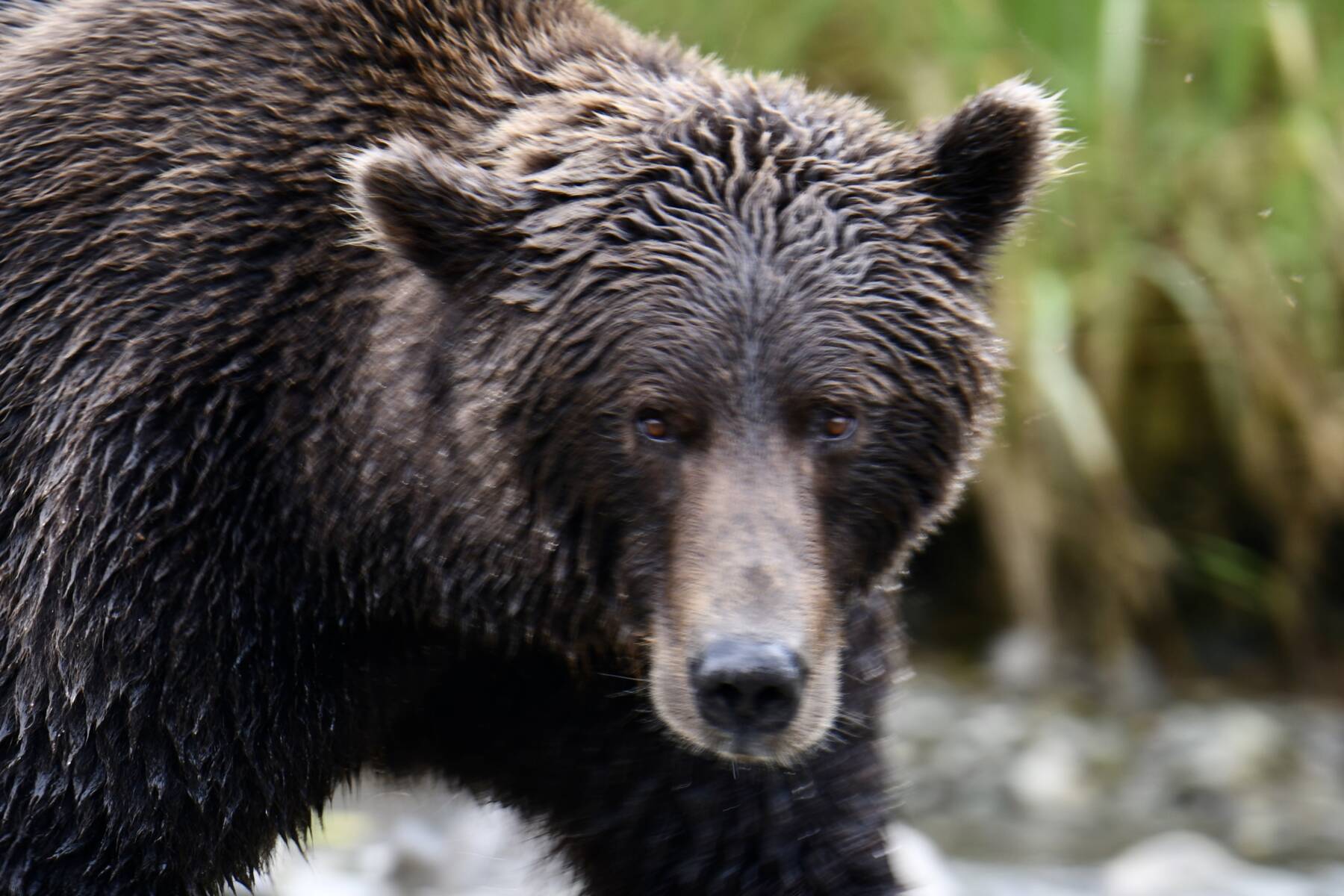
This is where expectations matter more than hype.
Brooks Falls is iconic because it concentrates the action. You come for a specific bear behavior in a specific place, and when the timing is right, it is hard to beat. But Alaska is much bigger than its most famous waterfall.
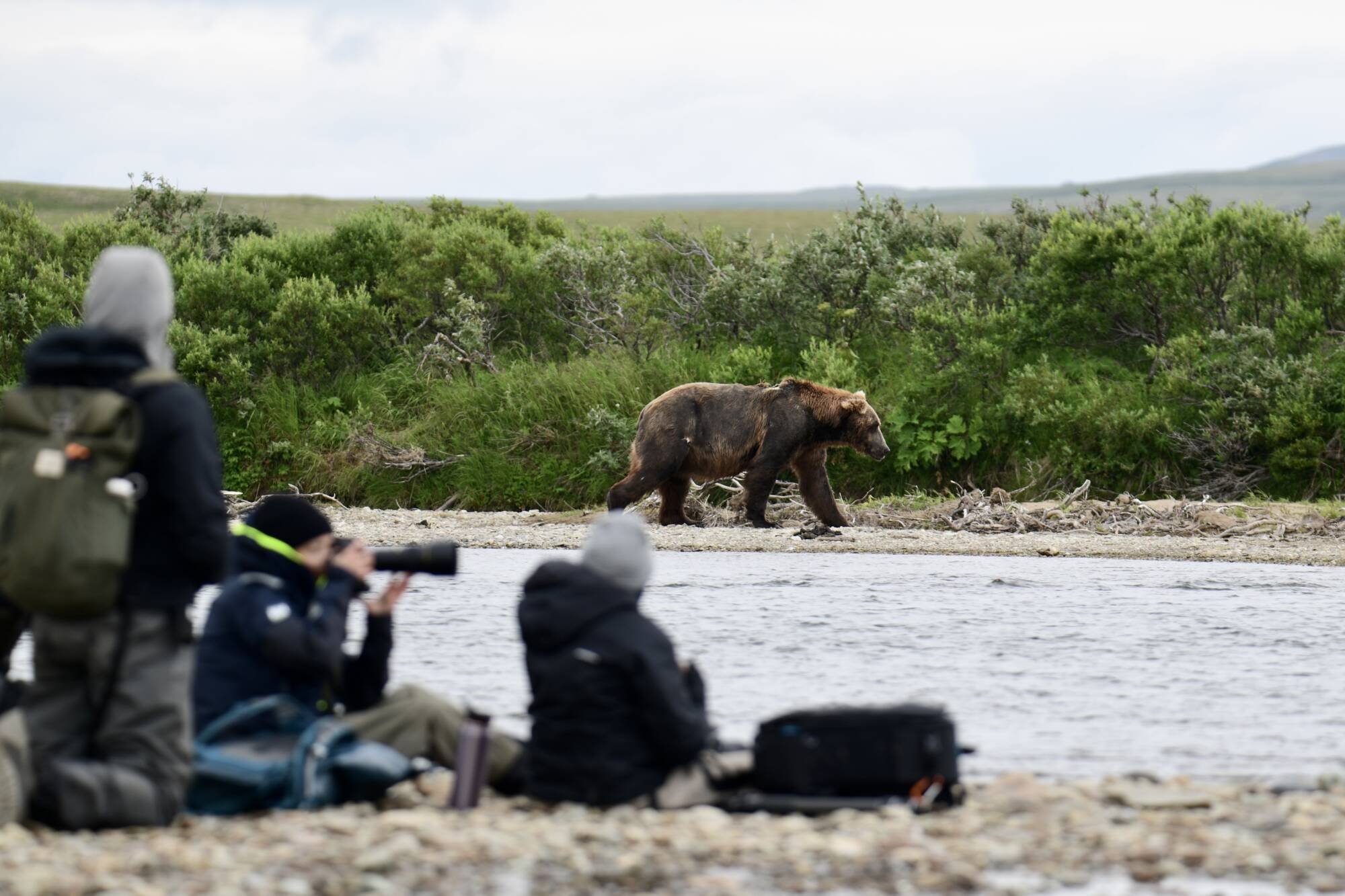
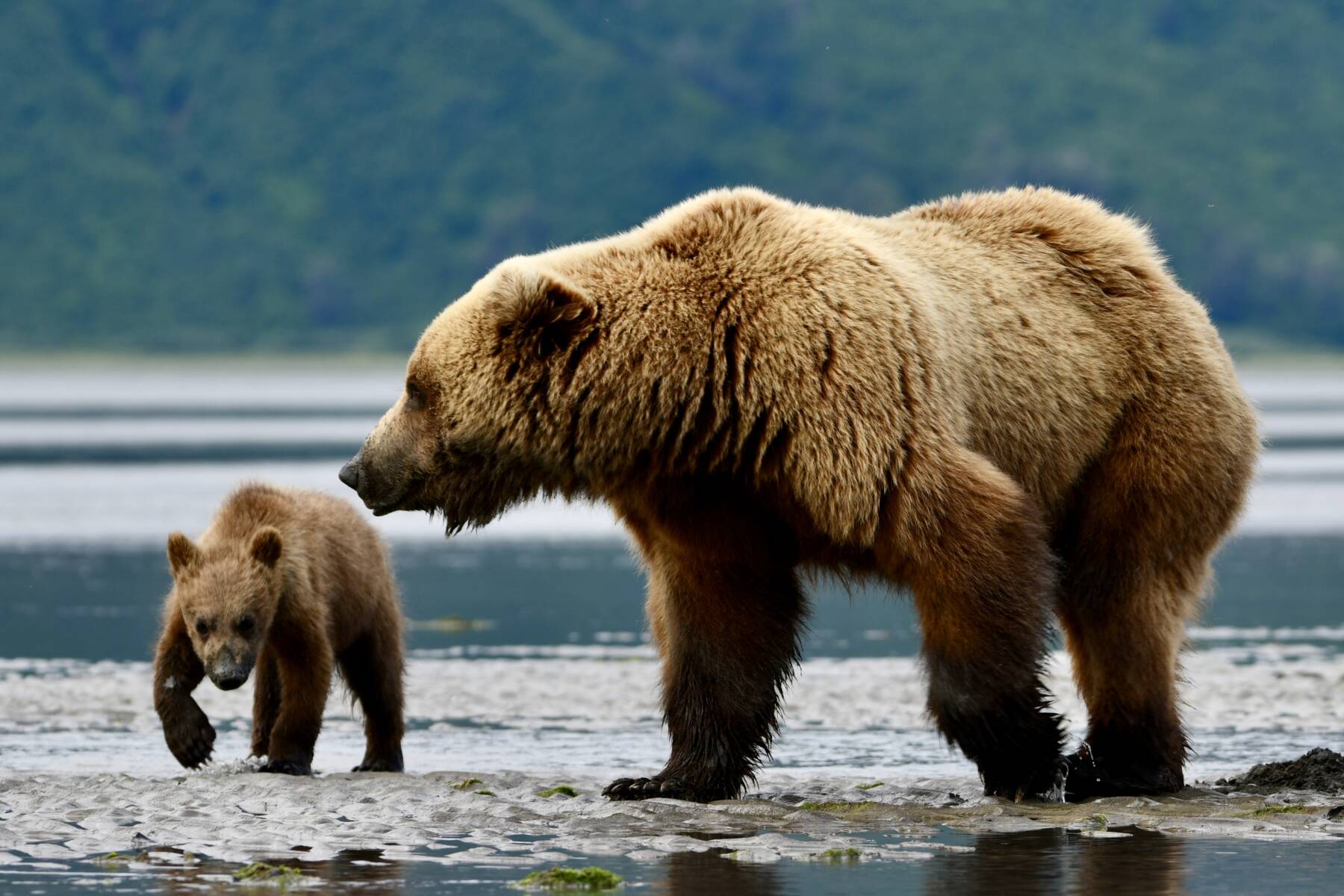
Remote bear-viewing areas in Katmai, Lake Clark, and private-access regions can offer something Brooks Falls cannot always provide: room to breathe. In those places, the encounter often feels less like watching a famous event and more like stepping into a living landscape. Bears may be grazing sedge flats, roaming tidal estuaries, digging for clams, crossing streams, or moving along beaches with almost no one else around.
That does not make one experience better for everyone. It makes them different.
If you want the postcard image, Brooks Falls belongs on your radar. If you want flexibility, fewer people, and a stronger sense of frontier access, a fly-out safari to less trafficked terrain may suit you better. That is one reason experienced operators in Homer, including Alaska Ultimate Safaris, build trips around conditions, bear movement, and guest goals rather than forcing every traveler into the same famous location.
Who should put Brooks Falls on the list
Brooks Falls makes sense for travelers who have dreamed about that exact scene for years. It is a strong fit for first-time Alaska visitors, dedicated wildlife photographers, and anyone who wants to stand at one of the great stages of North American nature.
It is also a smart choice for people who do not mind a more organized experience if it increases their chances of seeing bear action up close. The platforms, protocols, and predictability can take some of the guesswork out of a trip that otherwise feels intimidating.
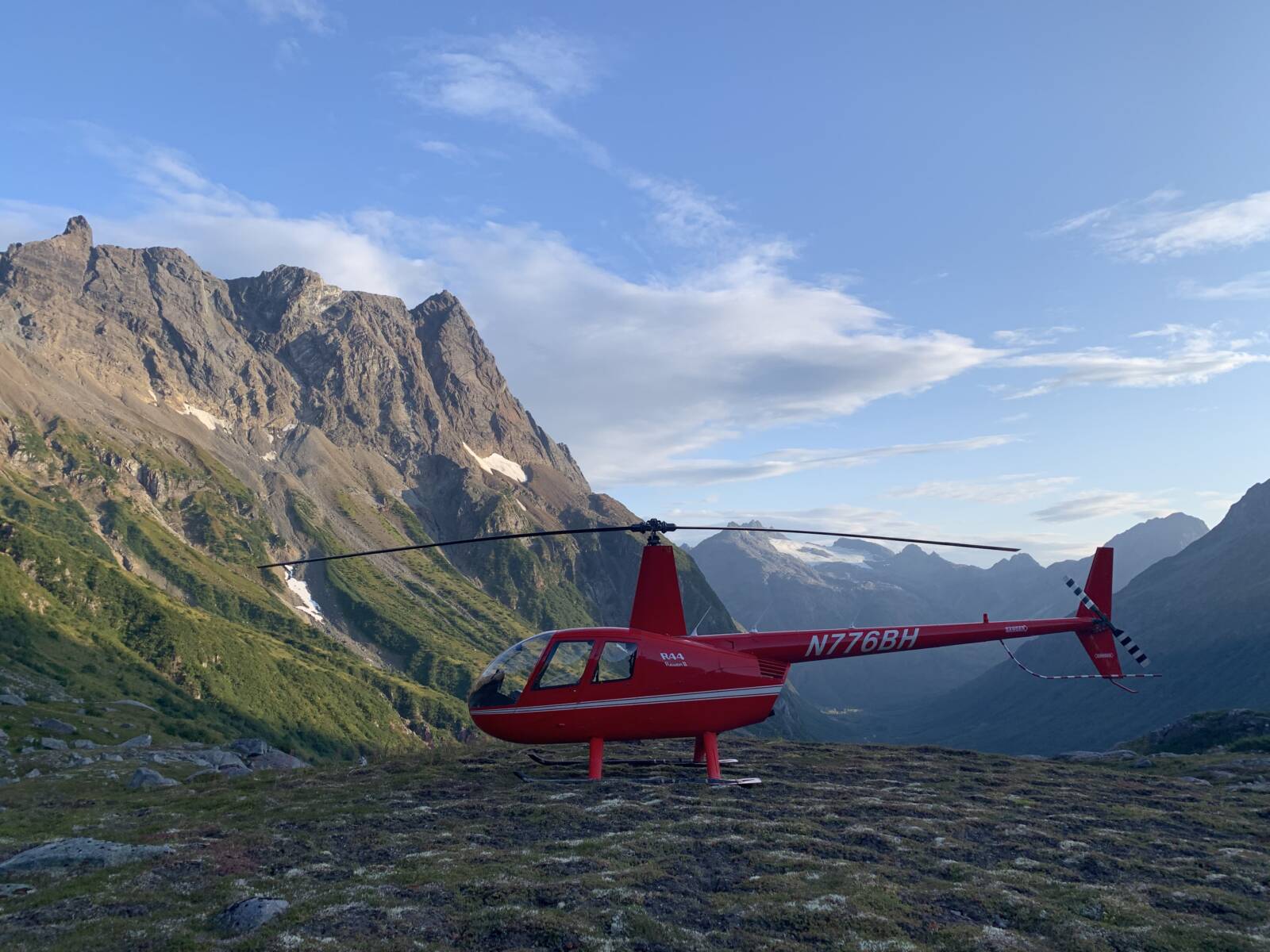
It may not be the best fit for travelers who want their Alaska to feel quieter, looser, and farther from the beaten path. If your ideal day involves a bush plane landing on a remote beach, a small group, and bears moving through open country without a crowd framing the moment, Brooks Falls may not be the experience that matches the dream.
Is Brooks Falls worth it?
Yes – if you understand what you are buying.
You are buying access to one of the most famous wildlife spectacles in Alaska, and maybe anywhere. You are buying a real chance to watch brown bears fish in a place that has shaped how the world imagines wild Alaska. You are not buying privacy, and you are not buying certainty beyond the fact that nature sets the terms.
The best Alaska trips start when expectations get precise. Brooks Falls is worth the hype for travelers who want the icon and are willing to share it. If what you really want is the feeling of being out beyond the usual routes, where the aircraft lifts off and the busy world drops away, then the right trip may begin somewhere less famous and feel even bigger once you get there.
Choose the version of Alaska you actually want, not just the one you have already seen in a photograph.
Plan your bear safari
Ready for the next step?
Check live dates, talk with our Homer team, or ask which bear-viewing destination fits your travel window best.