Alaska Glacier Landing Tour: What to Expect
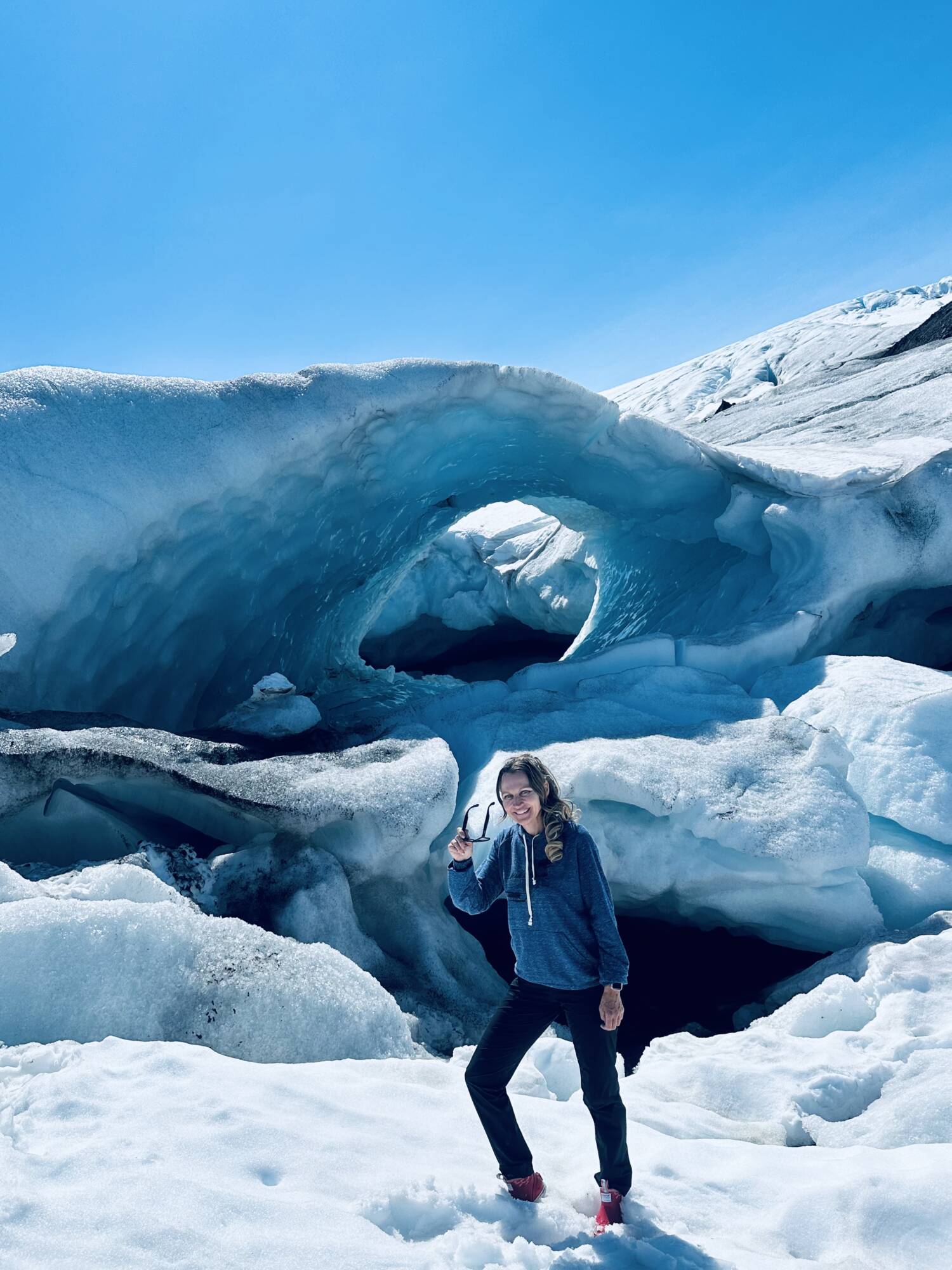
The moment the aircraft drops below the clouds and the icefield comes into view, you understand why an Alaska glacier landing tour sits so high on so many bucket lists. This is not a distant scenic pass from a bus window or a quick overlook with fifty other people. It is the real thing, aircraft, ice, weather, mountain light, and the rare chance to put your boots down in terrain that still feels untamed.
That first impression matters, but the right tour is about more than a dramatic landing. It is about access, timing, safety, and whether the day feels personal or processed. In Alaska, those details make the difference between a good excursion and the kind of experience you talk about for years.
Why an Alaska glacier landing tour stands out
A glacier flight on its own can be spectacular. A landing changes the experience entirely. Once you step out, the scale resets. Crevasses look sharper, the silence feels heavier, and the cold air off the ice hits differently than it does through a plane window.
That is why glacier landings appeal to travelers who want more than sightseeing. Couples planning a once-in-a-lifetime Alaska trip, families chasing a true frontier memory, photographers hunting clean alpine light, and adventure travelers who avoid crowded excursions all tend to want the same thing – direct contact with the landscape.
A landing also creates room for something rare in tourism: stillness. There is no city noise, no paved path, and no staged backdrop. Just raw ice and mountains. For many guests, that is the moment Alaska stops feeling like a destination and starts feeling wild.
What the day actually feels like
Most people imagine the landing first, but the experience starts earlier. The aircraft, the route, and the weather all shape the day. In Southcentral Alaska, conditions can shift fast, which is why experienced operators do not run tours like assembly lines. The best days are flexible. Routes may change to find better visibility, smoother flying conditions, or a more rewarding landing zone.
From the air, you may cross braided rivers, coastal inlets, volcanic country, and heavily glaciated mountain terrain before touching down. That contrast is part of the thrill. Alaska is not one landscape. It is many landscapes stacked together, and a well-run flight lets you feel that transition in real time.
Then comes the landing itself. On a strong trip, it feels controlled, calm, and deliberate. Good pilots do not make a show of it. They make it look routine because routine is what experience looks like. Once on the ice, your guide or pilot helps orient the group, points out safe walking areas, and gives you time to take it in without rushing every minute.
A premium trip usually feels unhurried even when the logistics are precise. That balance matters. You want professionalism behind the scenes and freedom in the moment.
Not all glacier landing tours are the same
This is where travelers often get tripped up. Two tours may sound similar online, but the actual experience can be very different.
Some glacier excursions are built around high volume. They move a lot of guests quickly, follow rigid routes, and deliver a polished but standardized version of Alaska. That model works for some travelers. If you only want a short highlight and do not mind crowds, it may be enough.
But if you are spending serious money and want something that feels exclusive, the differences start to matter. Group size affects everything from noise level to photo opportunities. Aircraft type changes the feel of the flight. Route flexibility influences whether your operator can adapt to conditions or simply cancel. Local experience matters because glacier terrain, mountain weather, and remote operations do not reward guesswork.
An operator with deep backcountry time knows when to pivot, when to wait, and when to call it. That judgment is not glamorous, but it is one of the most valuable parts of the trip.
How to choose the right Alaska glacier landing tour
Start with the experience you want, not just the price. If your goal is to say you landed on a glacier, almost any qualifying tour can check the box. If your goal is to witness wild Alaska in a way that feels personal, immersive, and worth the trip north, you need to look closer.
Small groups are usually a strong sign. They create a quieter atmosphere and allow for better pacing on the ground. They also tend to reflect an operator that is selling quality of access rather than volume.
Safety should be obvious, not buried. You want a company that is clear about pilot experience, decision-making, and operating standards in remote terrain. In Alaska, confidence is earned through repetition, not marketing language.
It also helps to look at what else the operator understands besides ice. Companies that regularly work in remote Alaska, whether through bush plane access, beach landings, wildlife safaris, or difficult weather windows, tend to bring a broader field skill set to glacier days. At Alaska Ultimate Safaris, that kind of frontier access is part of the operating DNA, which is why travelers looking for something less generic often notice the difference.
What to wear and bring without overthinking it
People often assume glacier landings require technical mountaineering gear. They do not, unless the specific tour says otherwise. Most standard glacier landing trips are designed for regular travelers, not climbers.
Dress in layers. That is the single best rule. Temperatures on the ice can feel much colder than they did at departure, especially if wind picks up. A light base layer, insulating mid-layer, and weather-resistant outer shell usually work well. Closed-toe shoes or hiking boots with good traction are better than fashion sneakers.
Bring sunglasses. Snow and ice can throw a surprising amount of light back at you. A camera is obvious, but do not spend the whole experience behind a screen. The best glacier moments are often the ones you do not frame.
If you are prone to motion sickness, take that seriously before takeoff. Even on a smooth day, mountain flying is different from straight commercial routes. Experienced crews can help set expectations, but preparation is on you.
Who this experience is best for
An Alaska glacier landing tour on Harding Ice Field is ideal for travelers who want a strong sense of place in a relatively short amount of time. You do not need to be an elite athlete. You do need to be comfortable with remote travel, changing conditions, and the fact that nature sets the terms.
This experience is especially good for milestone trips. Anniversaries, family Alaska vacations, photography-driven itineraries, and luxury adventure travel all pair well with glacier landings because the payoff is immediate and memorable.
It may be less appealing if you want a fully predictable day down to the minute. Weather delays happen. Routes shift. Occasionally the safest call is not the one you hoped for. That is not a flaw in the experience. It is part of choosing the real Alaska over a manufactured one.
The trade-off nobody should hide
Remote Alaska experiences are at their best when they are shaped by conditions, not forced through them. That means flexibility is a feature, not an inconvenience.
The trade-off is simple: the more authentic and weather-dependent the experience, the less it behaves like a theme park attraction. You may need patience. You may need to trust your pilot and guide when the plan changes. In return, you get access to something that still feels raw and honest.
For many travelers, that trade is exactly the point. They are not coming north for a scripted photo stop. They are coming for the story only Alaska can tell.
Why the landing stays with people
Long after the flight, most guests remember one specific detail. Sometimes it is the sound of the aircraft fading once the engine cuts. Sometimes it is the blue inside the ice. Sometimes it is the strange feeling of standing somewhere that seems untouched by ordinary time.
That is what a great glacier landing delivers. Not just scenery, but perspective. It strips away the crowded-tour feeling and replaces it with something cleaner, rarer, and harder to forget.
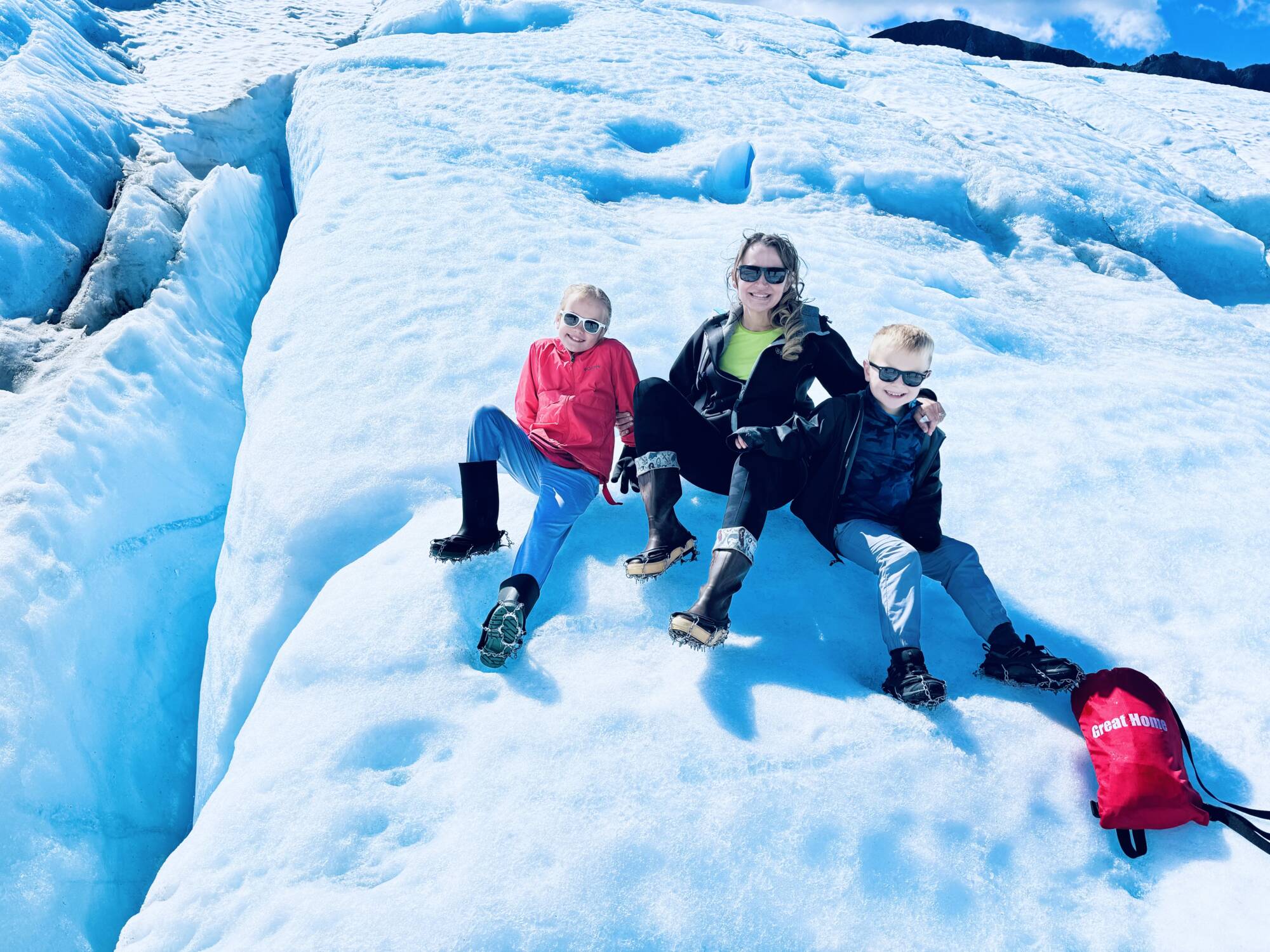
A guest explores remote glacier terrain during an Alaska Ultimate Safaris helicopter glacier landing tour from Homer
If you are choosing one signature adventure for your Alaska trip, choose the version that gives you real access, real expertise, and room to feel the place for yourself. The ice will do the rest.
The moment the aircraft drops below the clouds and the icefield comes into view, you understand why an Alaska glacier landing tour sits so high on so many bucket lists. This is not a distant scenic pass from a bus window or a quick overlook with fifty other people. It is the real thing, aircraft, ice, weather, mountain light, and the rare chance to put your boots down in terrain that still feels untamed.
That first impression matters, but the right tour is about more than a dramatic landing. It is about access, timing, safety, and whether the day feels personal or processed. In Alaska, those details make the difference between a good excursion and the kind of experience you talk about for years.
Why an Alaska glacier landing tour stands out
A glacier flight on its own can be spectacular. A landing changes the experience entirely. Once you step out, the scale resets. Crevasses look sharper, the silence feels heavier, and the cold air off the ice hits differently than it does through a plane window.
That is why glacier landings appeal to travelers who want more than sightseeing. Couples planning a once-in-a-lifetime Alaska trip, families chasing a true frontier memory, photographers hunting clean alpine light, and adventure travelers who avoid crowded excursions all tend to want the same thing – direct contact with the landscape.
A landing also creates room for something rare in tourism: stillness. There is no city noise, no paved path, and no staged backdrop. Just raw ice and mountains. For many guests, that is the moment Alaska stops feeling like a destination and starts feeling wild.
What the day actually feels like
Most people imagine the landing first, but the experience starts earlier. The aircraft, the route, and the weather all shape the day. In Southcentral Alaska, conditions can shift fast, which is why experienced operators do not run tours like assembly lines. The best days are flexible. Routes may change to find better visibility, smoother flying conditions, or a more rewarding landing zone.
From the air, you may cross braided rivers, coastal inlets, volcanic country, and heavily glaciated mountain terrain before touching down. That contrast is part of the thrill. Alaska is not one landscape. It is many landscapes stacked together, and a well-run flight lets you feel that transition in real time.
Then comes the landing itself. On a strong trip, it feels controlled, calm, and deliberate. Good pilots do not make a show of it. They make it look routine because routine is what experience looks like. Once on the ice, your guide or pilot helps orient the group, points out safe walking areas, and gives you time to take it in without rushing every minute.
A premium trip usually feels unhurried even when the logistics are precise. That balance matters. You want professionalism behind the scenes and freedom in the moment.
Not all glacier landing tours are the same
This is where travelers often get tripped up. Two tours may sound similar online, but the actual experience can be very different.
Some glacier excursions are built around high volume. They move a lot of guests quickly, follow rigid routes, and deliver a polished but standardized version of Alaska. That model works for some travelers. If you only want a short highlight and do not mind crowds, it may be enough.
But if you are spending serious money and want something that feels exclusive, the differences start to matter. Group size affects everything from noise level to photo opportunities. Aircraft type changes the feel of the flight. Route flexibility influences whether your operator can adapt to conditions or simply cancel. Local experience matters because glacier terrain, mountain weather, and remote operations do not reward guesswork.
An operator with deep backcountry time knows when to pivot, when to wait, and when to call it. That judgment is not glamorous, but it is one of the most valuable parts of the trip.
How to choose the right Alaska glacier landing tour
Start with the experience you want, not just the price. If your goal is to say you landed on a glacier, almost any qualifying tour can check the box. If your goal is to witness wild Alaska in a way that feels personal, immersive, and worth the trip north, you need to look closer.
Small groups are usually a strong sign. They create a quieter atmosphere and allow for better pacing on the ground. They also tend to reflect an operator that is selling quality of access rather than volume.
Safety should be obvious, not buried. You want a company that is clear about pilot experience, decision-making, and operating standards in remote terrain. In Alaska, confidence is earned through repetition, not marketing language.
It also helps to look at what else the operator understands besides ice. Companies that regularly work in remote Alaska, whether through bush plane access, beach landings, wildlife safaris, or difficult weather windows, tend to bring a broader field skill set to glacier days. At Alaska Ultimate Safaris, that kind of frontier access is part of the operating DNA, which is why travelers looking for something less generic often notice the difference.
What to wear and bring without overthinking it
People often assume glacier landings require technical mountaineering gear. They do not, unless the specific tour says otherwise. Most standard glacier landing trips are designed for regular travelers, not climbers.
Dress in layers. That is the single best rule. Temperatures on the ice can feel much colder than they did at departure, especially if wind picks up. A light base layer, insulating mid-layer, and weather-resistant outer shell usually work well. Closed-toe shoes or hiking boots with good traction are better than fashion sneakers.
Bring sunglasses. Snow and ice can throw a surprising amount of light back at you. A camera is obvious, but do not spend the whole experience behind a screen. The best glacier moments are often the ones you do not frame.
If you are prone to motion sickness, take that seriously before takeoff. Even on a smooth day, mountain flying is different from straight commercial routes. Experienced crews can help set expectations, but preparation is on you.
Who this experience is best for
An Alaska glacier landing tour is ideal for travelers who want a strong sense of place in a relatively short amount of time. You do not need to be an elite athlete. You do need to be comfortable with remote travel, changing conditions, and the fact that nature sets the terms.
This experience is especially good for milestone trips. Anniversaries, family Alaska vacations, photography-driven itineraries, and luxury adventure travel all pair well with glacier landings because the payoff is immediate and memorable.
It may be less appealing if you want a fully predictable day down to the minute. Weather delays happen. Routes shift. Occasionally the safest call is not the one you hoped for. That is not a flaw in the experience. It is part of choosing the real Alaska over a manufactured one.
The trade-off nobody should hide
Remote Alaska experiences are at their best when they are shaped by conditions, not forced through them. That means flexibility is a feature, not an inconvenience.
The trade-off is simple: the more authentic and weather-dependent the experience, the less it behaves like a theme park attraction. You may need patience. You may need to trust your pilot and guide when the plan changes. In return, you get access to something that still feels raw and honest.
For many travelers, that trade is exactly the point. They are not coming north for a scripted photo stop. They are coming for the story only Alaska can tell.
Why the landing stays with people
Long after the flight, most guests remember one specific detail. Sometimes it is the sound of the aircraft fading once the engine cuts. Sometimes it is the blue inside the ice. Sometimes it is the strange feeling of standing somewhere that seems untouched by ordinary time.
That is what a great glacier landing delivers. Not just scenery, but perspective. It strips away the crowded-tour feeling and replaces it with something cleaner, rarer, and harder to forget.
If you are choosing one signature adventure for your Alaska trip, choose the version that gives you real access, real expertise, and room to feel the place for yourself. The ice will do the rest.
The moment the aircraft drops below the clouds and the icefield comes into view, you understand why an Alaska glacier landing tour sits so high on so many bucket lists. This is not a distant scenic pass from a bus window or a quick overlook with fifty other people. It is the real thing, aircraft, ice, weather, mountain light, and the rare chance to put your boots down in terrain that still feels untamed.
That first impression matters, but the right tour is about more than a dramatic landing. It is about access, timing, safety, and whether the day feels personal or processed. In Alaska, those details make the difference between a good excursion and the kind of experience you talk about for years.
Why an Alaska glacier landing tour stands out
A glacier flight on its own can be spectacular. A landing changes the experience entirely. Once you step out, the scale resets. Crevasses look sharper, the silence feels heavier, and the cold air off the ice hits differently than it does through a plane window.
That is why glacier landings appeal to travelers who want more than sightseeing. Couples planning a once-in-a-lifetime Alaska trip, families chasing a true frontier memory, photographers hunting clean alpine light, and adventure travelers who avoid crowded excursions all tend to want the same thing – direct contact with the landscape.
A landing also creates room for something rare in tourism: stillness. There is no city noise, no paved path, and no staged backdrop. Just raw ice and mountains. For many guests, that is the moment Alaska stops feeling like a destination and starts feeling wild.
What the day actually feels like
Most people imagine the landing first, but the experience starts earlier. The aircraft, the route, and the weather all shape the day. In Southcentral Alaska, conditions can shift fast, which is why experienced operators do not run tours like assembly lines. The best days are flexible. Routes may change to find better visibility, smoother flying conditions, or a more rewarding landing zone.
From the air, you may cross braided rivers, coastal inlets, volcanic country, and heavily glaciated mountain terrain before touching down. That contrast is part of the thrill. Alaska is not one landscape. It is many landscapes stacked together, and a well-run flight lets you feel that transition in real time.
Then comes the landing itself. On a strong trip, it feels controlled, calm, and deliberate. Good pilots do not make a show of it. They make it look routine because routine is what experience looks like. Once on the ice, your guide or pilot helps orient the group, points out safe walking areas, and gives you time to take it in without rushing every minute.
A premium trip usually feels unhurried even when the logistics are precise. That balance matters. You want professionalism behind the scenes and freedom in the moment.
Not all glacier landing tours are the same
This is where travelers often get tripped up. Two tours may sound similar online, but the actual experience can be very different.
Some glacier excursions are built around high volume. They move a lot of guests quickly, follow rigid routes, and deliver a polished but standardized version of Alaska. That model works for some travelers. If you only want a short highlight and do not mind crowds, it may be enough.
But if you are spending serious money and want something that feels exclusive, the differences start to matter. Group size affects everything from noise level to photo opportunities. Aircraft type changes the feel of the flight. Route flexibility influences whether your operator can adapt to conditions or simply cancel. Local experience matters because glacier terrain, mountain weather, and remote operations do not reward guesswork.
An operator with deep backcountry time knows when to pivot, when to wait, and when to call it. That judgment is not glamorous, but it is one of the most valuable parts of the trip.
How to choose the right Alaska glacier landing tour
Start with the experience you want, not just the price. If your goal is to say you landed on a glacier, almost any qualifying tour can check the box. If your goal is to witness wild Alaska in a way that feels personal, immersive, and worth the trip north, you need to look closer.
Small groups are usually a strong sign. They create a quieter atmosphere and allow for better pacing on the ground. They also tend to reflect an operator that is selling quality of access rather than volume.
Safety should be obvious, not buried. You want a company that is clear about pilot experience, decision-making, and operating standards in remote terrain. In Alaska, confidence is earned through repetition, not marketing language.
It also helps to look at what else the operator understands besides ice. Companies that regularly work in remote Alaska, whether through bush plane access, beach landings, wildlife safaris, or difficult weather windows, tend to bring a broader field skill set to glacier days. At Alaska Ultimate Safaris, that kind of frontier access is part of the operating DNA, which is why travelers looking for something less generic often notice the difference.
What to wear and bring without overthinking it
People often assume glacier landings require technical mountaineering gear. They do not, unless the specific tour says otherwise. Most standard glacier landing trips are designed for regular travelers, not climbers.
Dress in layers. That is the single best rule. Temperatures on the ice can feel much colder than they did at departure, especially if wind picks up. A light base layer, insulating mid-layer, and weather-resistant outer shell usually work well. Closed-toe shoes or hiking boots with good traction are better than fashion sneakers.
Bring sunglasses. Snow and ice can throw a surprising amount of light back at you. A camera is obvious, but do not spend the whole experience behind a screen. The best glacier moments are often the ones you do not frame.
If you are prone to motion sickness, take that seriously before takeoff. Even on a smooth day, mountain flying is different from straight commercial routes. Experienced crews can help set expectations, but preparation is on you.
Who this experience is best for
An Alaska glacier landing tour is ideal for travelers who want a strong sense of place in a relatively short amount of time. You do not need to be an elite athlete. You do need to be comfortable with remote travel, changing conditions, and the fact that nature sets the terms.
This experience is especially good for milestone trips. Anniversaries, family Alaska vacations, photography-driven itineraries, and luxury adventure travel all pair well with glacier landings because the payoff is immediate and memorable.
It may be less appealing if you want a fully predictable day down to the minute. Weather delays happen. Routes shift. Occasionally the safest call is not the one you hoped for. That is not a flaw in the experience. It is part of choosing the real Alaska over a manufactured one.
The trade-off nobody should hide
Remote Alaska experiences are at their best when they are shaped by conditions, not forced through them. That means flexibility is a feature, not an inconvenience.
The trade-off is simple: the more authentic and weather-dependent the experience, the less it behaves like a theme park attraction. You may need patience. You may need to trust your pilot and guide when the plan changes. In return, you get access to something that still feels raw and honest.
For many travelers, that trade is exactly the point. They are not coming north for a scripted photo stop. They are coming for the story only Alaska can tell.
Why the landing stays with people
Long after the flight, most guests remember one specific detail. Sometimes it is the sound of the aircraft fading once the engine cuts. Sometimes it is the blue inside the ice. Sometimes it is the strange feeling of standing somewhere that seems untouched by ordinary time.
That is what a great glacier landing delivers. Not just scenery, but perspective. It strips away the crowded-tour feeling and replaces it with something cleaner, rarer, and harder to forget.
If you are choosing one signature adventure for your Alaska trip, choose the version that gives you real access, real expertise, and room to feel the place for yourself. The ice will do the rest.