If your Alaska trip hinges on one moment – the sound of a brown bear pushing through sedge, the flash of a salmon in shallow water, the kind of silence that makes you forget your phone exists – Katmai National Park belongs at the top of your list. This is not a roadside attraction and it is not a place you casually squeeze between cruise stops. It is a raw, bear-rich, weather-driven piece of Alaska that rewards travelers who want the real thing.
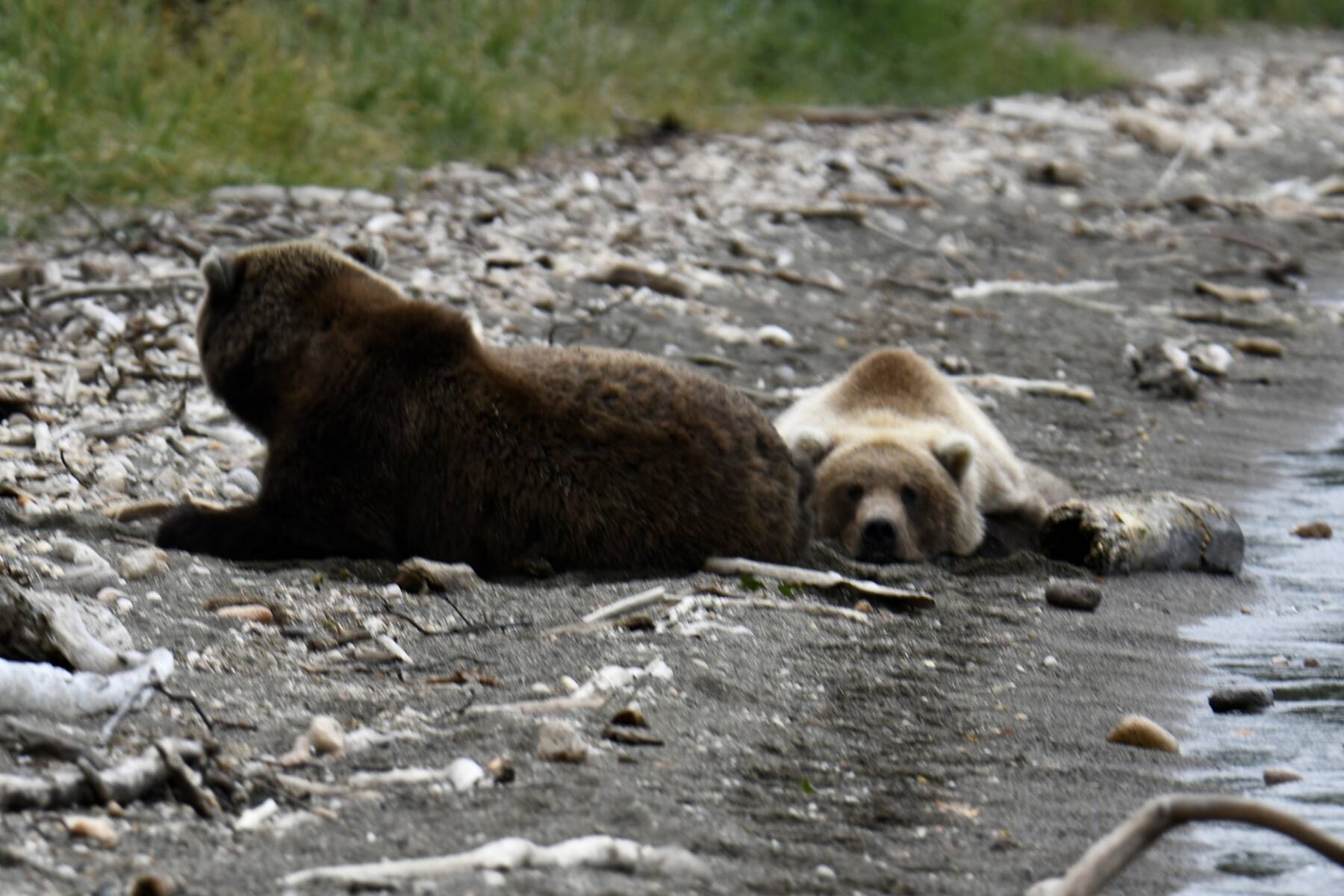
Katmai is famous for a reason. The brown bear density is extraordinary, the scenery swings from coastal meadows to volcanic terrain, and the experience can feel genuinely wild even when you are standing in one of the most sought-after wildlife destinations in North America. But what matters most is how you experience it. In Katmai, access shapes everything.
Why Katmai National Park hits differently
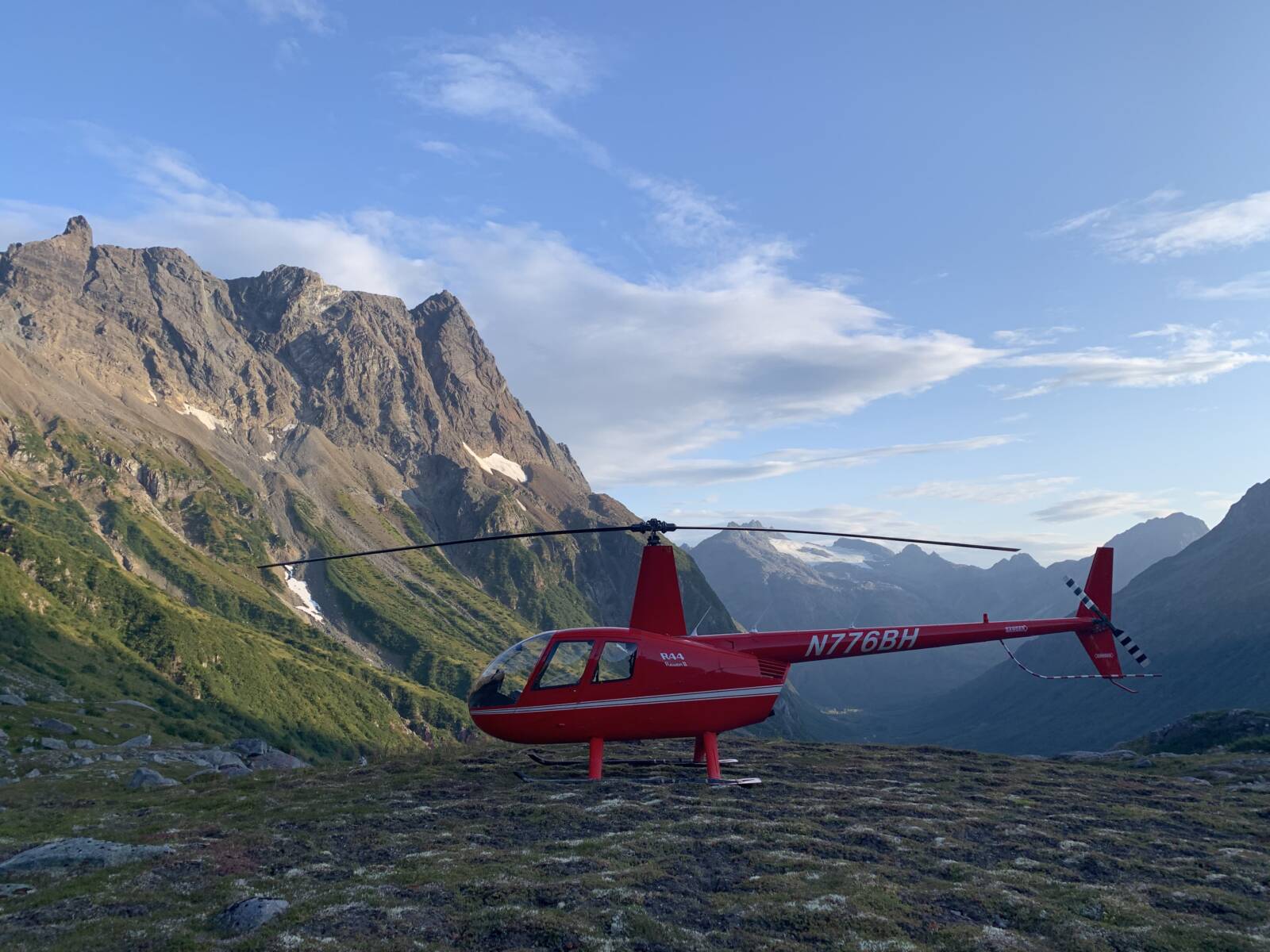
Some national parks impress you from a windshield turnout. Katmai does not work that way. There are no roads connecting it to Alaska’s main highway system, and that isolation is part of the power. You get there by air or boat, often by floatplane or bush plane, and from the moment the wheels lift off the runway, the trip starts to feel less like sightseeing and more like entry into a different Alaska.
That remoteness protects what people come for. Bears still fish, graze, spar, and nap on their own terms. Tides redraw the coastline. Weather changes the plan. Volcanic landscapes still carry the force of the 1912 Novarupta eruption, one of the largest in recorded history. Katmai is not polished. That is exactly the point.
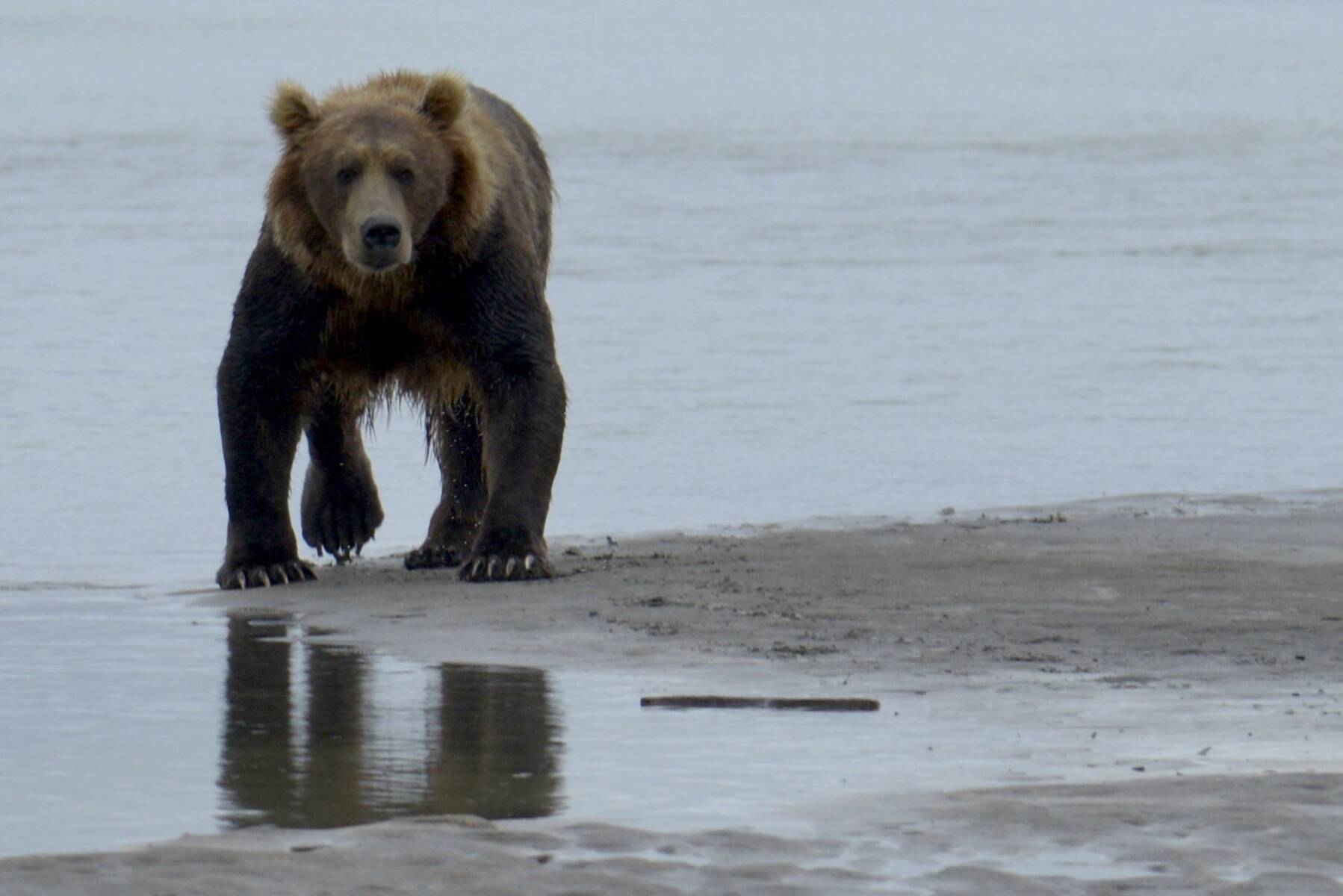
For travelers who want a premium wilderness experience, the appeal goes beyond checking a national park off a list. Katmai offers proximity – not just visual, but emotional. You feel the scale of the place. You feel how small humans are in it. When done right, that is what people remember long after they get home.
The bears are the headline, but not the whole story
Yes, the brown bears are the main draw, and deservedly so. Seeing one bear in the wild is memorable. Seeing multiple bears in a single day, each behaving differently in a landscape that looks untouched, is something else entirely.
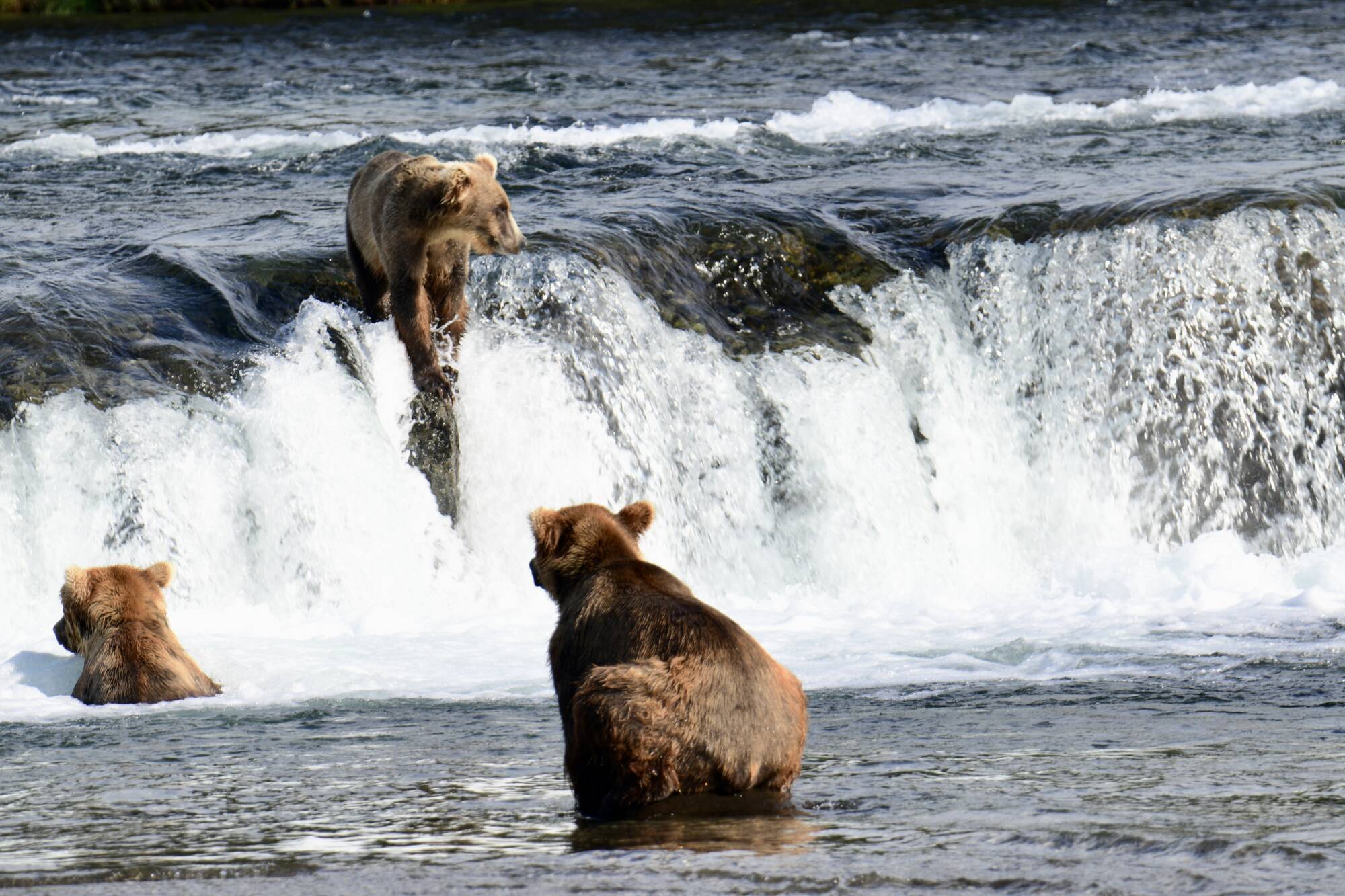
At Brooks Falls, the classic image is easy to understand: bears stationed at the lip of the waterfall, jaws open, waiting for salmon to launch. It is iconic because it is real, and in peak season it can be spectacular. But Brooks is only one version of Katmai. Depending on timing, weather, salmon movement, and your appetite for crowds, it may or may not be the best fit.
That is the trade-off many visitors miss. The most famous bear viewing areas are not always the most intimate. If your goal is simply to say you saw a bear at a famous location, a standard visit may do the job. If your goal is to watch bears in a quieter setting, with room to absorb the behavior and photograph the scene without a line of people at your shoulder, remote access matters.
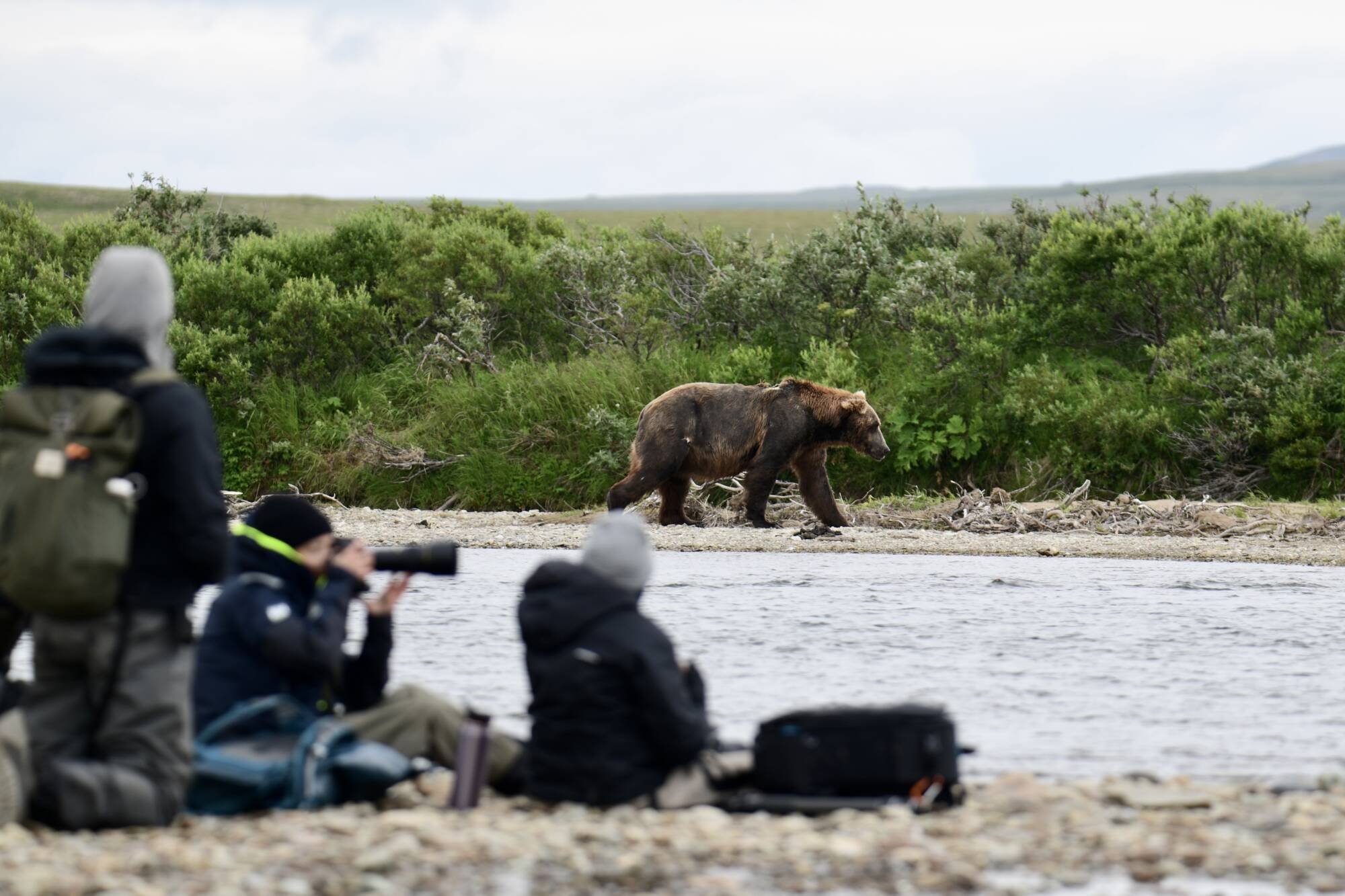
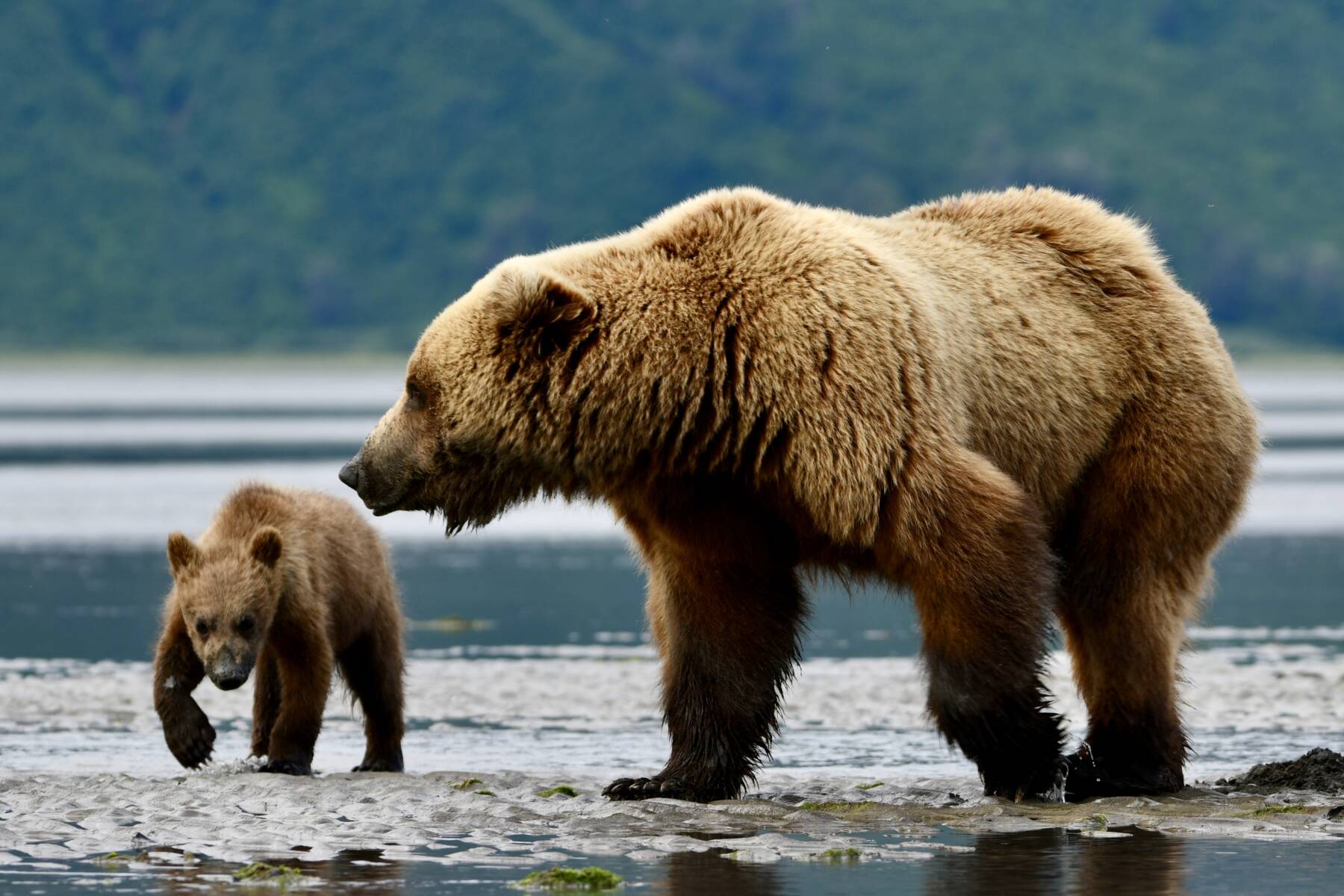
In other parts of Katmai and nearby wild country, bear viewing can feel more fluid and personal. Bears graze tidal flats, roam sedge meadows, dig for clams, or move along river corridors with almost no sign of built infrastructure. The experience is less about a platform and more about being in the landscape with expert judgment guiding every step.
When to go to Katmai National Park
Timing changes the story. There is no single perfect month for everyone, only the right window for the experience you want.
Early summer often brings lush green landscapes and active bears feeding on grasses and sedges. This can be a fantastic time for travelers who want dramatic scenery and fewer people competing for the same view. Bear behavior is different than peak salmon season, but no less compelling.
Mid to late summer is when salmon runs become the major draw. This is when many visitors picture the classic fishing scenes, especially around Brooks Falls. It is also when demand rises. If you want peak action, this period delivers. If you want maximum solitude, it may require more strategic planning and more remote routing.
Fall has its own edge. Bears are focused on feeding before winter, the light can be beautiful, and the tundra starts to turn. Conditions can also become more challenging. Weather is always part of Alaska, but later season travel rewards flexibility and realistic expectations.
This is where experience matters. A rigid itinerary sounds tidy on paper, but in bear country and bush flying country, adaptability wins. The best days often happen because a guide reads conditions well and adjusts.
What access really means in Katmai
A lot of Alaska travel marketing uses the word remote. In Katmai, remote has a practical meaning. It means logistics determine quality.
A larger, fixed-route tour may get you into the park, but it can also lock you into the same places everyone else goes, on the same schedule, with less room to pivot if weather or wildlife activity shifts. That can still be worthwhile, especially for first-time visitors with simple goals. But it is not the same as a flexible, small-group day built around conditions.
Bush planes open the door to beaches, lakes, and backcountry landing areas that feel far removed from the standard circuit. Water landings and beach landings expand that range even further. In some cases, access to private or seldom-visited areas changes the entire tone of the day. You are no longer moving through a busy wildlife attraction. You are out in the field, where timing, tide, and pilot judgment shape the experience.
For travelers spending serious money on a once-in-a-lifetime Alaska trip, this distinction matters. The difference between a good day and an unforgettable one is often not the park itself. It is how you move through it.
Crowds, safety, and the reality of wild bear viewing
Katmai is wild, but it is not lawless. Good bear viewing depends on respect, distance, and calm, informed decisions. That is true at established viewing areas and even more true in remote settings.
The best operators do not sell recklessness. They sell access backed by judgment. That means understanding wind, terrain, bear behavior, group spacing, and how to position guests without putting pressure on wildlife. It also means accepting that safety can require a route change, a delayed landing, or a different viewing area than the one you imagined.
That is not a compromise. That is Alaska done right.
Crowds are another factor worth being honest about. Some visitors do not mind popular bear platforms because the viewing can still be excellent. Others find that the human traffic chips away at the very reason they came north. Neither perspective is wrong. It depends on what kind of memory you want to bring home.
If you want the broadest access to quiet country, small groups and experienced local aviation support make a real difference. Operators such as Alaska Ultimate Safaris have built their reputation around that exact advantage: fewer people, flexible routing, deep bush experience, and the confidence to adapt the day around where the best wildlife encounter is actually happening.
Is Katmai National Park worth it?
For the right traveler, absolutely. But the better question is whether it fits the trip you want.
If you prefer paved overlooks, fixed schedules, and predictable comfort, Katmai may feel too weather-dependent and too logistically complex. If you want a polished but distant version of Alaska, there are easier ways to spend a vacation.
If you want to stand on a remote beach while a brown bear moves across the tidal flats with zero interest in performing for anyone, Katmai delivers something few places on earth can match. It is a place for travelers who value wildness over convenience and access over volume. It rewards people who understand that the best wildlife encounters are never fully scripted.
The park also works especially well as a centerpiece for a broader Alaska adventure. Pairing bear viewing with glaciers, volcano country, or coastal flightseeing creates a richer sense of southwest Alaska as a living, shifting landscape rather than a single photo stop. For photographers, couples, families with older kids, and bucket-list travelers, that combination can turn one extraordinary day into the defining experience of the entire trip.
Katmai does not ask you to be fearless. It asks you to show up prepared, curious, and willing to let the wilderness set the pace. That is where the magic starts. If you choose your access carefully, the park will do the rest.
Planning your Katmai bear trip
Start by choosing the experience rather than a single famous photo. If Brooks Falls is your priority, say so when you book. If you care more about coastal behavior, photography, fewer people or family-friendly pacing, a flexible fly-in plan may fit better. Weather, tides, salmon and bear movement can all change the strongest destination for a particular day.
- Allow flexibility: Avoid placing an unmissable flight or cruise connection immediately after your bear-viewing day.
- Dress for the field: Bring waterproof layers and sturdy footwear. See our guide to what to wear for Alaska bear viewing.
- Choose experienced guides: Small groups move calmly and allow the pilot-guide to respond to conditions without rushing the experience.
- Prepare your camera: Carry spare batteries and use equipment you can operate quickly. Our bear photography guide explains how to photograph wildlife without disrupting it.
For a step-by-step picture of the flight, landing and time on the ground, read what to expect on a fly-in bear-viewing safari. You can also compare current bear-viewing safari options from Homer.
Plan your bear safari
Ready for the next step?
Check live dates, talk with our Homer team, or ask which bear-viewing destination fits your travel window best.