If you’re asking how to get to Katmai from Homer, the short answer is this: you do not drive there, and you do not casually tack it onto a road trip. Katmai is fly-in country – raw, roadless, weather-driven, and wildly worth the effort. From Homer, the journey usually happens by small aircraft across Cook Inlet, often followed by a second leg on the ground, by boat, or even by helicopter depending on where the bears are, what conditions are doing, and how remote you want the day to feel.
That reality is exactly why Katmai remains one of Alaska’s great wildlife experiences. Getting there is part of the threshold. You leave behind highways, crowds, and easy logistics, and step into a landscape where brown bears feed, roam, and fish on their own terms.
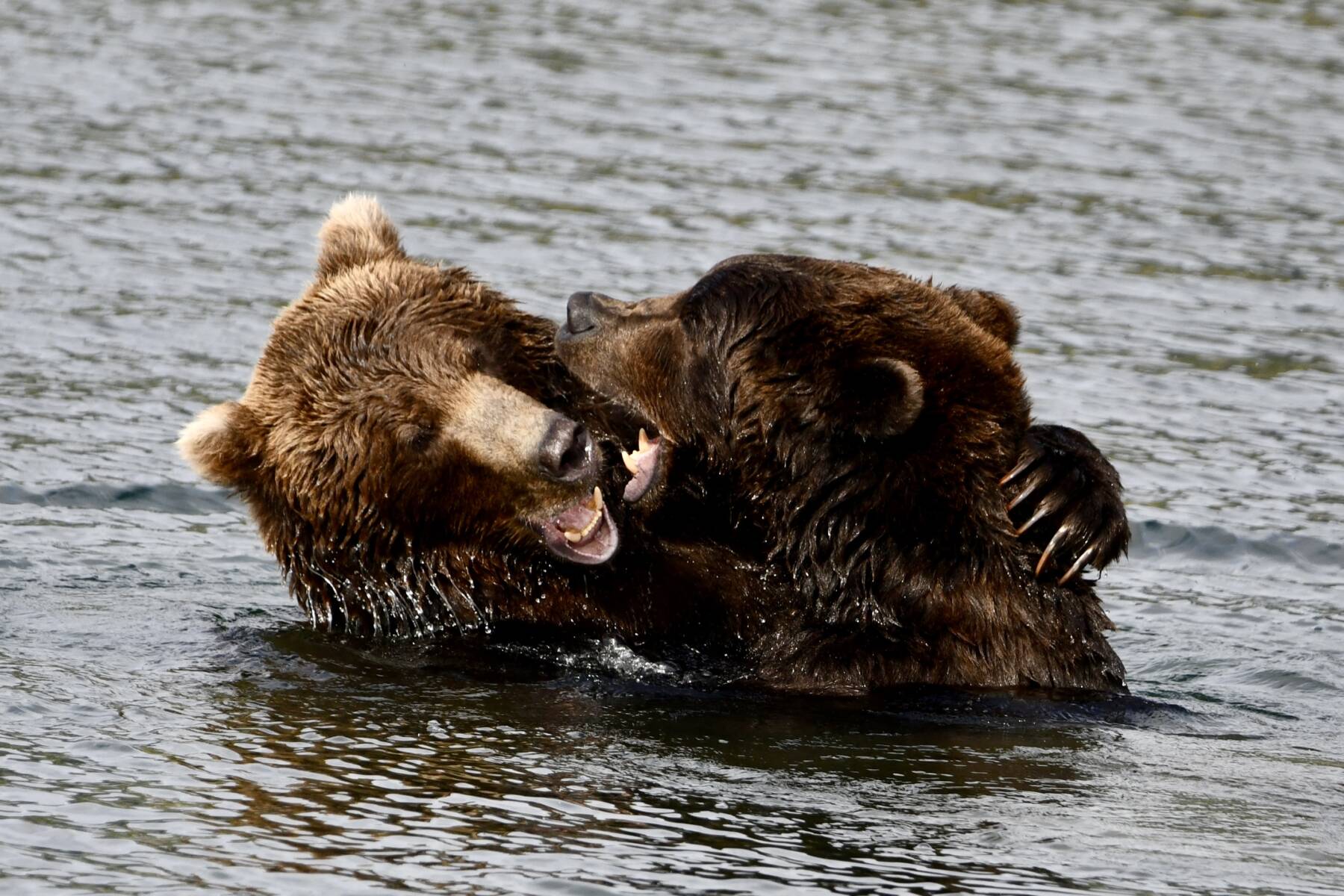
How to Get to Katmai From Homer: The Real Options
For most travelers, the practical answer to how to get to Katmai from Homer is a guided fly-out trip. Homer is one of the strongest launch points for accessing Katmai and nearby bear-viewing country because it sits on the southern edge of the Kenai Peninsula with direct air access across the water to remote terrain.
A typical day starts at a small aviation base in or near Homer. From there, guests board a bush plane or wheel plane fitted for Alaska conditions and head across Cook Inlet. Flight times vary by destination, but many bear-viewing areas are reachable in roughly an hour, sometimes a little more, sometimes less. The destination matters. Katmai is not a single roadside viewpoint. It is a vast national park and preserve with multiple bear habitats, beaches, meadows, river systems, and lodges spread across a huge area.
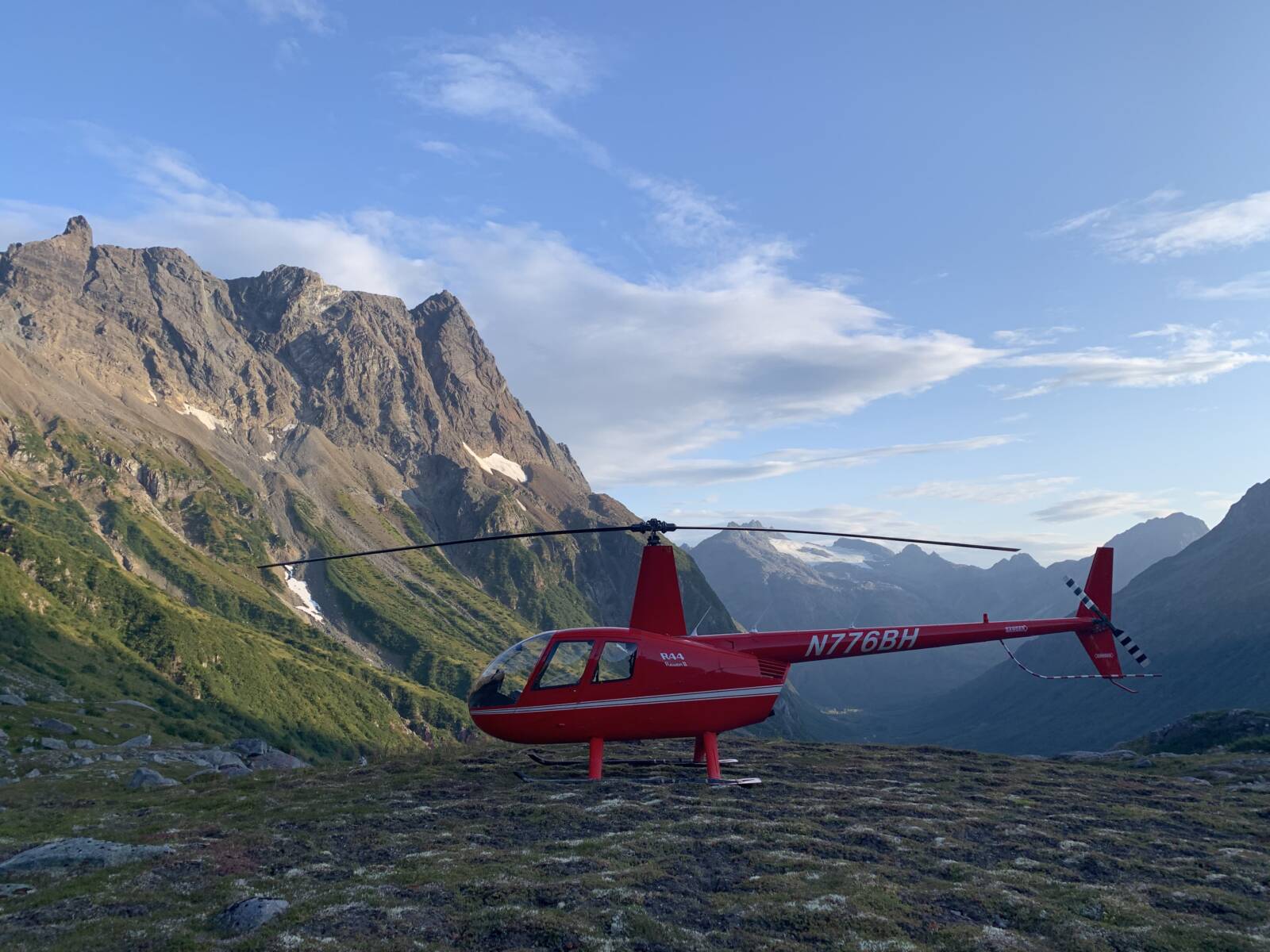
That means your route depends on the experience you want. Some trips focus on famous bear-viewing zones, while others prioritize more remote settings with fewer people and a stronger sense of true wilderness. Premium operators may also combine aircraft access with additional transport – such as beach landings, water landings, or helicopter support – to reach country that standard sightseeing outfits simply do not touch.
Why Homer Is One of the Best Places to Start
Homer gives travelers a rare combination of convenience and frontier access. You can stay in town, enjoy strong lodging and dining options, and still launch into bear country without relocating to a remote lodge for multiple nights. For travelers building a broader Alaska itinerary, that flexibility matters.
Just as important, Homer-based departures can adapt. Weather over Cook Inlet, along the coast, and in the mountains can change quickly. Experienced local operators know when to shift timing, alter routes, or choose a different landing area to keep the day safe and worthwhile. In Alaska, that kind of judgment is not a bonus feature. It is the difference between a polished adventure and a disappointing gamble.
For visitors who want something beyond the standard crowded platform experience, Homer also opens the door to more exclusive access. The right outfitter can take you into private or less-trafficked areas where the encounter feels less like a queue and more like stepping into the wild.
What the Journey Actually Looks Like
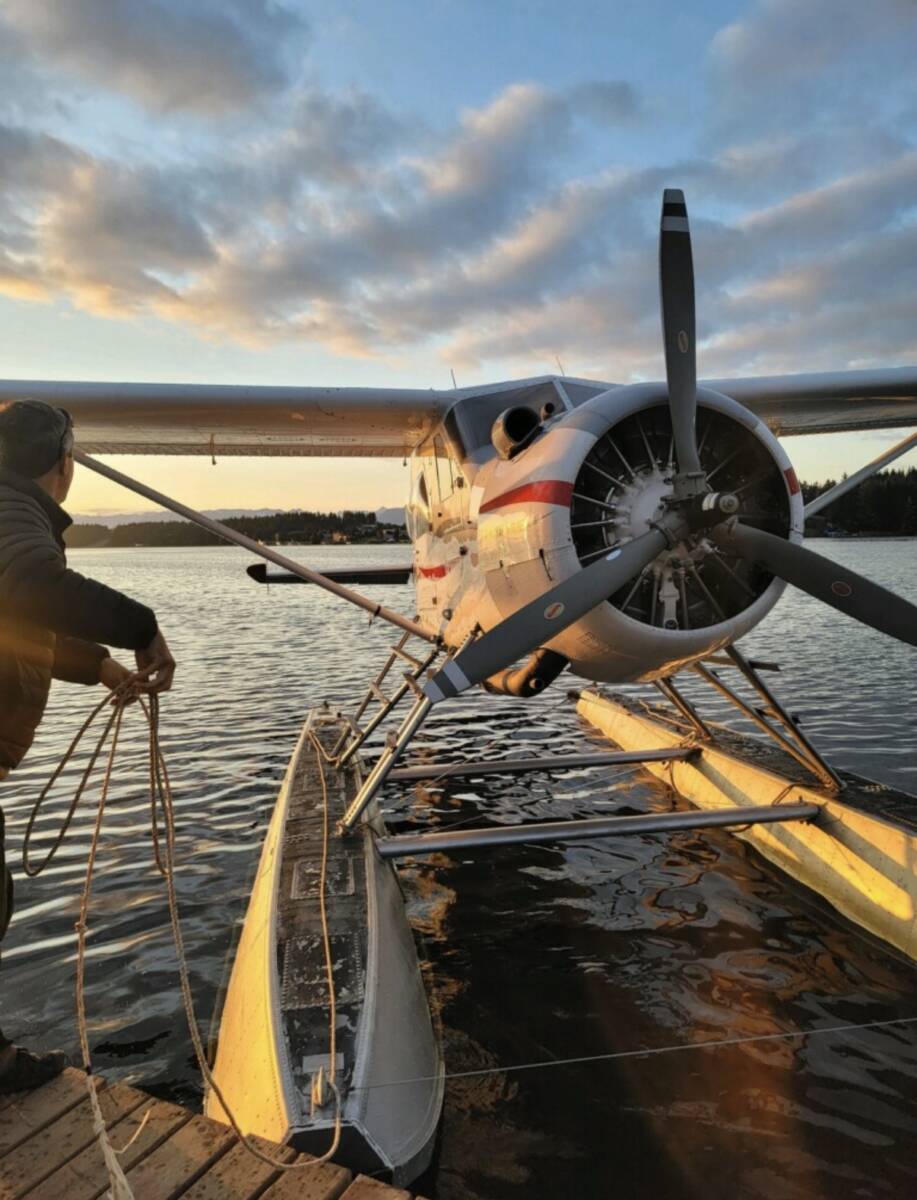
Most Katmai trips from Homer begin with a safety briefing and a weather check. After takeoff, the flight itself is often part of the reason people remember the day for years. You cross open water, then move into a landscape of volcanoes, glacial terrain, braided rivers, and isolated coastlines. On a clear day, the views alone feel like a full-scale Alaska experience before the first bear ever appears.
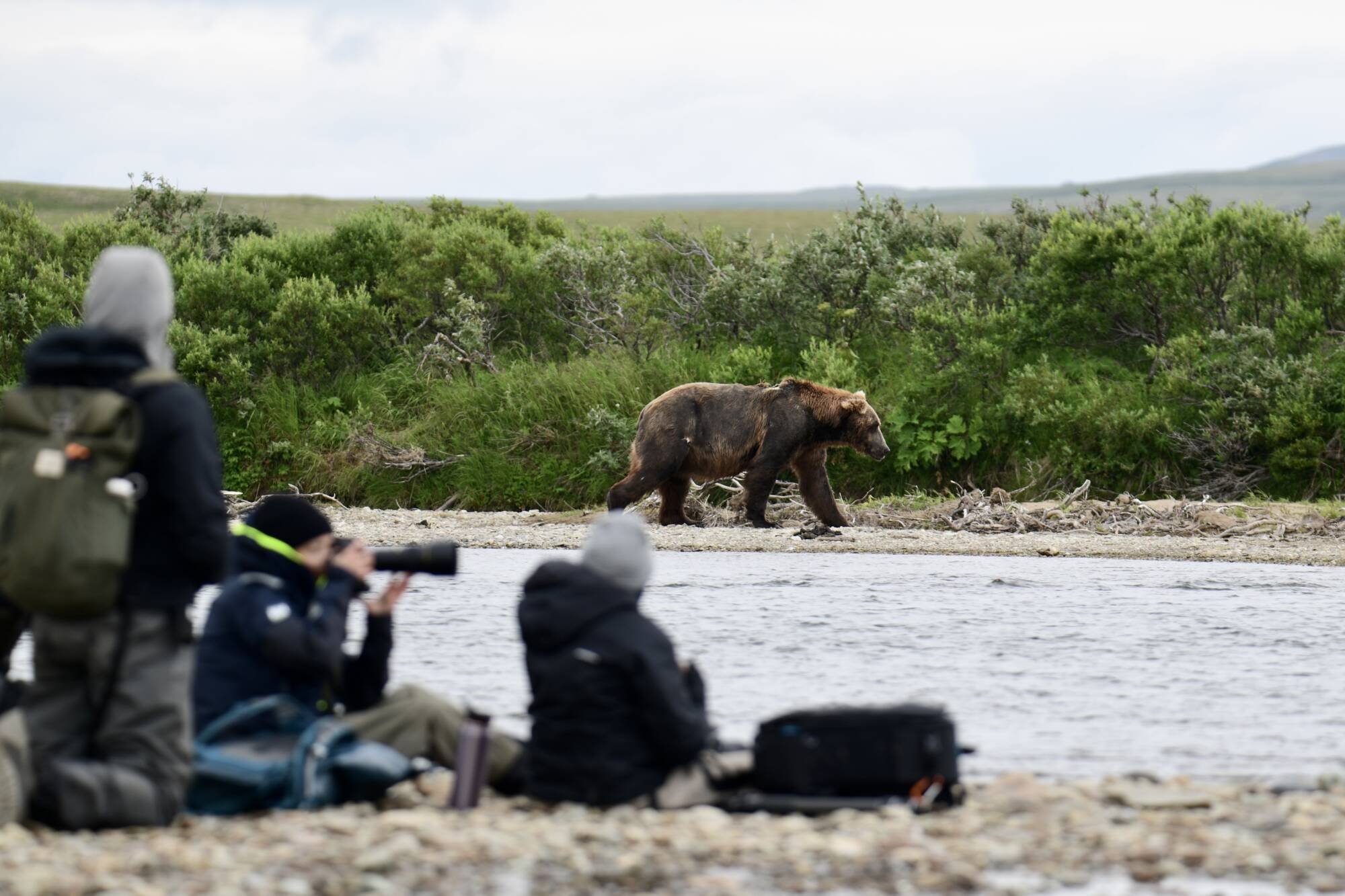
After landing, the day becomes more variable. Some areas involve walking over tundra, sedge flats, or beaches with a guide. Others may include waiting in a natural feeding zone where bears predictably move through. In some locations, guests transfer again to access another section of habitat. The point is not speed. It is positioning – getting you where wildlife activity is strongest while maintaining a safe, respectful distance.
This is also where small-group travel matters. A smaller group moves better, stays quieter, and adapts faster. If bears shift to a different drainage, shoreline, or meadow, flexible logistics can turn a good day into an unforgettable one.
You Can’t Drive to Katmai – and That’s the Point
A lot of first-time visitors ask whether there is a ferry, a road, or some self-guided route from Homer to Katmai. There isn’t a practical overland option. Katmai is one of the largest protected wilderness areas in the country, and its remoteness is exactly what protects the experience.
That means independent travel is possible only for highly experienced backcountry travelers with aircraft coordination, wilderness skills, gear, and a real tolerance for changing conditions. For most visitors, especially those traveling for bear viewing, a guided day trip is the smart choice. It removes guesswork around aviation, landing access, bear protocols, weather calls, and timing.
There is a trade-off, of course. Guided access costs more than self-directed travel in easier destinations. But Katmai is not an easier destination. You’re paying for aircraft, local knowledge, safety systems, wildlife judgment, and access to terrain where mistakes carry real consequences.
Choosing the Right Kind of Katmai Trip
Not every bear-viewing trip from Homer delivers the same day.
Some are designed around volume, moving larger numbers of guests through a set route. Those can work if your main goal is simply to see bears and check the box. But if you want room to breathe, time to photograph, and a more intimate experience with Alaska’s wild country, the differences become obvious fast.
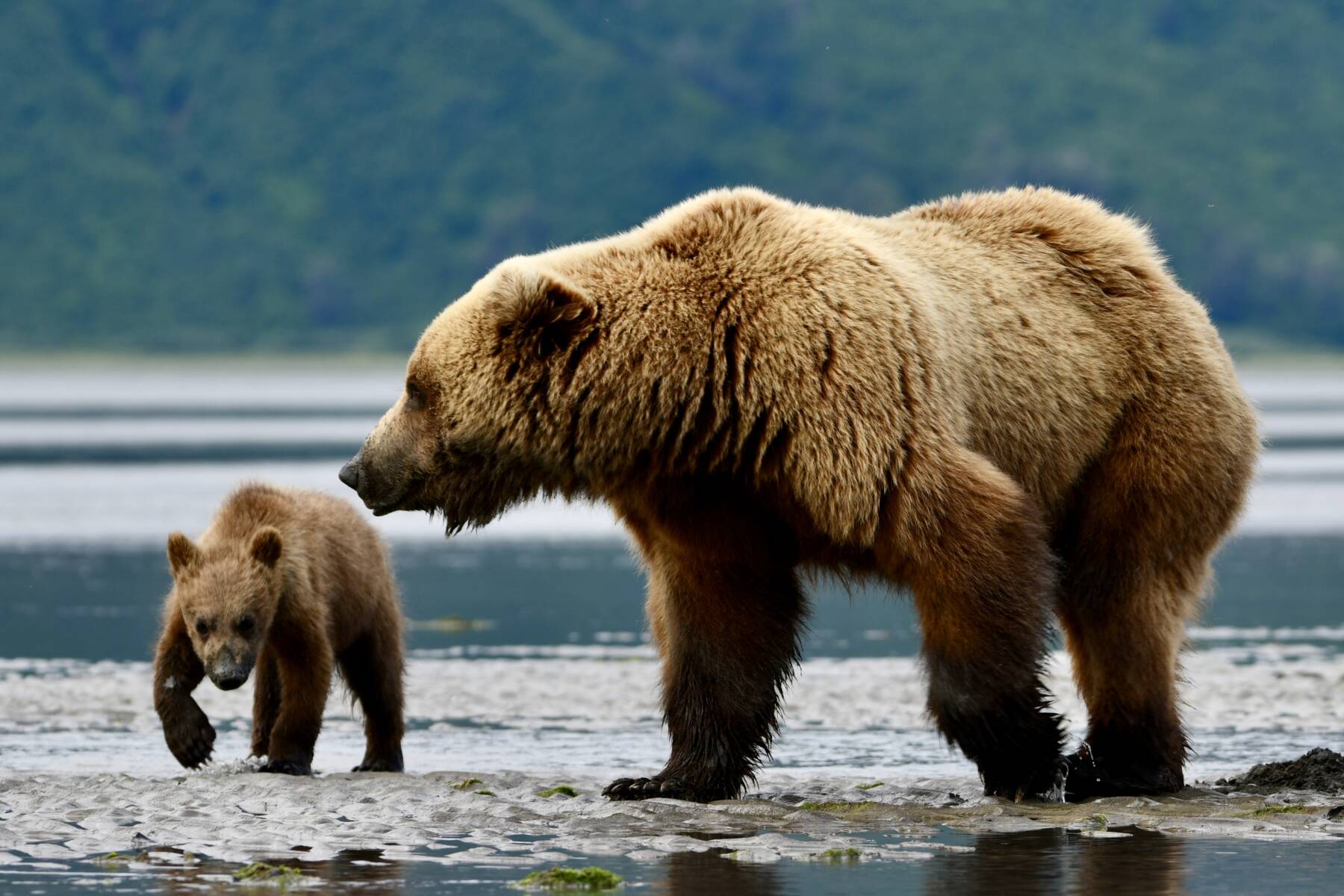
A premium trip usually means smaller groups, more flexible routing, and a stronger commitment to putting you in the best possible place for conditions that day. It may also include access beyond the standard public hotspots. That matters for photographers, families, and travelers who would rather witness a sow and cubs on a quiet sedge flat than stand shoulder to shoulder at a crowded viewing area.
This is where experience counts. Operators with a deep record in the region understand how seasons shift. Early summer feeding patterns differ from salmon-run behavior later in the season. Tide, wind, visibility, and recent wildlife movement all shape where the best day will happen.
When to Go From Homer to Katmai
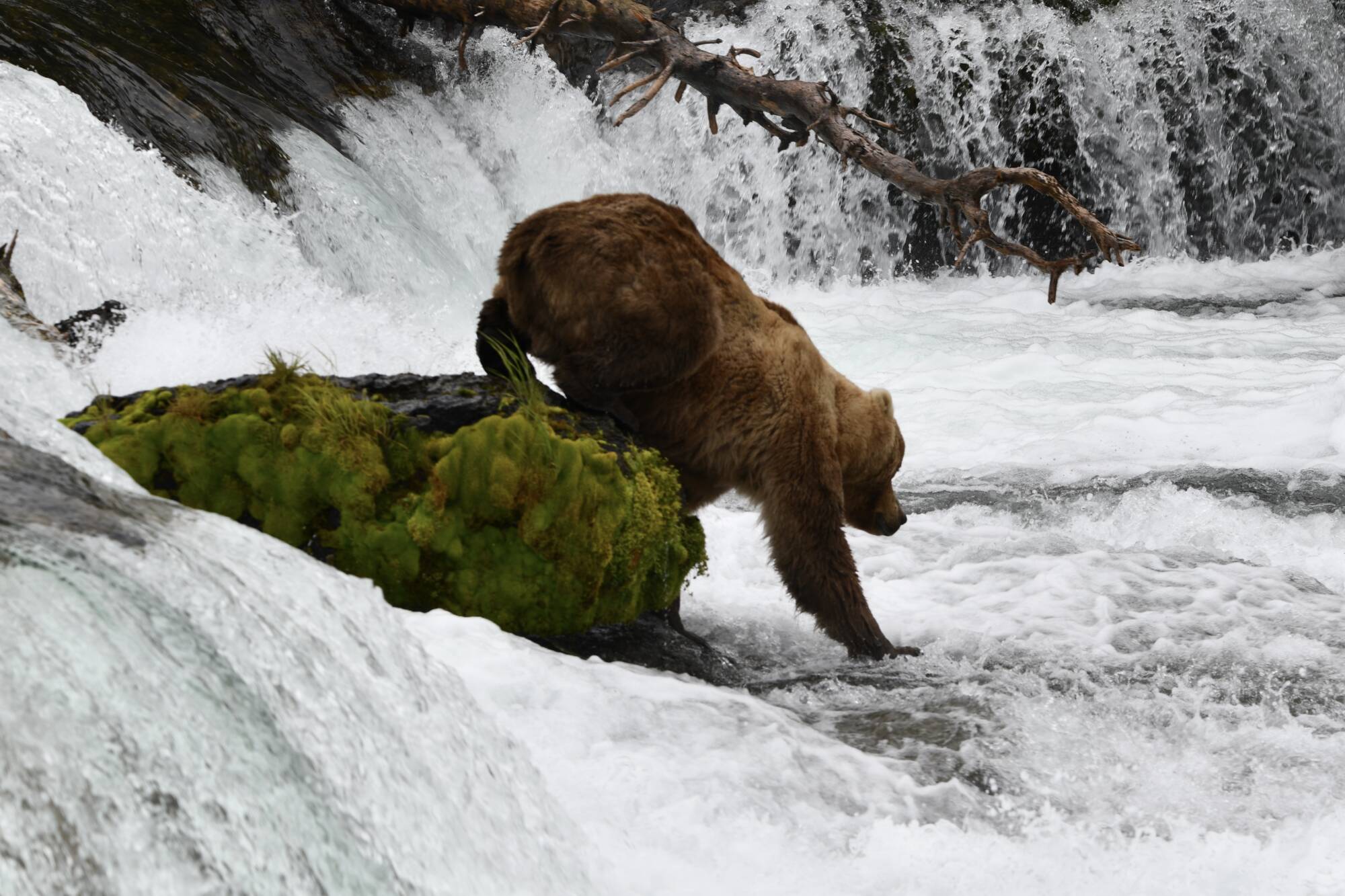
Timing affects everything from scenery to bear behavior. In early season, you may see bears feeding on sedges and emerging from a long winter cycle. Mid to late summer often brings salmon action, which is what many people picture when they think of Katmai. Fall can be dramatic too, with rich colors and bears feeding hard before denning.
The best time depends on what kind of encounter you want. If your goal is classic fishing-bear photography, salmon timing matters. If you want broader landscape drama and fewer people, shoulder periods may be more appealing. There is no single perfect week for every traveler.
Weather also deserves respect. Flights from Homer are always conditions-dependent. Good operators build that into the experience and communicate clearly about it. If a company acts like Alaska weather is a minor footnote, that is not confidence – that is a warning sign.
What to Look for in a Tour Operator
When deciding how to get to Katmai from Homer, the operator is not a small detail. It is the trip.
Look for proven safety standards, extensive local experience, and a small-group model. Ask what kind of aircraft they use, how they handle weather delays, and whether routes are fixed or adaptable. Find out whether your day is limited to one predictable stop or shaped around where wildlife activity is best.
It is also worth asking about the quality of the encounter, not just the transportation. Seeing a bear is one thing. Watching multiple brown bears move naturally through a remote landscape, with space, time, and expert guidance, is something else entirely.
For travelers who want that higher level of access, Alaska Ultimate Safaris has built its reputation on exactly this kind of wild, uncrowded day – premium fly-out adventures designed around bear country, changing conditions, and the kind of remote Alaska most visitors never reach.
What to Bring and What to Expect
Dress for layers, even on bluebird days. Katmai weather can shift quickly, and beach or tundra conditions may feel colder than expected. Waterproof outerwear, solid footwear, and a camera with extra batteries are smart choices. So is a willingness to follow your guide’s lead without hesitation.
Expect a real wilderness day, not a polished theme-park version of nature. Flights can shift. Departure windows can move. Bears do not perform on cue. Yet that unpredictability is part of what makes the experience land so hard. When it comes together – the flight, the light, the first sight of a massive brown bear moving across an open flat – there is nothing staged about it.
The best way to think about Katmai from Homer is simple: you’re not just arranging transportation. You’re choosing how you want to enter one of Alaska’s most powerful wild places. Choose the route that gives the landscape the respect it deserves, and the day will stay with you long after the plane touches back down in Homer.
Plan your bear safari
Ready for the next step?
Check live dates, talk with our Homer team, or ask which bear-viewing destination fits your travel window best.