A Fourth of July Bear Safari in Alaska adventure is one of the most unforgettable ways to celebrate summer in Homer, combining wild coastal brown bears, scenic flights, and true Alaska wilderness.
Fireworks are easy to find. A coastal brown bear turning over sedge at low tide while bald eagles circle overhead – that is a Fourth of July memory worth chasing.
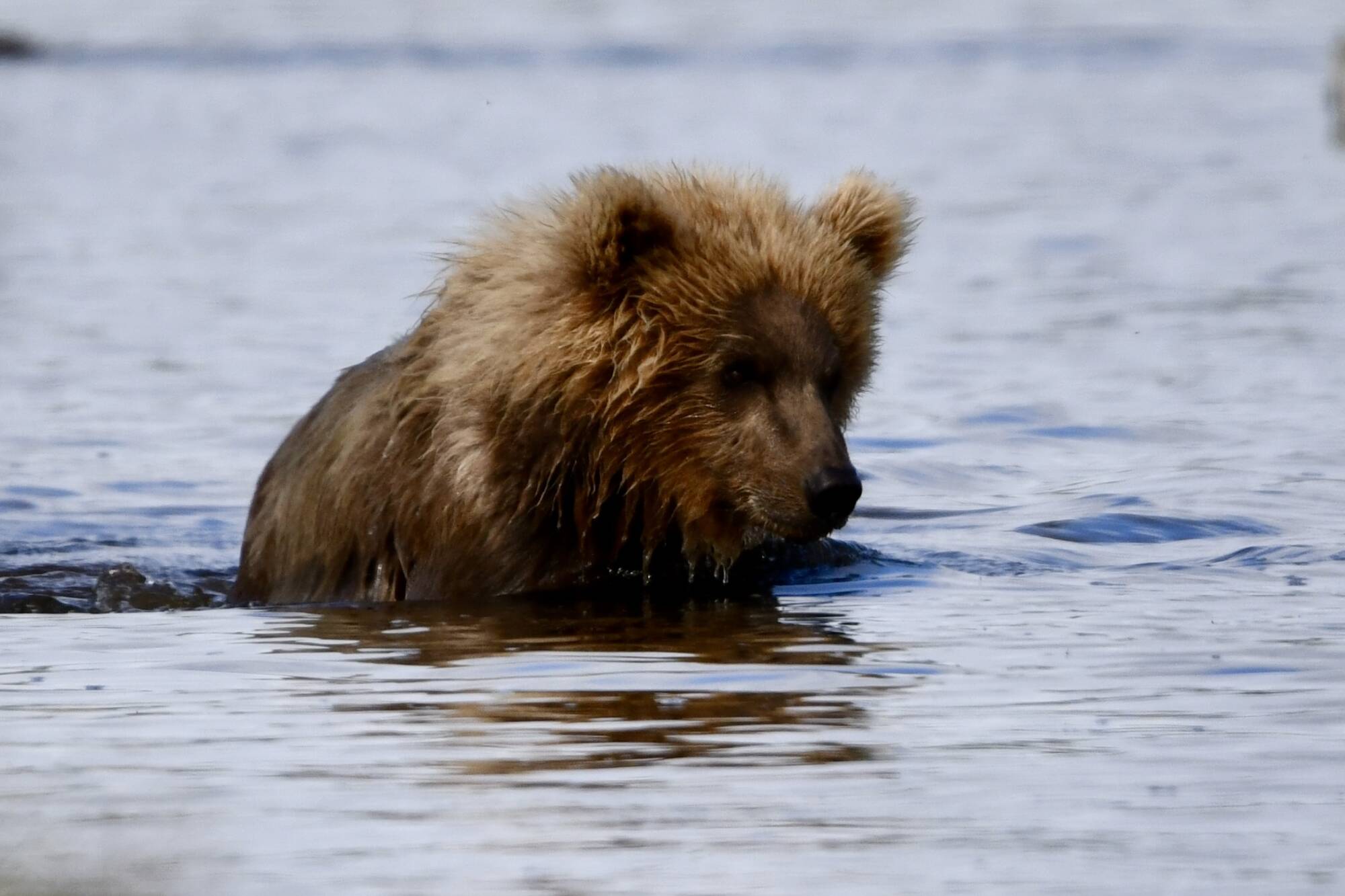
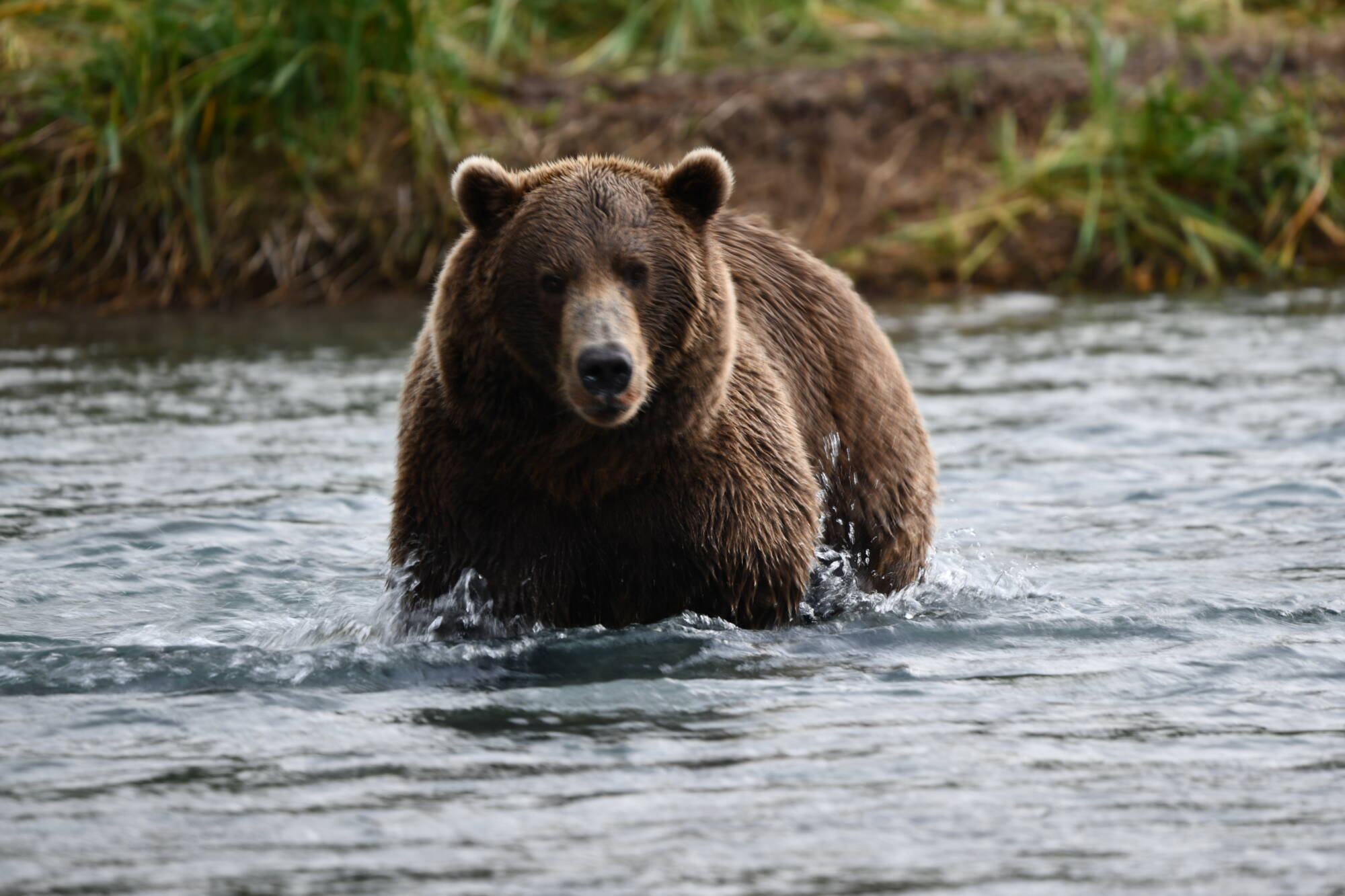
A coastal brown bear moves through shallow water during a wild Alaska bear viewing adventure from Homer.
A Fourth of July bear safari, Alaska-style, is not about crowded viewpoints or bus-stop sightseeing. It is about stepping into wild country at the height of summer, when bears are active, the landscape is fully awake, and long daylight hours give you more time to witness the real show. For travelers who want something bigger than a standard holiday trip, early July in Southcentral Alaska can deliver one of the most unforgettable wildlife days in North America.
Why a Fourth of July bear safari in Alaska stands out
Early July hits a sweet spot for bear viewing. Snow has pulled back from lower elevations, sedge flats are green, salmon season is beginning to build in some areas, and coastal bears are covering ground in search of food. That creates movement, and movement is what makes a bear safari feel alive.
The holiday timing helps for another reason. Many travelers already have a long weekend blocked off, which makes it easier to build a once-in-a-lifetime Alaska experience into a summer itinerary. Instead of spending the Fourth in traffic or on a packed beach, you can spend it flying across Cook Inlet, landing on a remote coast, and watching bears behave like bears – feeding, roaming, resting, sparring, and raising cubs in open country.
There is also a clear trade-off to understand. The Fourth of July is popular travel time in Alaska, so the best wildlife operators and limited-capacity departures can book early. If you want premium access and small groups, waiting until the last minute is usually a bad bet.
What you can expect from a Fourth of July bear safari in Alaska
The best trips start with access. In bear country, access shapes everything. A fly-in safari opens terrain that road-based visitors simply cannot reach, and that changes the quality of the day from the first minute.
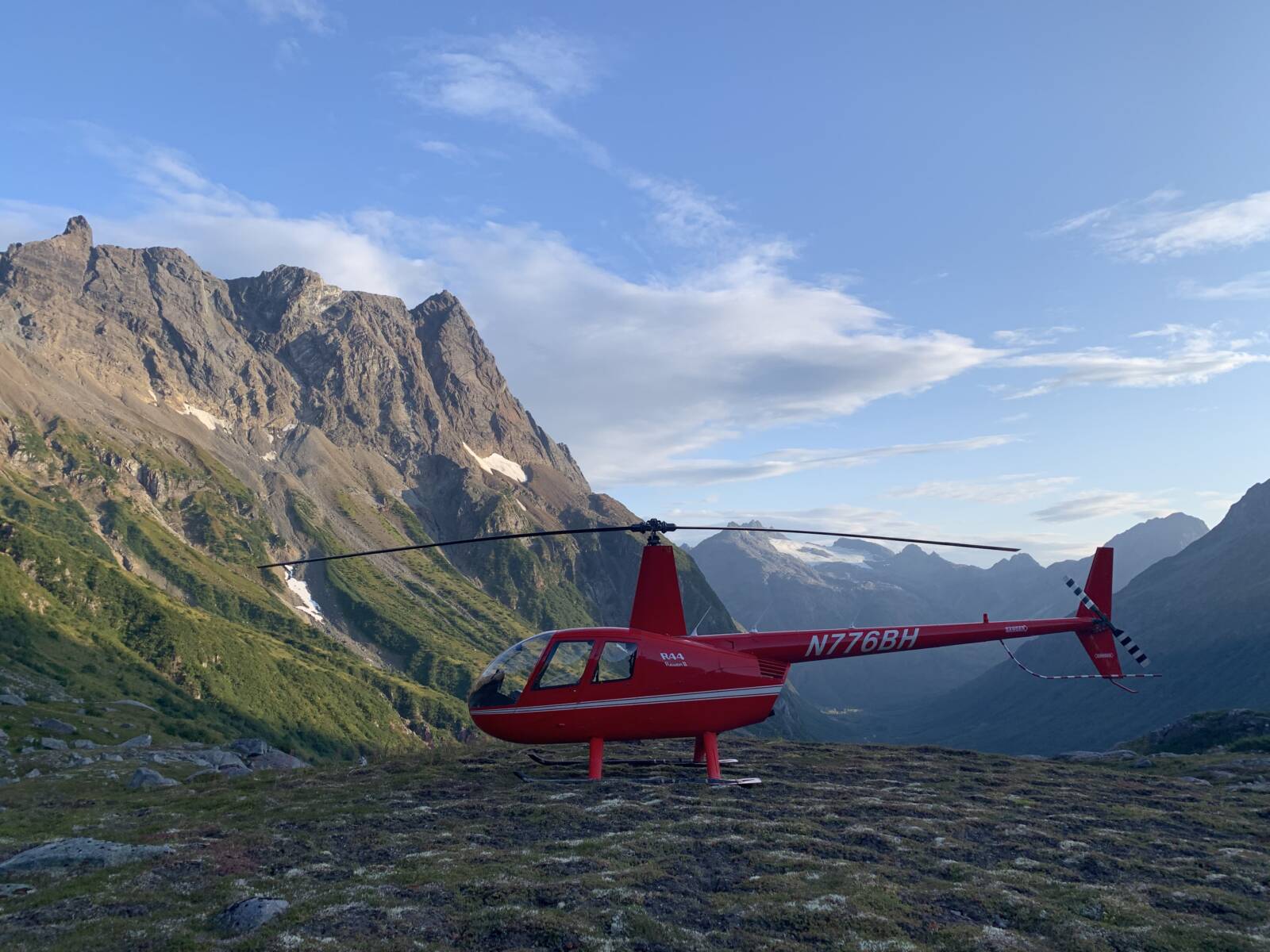
Out of Homer, the route itself is part of the experience. You lift off in a bush plane and trade pavement for glaciers, volcanoes, braided rivers, and miles of coastline. Depending on conditions and the day’s plan, landings may happen on beaches, lakes, or remote backcountry strips. That flexibility matters because bear viewing is rarely at its best when a tour sticks to one rigid script.
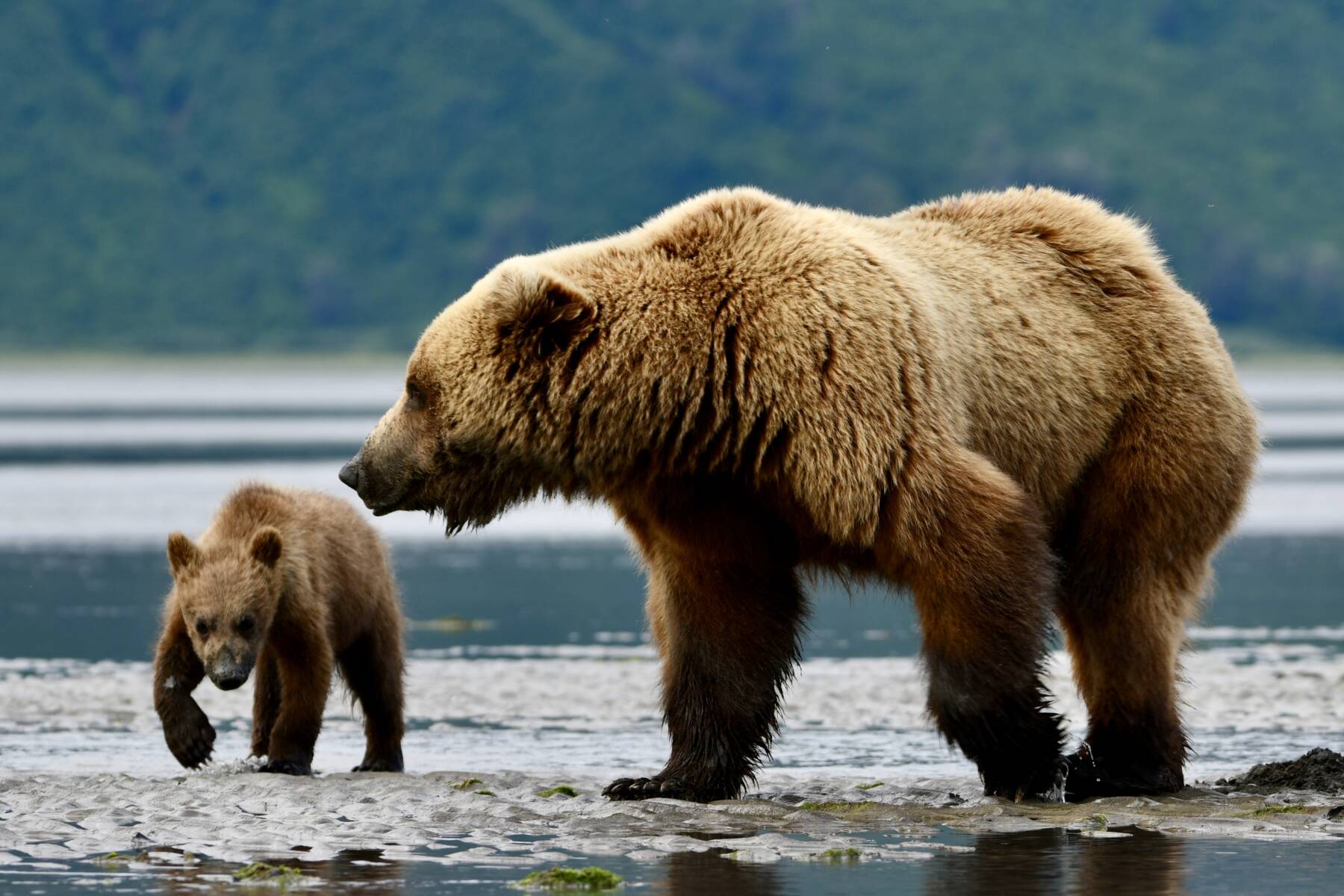
Once on the ground, the pace shifts. This is not a rush from one fenced platform to the next. In the right habitat, you may watch bears feeding along sedge meadows, walking estuary edges, or working tidal zones. Some groups encounter sows with cubs. Others see large boars traveling solo. Photographers often get the kind of clean, natural compositions they came for – bears in open landscapes, not wildlife boxed in by crowds.
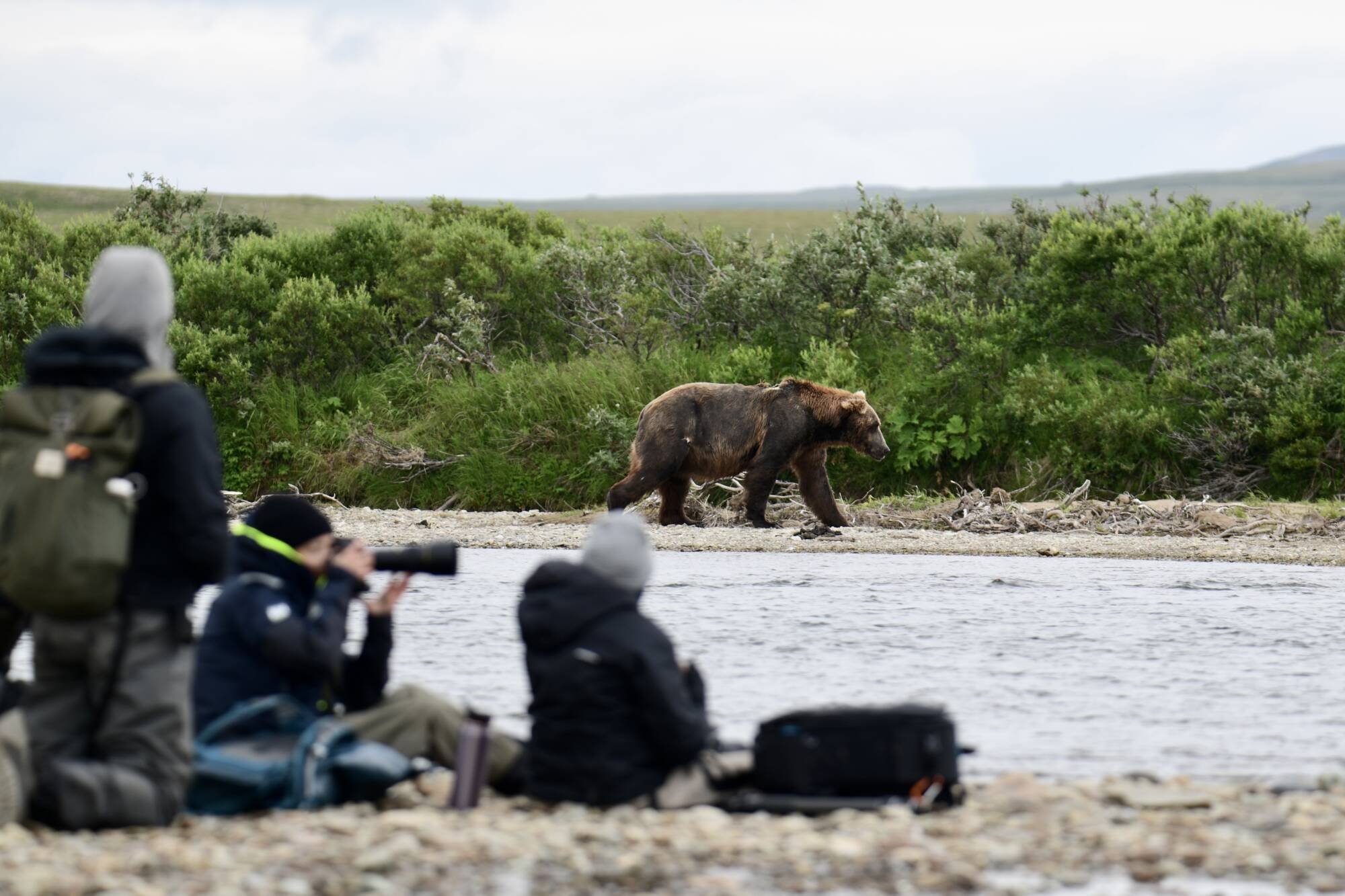
The strongest operators keep groups small for a reason. Small groups move better, stay quieter, and adapt more easily to weather, tides, and wildlife patterns. They also create a more personal experience. When you are standing on a remote beach with a guide who knows how to read bear behavior, every decision matters.
Why early July can be such a strong bear-viewing window
Bear viewing in Alaska is always seasonal, but early July has real advantages. Green-up is in full swing, and food sources are changing. In many coastal areas, bears are still using sedge flats heavily, and some will begin shifting attention toward fish as runs develop. That mix can create dynamic viewing.
It is not identical everywhere, and that matters. Some locations peak later for concentrated salmon action. If your only goal is to see bears shoulder-to-shoulder in a river, another part of summer may suit you better. But if you want a broad, wild experience with active bears in rich coastal habitat, the Fourth of July window is hard to beat.
Long daylight is another edge. Alaska’s summer light gives pilots and guides more flexibility, and it gives guests more usable time in the field. The result is less pressure and more opportunity to let the day unfold around real conditions instead of a tight clock.
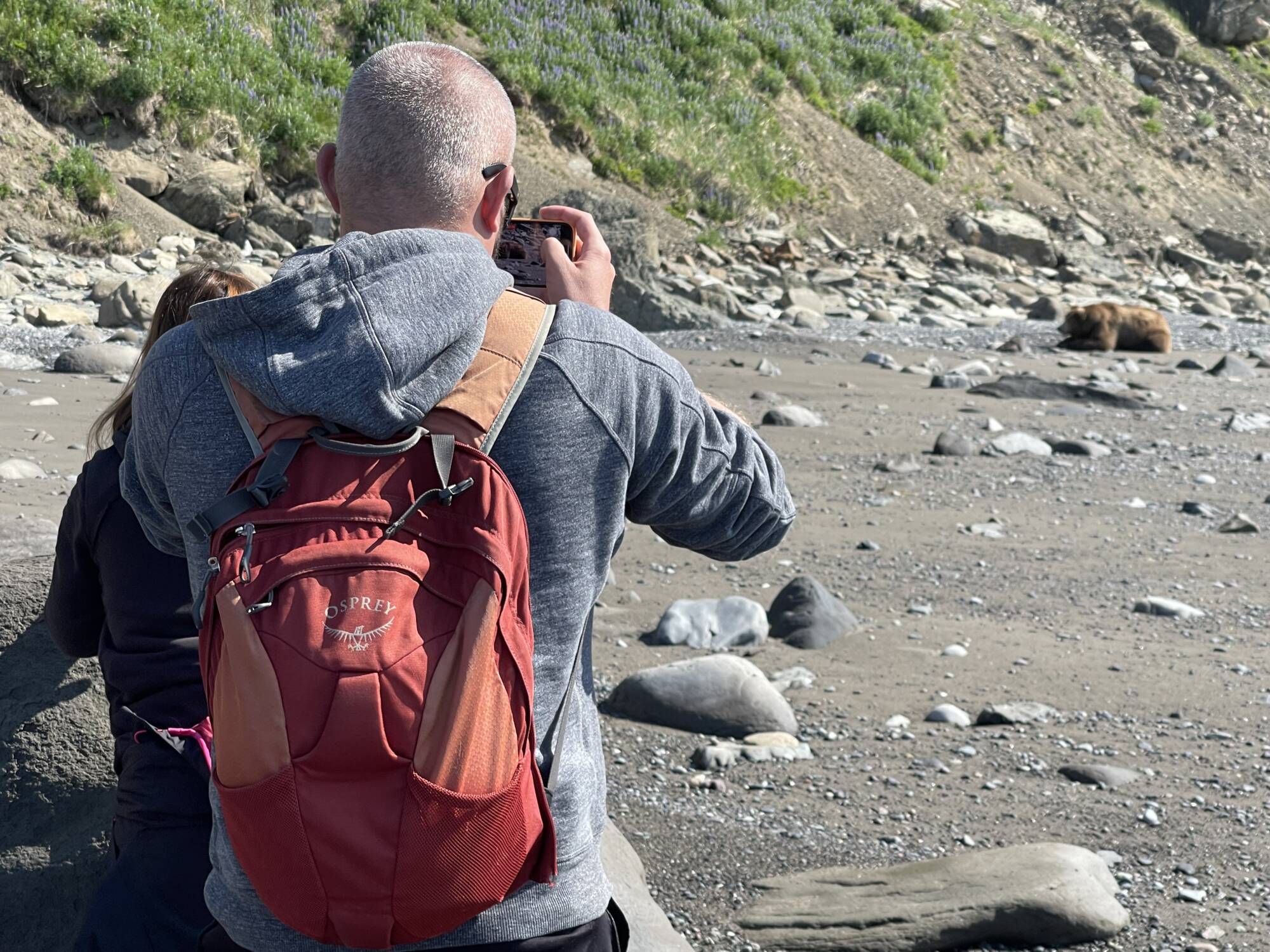
Guests experience coastal brown bears up close during a wild Alaska bear viewing adventure from Homer.
The premium difference: remote access over crowded viewing
Not all bear tours are built the same. Some are essentially sightseeing products with a wildlife element attached. You may get a scenic flight, a brief stop, and a heavily shared viewing area. For some travelers, that is enough. For others, it misses the point.
A premium safari is built around immersion. You are not just hoping to spot a bear from a distance and head home happy. You want time in habitat, room to move, guides with real field judgment, and routing that can adjust to where the action is best. That is where experienced operators separate themselves.
Remote access is not marketing fluff in Alaska. It is the difference between joining the line and stepping beyond it. Private and less-traveled lands, variable landing options, and multi-aircraft capability can create a day that feels uncrowded and intentional instead of processed. For travelers who have come all this way to witness the wild, that difference is worth paying for.
Safety, sightings, and the questions smart travelers ask
If you are thinking about a holiday bear trip, you should ask hard questions. How much experience does the operator have in bear country? What happens if weather shifts? Are groups kept small? Is the plan flexible, or are you locked into one viewing site regardless of conditions?
You should also think about the value of a sighting guarantee. In true wilderness, nothing is staged, and no ethical outfitter can control wildlife. But a company confident enough to stand behind its bear-viewing product is telling you something important about its operation, site selection, and consistency. Alaska Ultimate Safaris has built its reputation around that kind of confidence, along with more than two decades of experience and an exceptional safety record.
The weather question matters too. July is summer, but this is still Alaska. Marine layers, wind, and changing visibility can affect flight timing. A seasoned operator plans for that reality instead of pretending it does not exist. The best trips are not flawless because nature cooperates on command. They are exceptional because the team knows how to adapt.
Who this trip is best for
A Fourth of July bear safari is a strong fit for couples celebrating a milestone, families with older kids who are ready for a real wilderness day, photographers chasing clean wildlife encounters, and bucket-list travelers who want one signature Alaska experience instead of a string of average ones.
It is especially right for people who dislike crowds. If your idea of a great holiday is limited noise, open country, and a guide who can explain exactly why a bear is moving the way it is, this trip delivers. If you mainly want a casual scenic outing with minimal walking and no interest in wildlife behavior, a simple flightseeing tour may be enough.
That is the honest trade-off. A true bear safari asks for more intention, and it gives more back.
How to plan your Fourth of July bear safari in Alaska
The smartest move is to book early. Holiday dates compress demand, and the best small-group departures do not stay open long. If your Alaska trip includes Homer, give yourself flexibility around your safari day in case weather shifts the schedule.
Dress for changing conditions, not the forecast headline. Even on a bright July day, coastal Alaska can turn cool, wet, or windy fast. Layers, waterproof outerwear, and practical footwear matter more than vacation styling. A camera with reach is worth bringing, but many guests find the strongest moments happen when they lower it for a minute and simply watch.
It is also worth setting expectations the right way. You are not buying a scripted animal performance. You are entering living habitat with experts who know how to put you in the best possible position. That is exactly what makes the experience feel real.
Spend the Fourth where the country still feels unfinished. Trade the backyard routine for tidal flats, mountain walls, and the sound of a bush plane fading behind you. When a brown bear appears in the open and the whole landscape seems to stop for a second, the holiday takes care of itself.
Plan your bear safari
Ready for the next step?
Check live dates, talk with our Homer team, or ask which bear-viewing destination fits your travel window best.