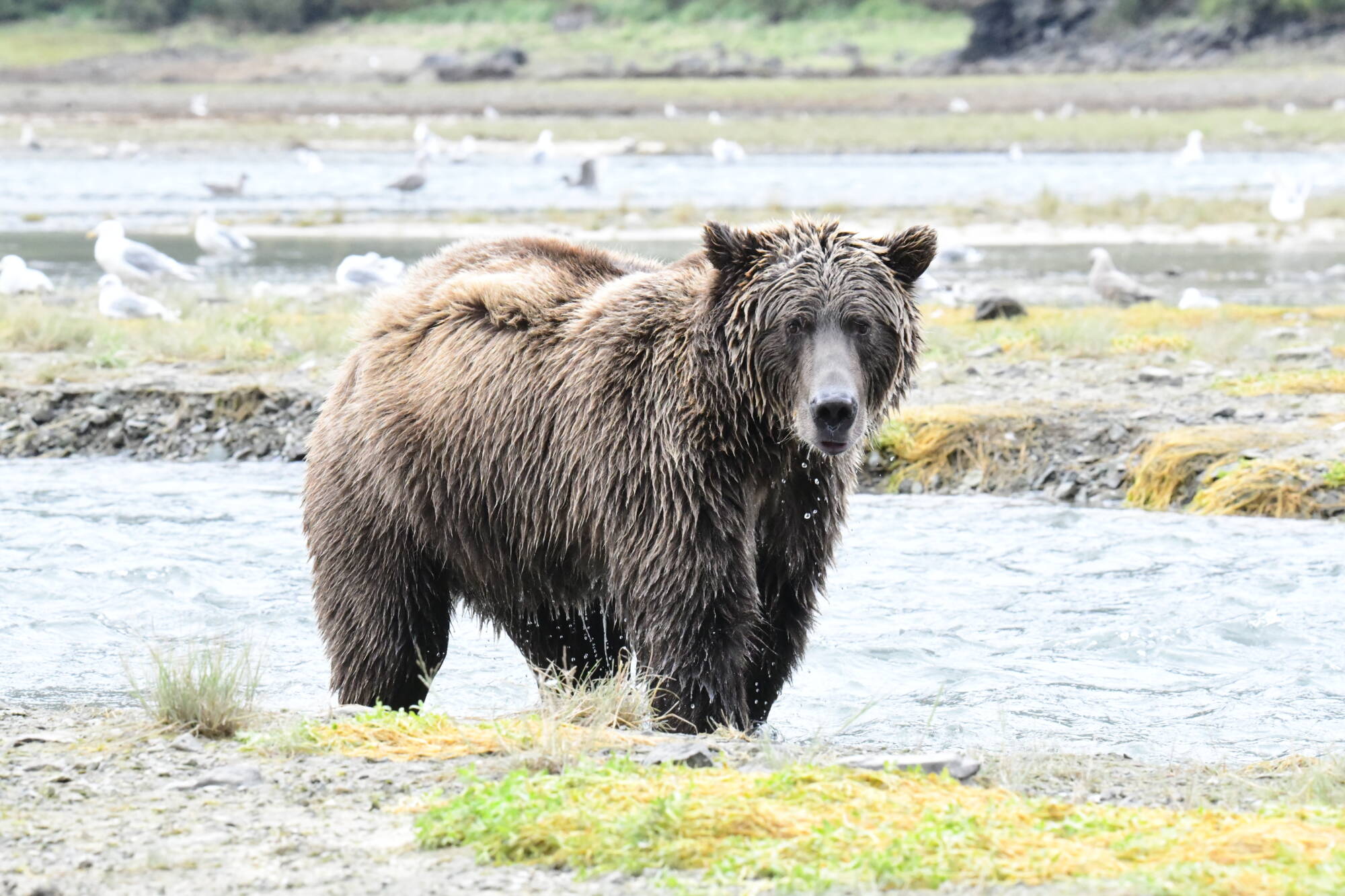
The first time you watch a giant brown bear step out of the sedges and own the shoreline, the usual travel math stops mattering. Flight times, packing lists, lodge transfers, camera settings – it all fades for a second. If you are wondering how to see bears in Katmai, the real answer is not just getting there. It is choosing the kind of access that puts you in the right country, at the right time, with the right guide, so the moment feels wild instead of staged.
Katmai is one of the most famous bear viewing destinations on earth for a reason. This is prime brown bear habitat – broad tidal flats, salmon-choked rivers, open meadows, and long coastal stretches where bears feed, roam, spar, and raise cubs in full view. But there is a big difference between technically visiting Katmai and actually having an exceptional bear experience. That difference comes down to timing, logistics, crowd levels, weather flexibility, and how remote you are willing to go.
How to see bears in Katmai without the crowds
Most travelers know Brooks Falls because they have seen the photos – bears stacked up at the waterfall waiting for salmon. It is iconic, and for many people it delivers exactly the image they came for. It is also the busiest bear viewing location in Katmai, especially in peak season.
If your goal is simply to check a box, Brooks can work. If your goal is to feel the scale of wild Alaska, watch bears spread out naturally across a landscape, and avoid spending your day in a high-traffic viewing corridor, you need a different approach. Katmai is vast. The best bear days often happen on remote beaches, tidal estuaries, and private or lightly visited areas reached by bush plane, sometimes with water or beach landings that open up terrain standard day trips do not touch.
That is the trade-off most visitors miss. The most famous spot is not always the most memorable one. A quieter bay with half a dozen feeding bears, no boardwalk bottleneck, and room to observe natural behavior can feel far more powerful than a crowded platform with a famous backdrop.
Timing matters more than most people think
If you want to know how to see bears in Katmai well, start with the season. Bears are present for a long stretch, but what you see changes through the summer.
In early summer, many bears are focused on sedge grasses, clams, and emerging food sources along coastal areas and meadows. This can be a fantastic time for photography and uncrowded viewing because bears are often spread across open ground and shorelines. The landscapes feel fresh, the light can be beautiful, and the overall experience is often quieter.
As summer advances and salmon runs build, bear activity shifts. In river systems and known fishing areas, you may see classic feeding behavior that draws travelers from around the world. This is when some visitors get the dramatic fish-catching scenes they came for. It is also when some locations see the heaviest pressure.
Later in the season, bears continue feeding hard as they prepare for winter. Depending on food availability and local conditions, some remote areas can still produce extraordinary viewing with fewer people. That is why rigid, one-size-fits-all itineraries are not ideal in Alaska. Weather, tides, salmon timing, and bear movement all affect where the best day will happen.
Getting there is part of the experience
Katmai is not a road-trip destination. You do not drive in, park, and wander off. Reaching quality bear country usually means flying, often from hubs such as Homer, King Salmon, or other access points depending on your trip design.
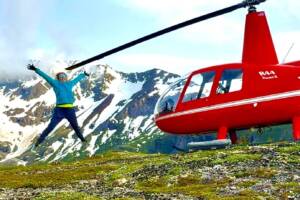
For travelers staying on the Kenai Peninsula, fly-out bear viewing is often the sweet spot. You leave the road system behind, cross enormous stretches of water and wilderness, and land directly where the experience begins. That flight is not a transfer. It is part of the reason this trip stays with people. Volcanoes, glaciers, braided rivers, wild coastlines – before you ever see a bear, Alaska has already made its case.
The type of aircraft and landing matters. Some operations are limited to fixed locations or standard airstrips. Others can use bush planes for beach and water landings, which opens more flexibility and often leads to a more remote day. That flexibility matters in bear country because the best viewing is not always at the most convenient place on the map.
Choosing the right bear tour
Not all Katmai bear tours are built the same, and this is where premium operators separate themselves fast.
A good tour gets you into bear habitat. A great tour reads conditions, pivots when needed, keeps group size small, and maximizes your time around active wildlife rather than around other tourists. If a trip is built like a conveyor belt, you will feel it. Fixed schedules, larger groups, rushed ground time, and limited route options tend to flatten what should be one of the most exciting wildlife experiences in North America.
Small groups matter for more than comfort. They move better, land faster, adjust more easily, and create a calmer field presence around wildlife. Experienced guides matter even more. In Katmai, guide judgment is not a luxury add-on. It is the backbone of a safe, respectful, and productive day.
This is also where guarantees can mean something. Alaska Ultimate Safaris has built its reputation around remote access, small-group flexibility, and guaranteed bear sightings or your money back. For travelers investing real time and money into a bucket-list Alaska trip, that level of confidence is not marketing fluff. It reflects operational experience and a deep understanding of where and how to put guests in front of bears.
What to expect on the ground
The best Katmai bear viewing does not usually feel like a zoo, and that is exactly the point. You may be walking on a beach, crossing open flats, or standing at a careful distance while bears feed, rest, dig, or move along the shoreline. The terrain can be wet, uneven, and exposed. Weather can turn quickly. Conditions are part of the authenticity.
That said, wild does not have to mean reckless. Professional bear viewing is built on spacing, body language awareness, route discipline, and constant reading of animal behavior. Good guides know when to stay put, when to shift, and when to leave an area alone. The result is an encounter that feels intimate but never careless.
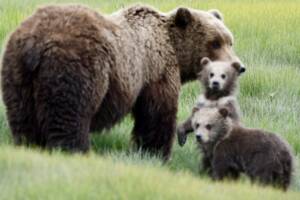
For many guests, one surprise is how emotional the experience can be. A sow moving with cubs through tall grass. A giant boar working a tidal edge. Two subadults sparring in the distance. These are not quick theme-park sightings. They are layered moments in a living landscape.
What to bring and how to prepare
You do not need expedition-level gear, but you do need to respect the setting. Waterproof layers, sturdy boots, and clothing that handles wind and rain are the baseline. Katmai rewards travelers who are prepared for real weather, not just optimistic forecasts.
If photography matters, bring the camera you are comfortable using quickly. Long lenses are useful, but remote coastal viewing can also create surprisingly close opportunities, so flexibility helps. Extra batteries are smart. Cold, damp conditions drain gear faster than people expect.
Mentally, the best preparation is to trade the idea of control for the promise of access. Bears are wild animals, not scheduled performances. Some days bring nonstop movement. Other days deliver long, quiet observation. The common thread is that a well-run trip puts you where genuine encounters can happen.
The biggest mistake travelers make
The most common mistake is shopping for Katmai bear viewing like it is a commodity. Same park, same bears, same day rate – must be basically the same trip, right? Not even close.
In Alaska, access is the product. So is flexibility. So is guide experience. So is the ability to avoid crowded choke points and adapt to conditions as they change. A cheaper trip to a famous location may look similar on paper, but the feel of the day can be completely different.
This is especially true for couples, families, photographers, and once-in-a-lifetime travelers who want something beyond a quick look from a busy platform. If your vision of Alaska includes wild space, not just a wildlife checklist, then the operator and route matter as much as the destination.
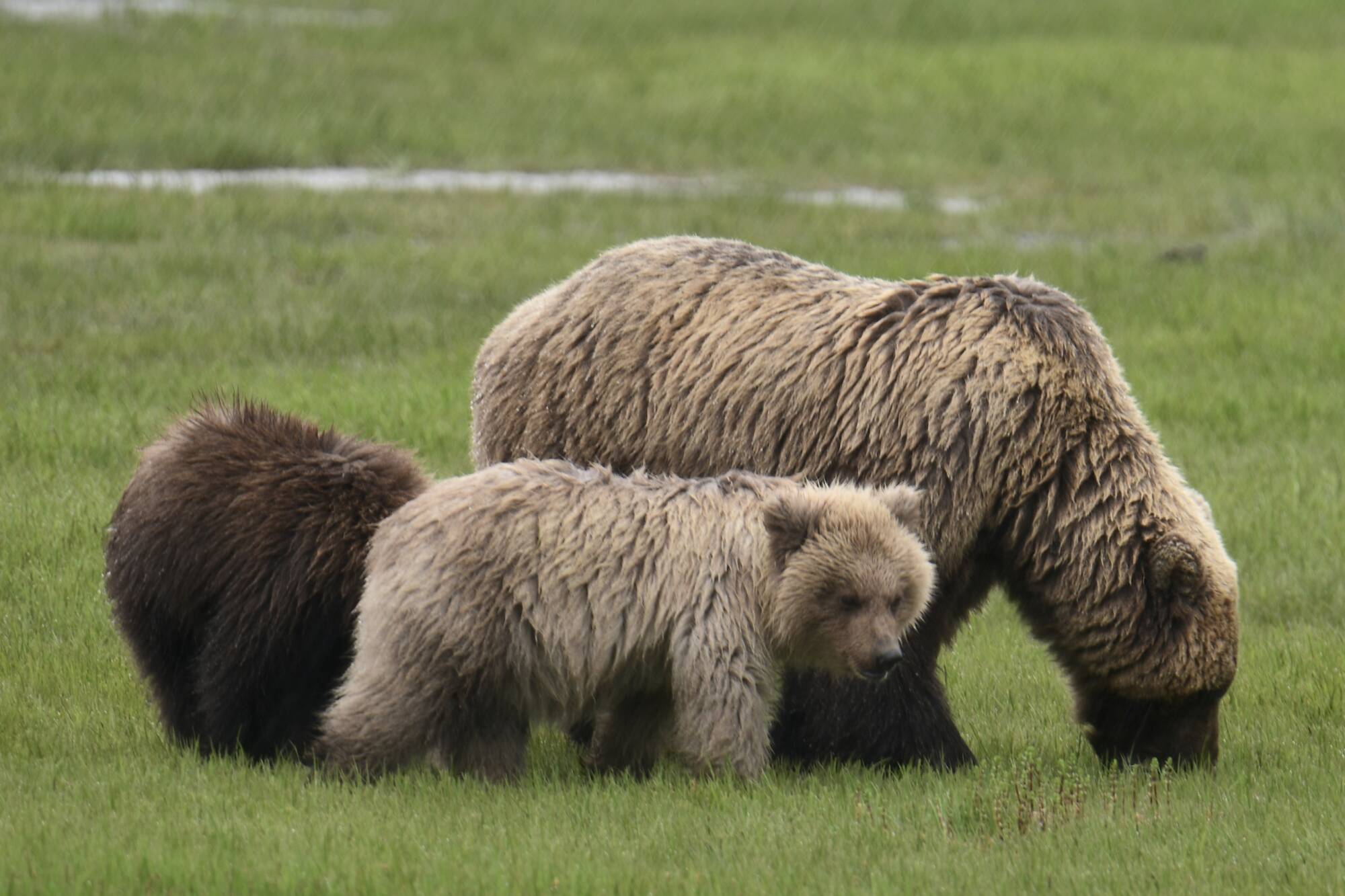
A mother brown bear grazes with her cubs during an Alaska bear viewing safari.
How to make the most of your Katmai bear trip
Give yourself permission to choose quality over volume. One extraordinary day in the right place can outperform a rushed multi-stop itinerary. Build in weather flexibility if you can. Listen closely to your guide. And when the bears appear, put the camera down for a few seconds now and then.
There are places in Alaska that still feel bigger than tourism. Katmai is one of them – if you experience it the right way. The goal is not just to see a bear. It is to stand in true bear country, feel the scale of the land, and come home knowing you witnessed the wild on its own terms.