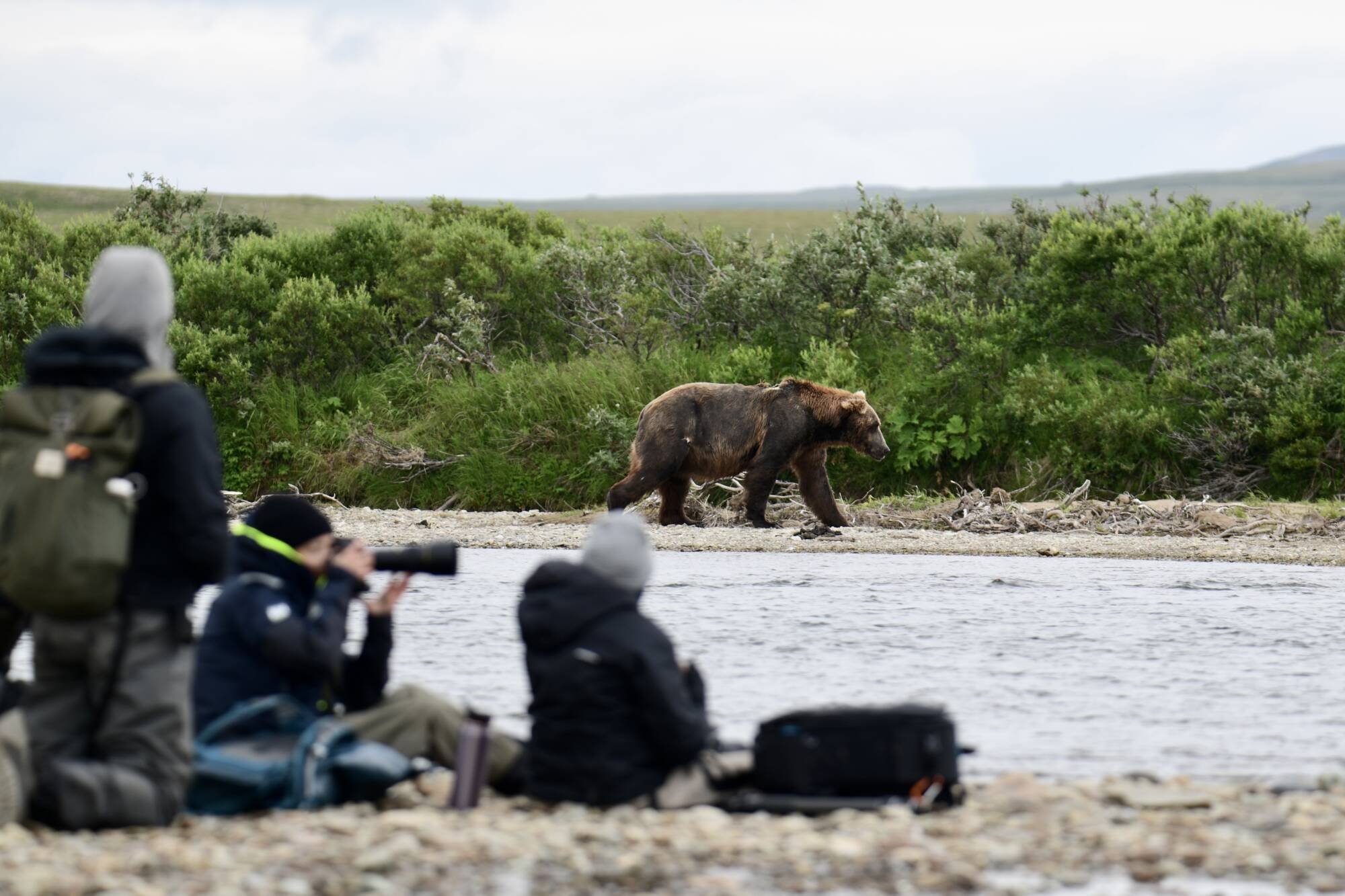
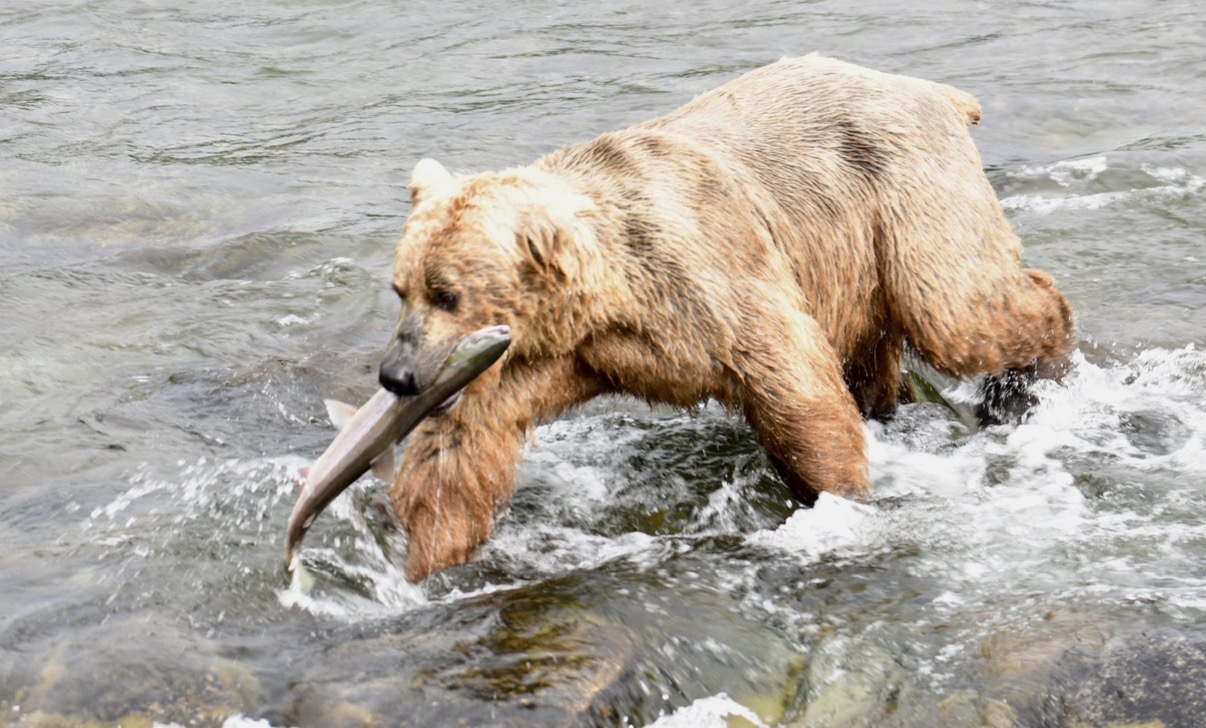
One minute you are skimming over braided rivers in a bush plane. The next, the engine is quiet, the wind is moving through the grass, and a brown bear is walking the shoreline as if no one else exists on earth. That is bear viewing at its best – not crowded platforms, not a rushed photo stop, but a real encounter in wild Alaska.
For travelers who have dreamed about seeing bears for years, the difference between a good day and an unforgettable one usually comes down to access. Alaska is full of wildlife tours, but not all of them deliver the same kind of experience. If you want space, flexibility, and the kind of setting that makes the hairs on your neck stand up, it pays to understand what separates premium bear trips from standard sightseeing.
What makes bear viewing worth the trip
People come to Alaska for scale. Massive coastlines, active volcanoes, glaciers, tidal flats, and country so wild it still feels unfinished. Brown bears belong in that landscape. Seeing them where they feed, dig, roam, and raise cubs gives the whole place a pulse.
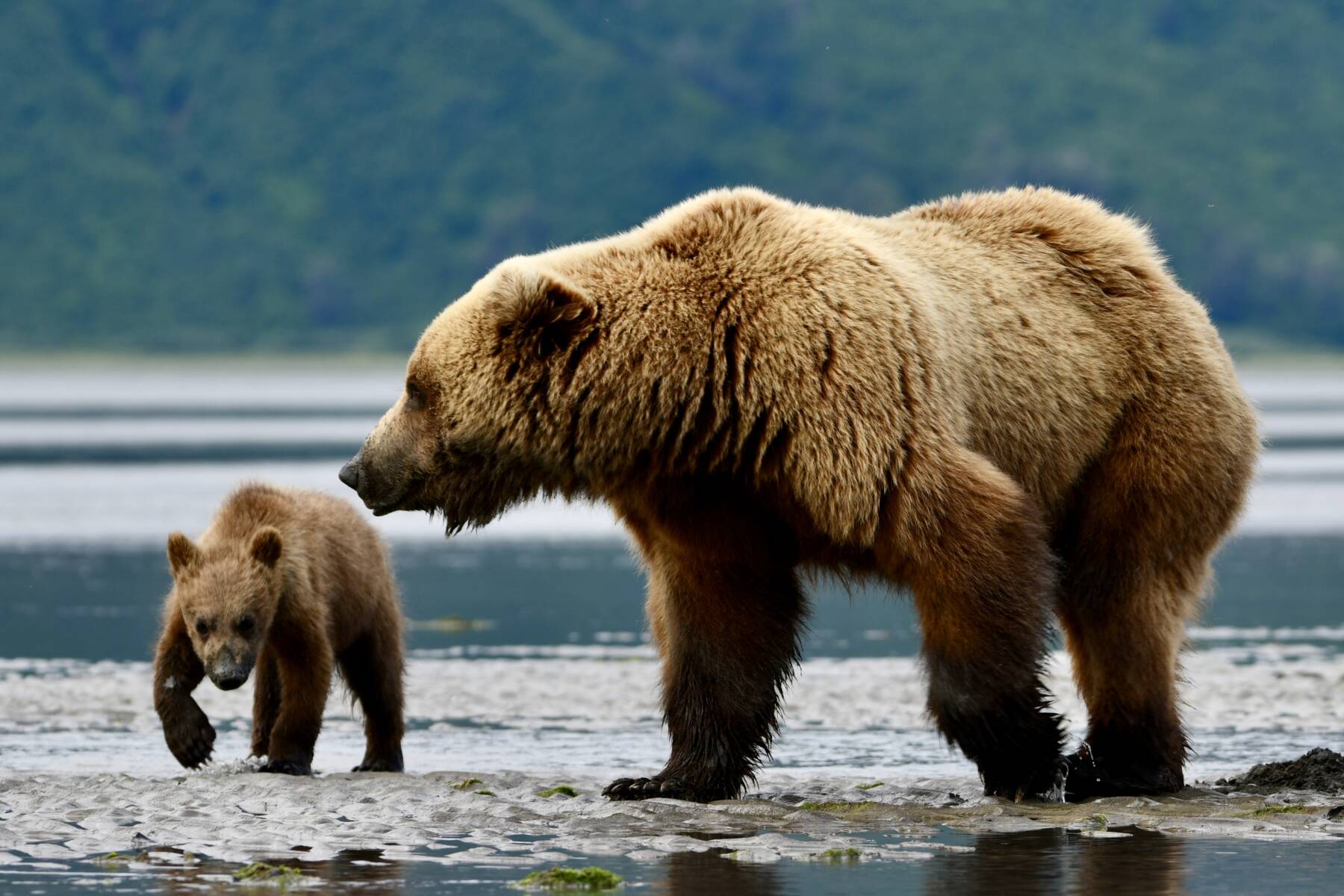
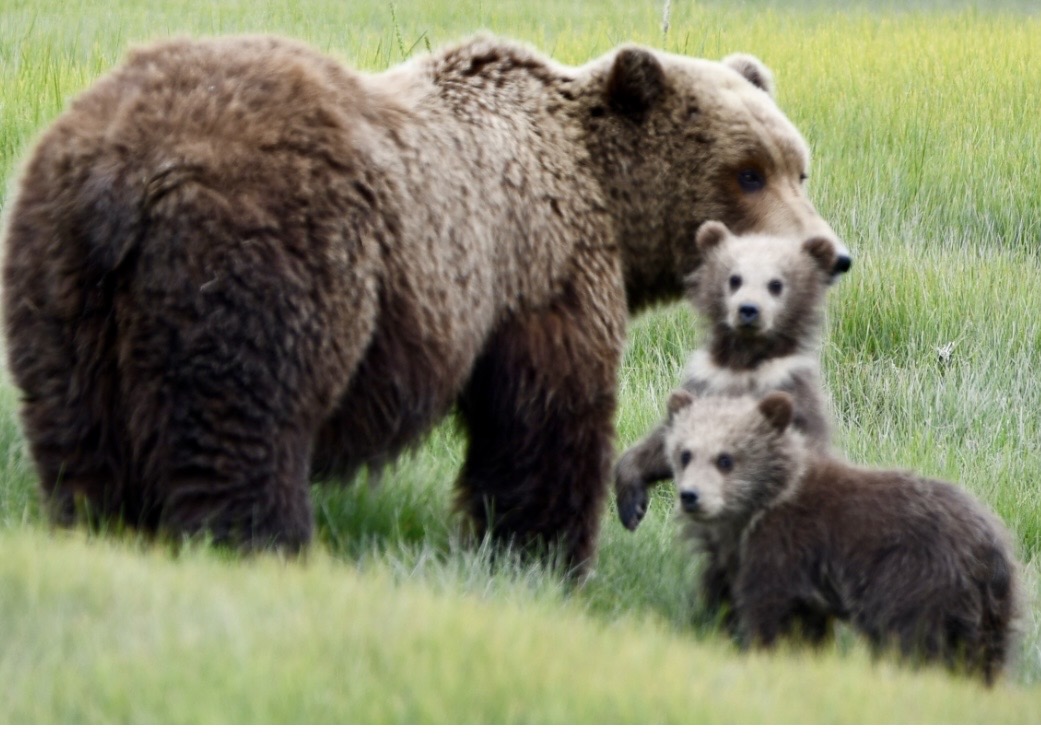
The best bear viewing is not just about checking a species off a list. It is about watching behavior unfold naturally. A sow keeping her cubs close in open sedge meadows. A large boar moving with complete confidence along a salmon stream. Young bears testing boundaries on the beach while gulls circle overhead. These moments stay with people because they feel unscripted and real.
That is also why location matters so much. Katmai and Lake Clark National Park are famous for a reason. These ecosystems support high concentrations of coastal brown bears, and the landscape gives skilled guides room to position guests safely while still creating a close, clear, emotionally charged experience.
Bear viewing in Alaska is not one-size-fits-all
A lot of travelers assume every bear tour offers roughly the same thing. It does not. Some trips are built for volume. They move a lot of people through well-known sites on a fixed schedule and depend on the same viewing areas day after day. That can work if your only goal is to say you saw a bear. It is less appealing if you want quiet, flexibility, and a stronger sense of being out in the real Alaska.
A more premium approach starts with small groups and adapts to conditions. Weather shifts. Tides matter. Bear movement changes throughout the season. The right route on one day may not be the right route on the next. Operators with the right aircraft, landing options, guide judgment, and local experience can adjust instead of forcing everyone into a rigid plan.
That flexibility matters more than most people realize. Sometimes the best action is on a remote beach reached by water landing. Sometimes it is inland in broad meadows where bears are grazing. Sometimes a change in wind or visibility makes one area less productive and another far better. Good bear viewing is part wildlife knowledge, part backcountry logistics, and part knowing when to change course.
Why remote access changes the whole experience
The word remote gets overused in travel. In Alaska, it should mean something. It should mean stepping into country without roads, without noise, and without a crowd clustered around the same angle for the same photo.
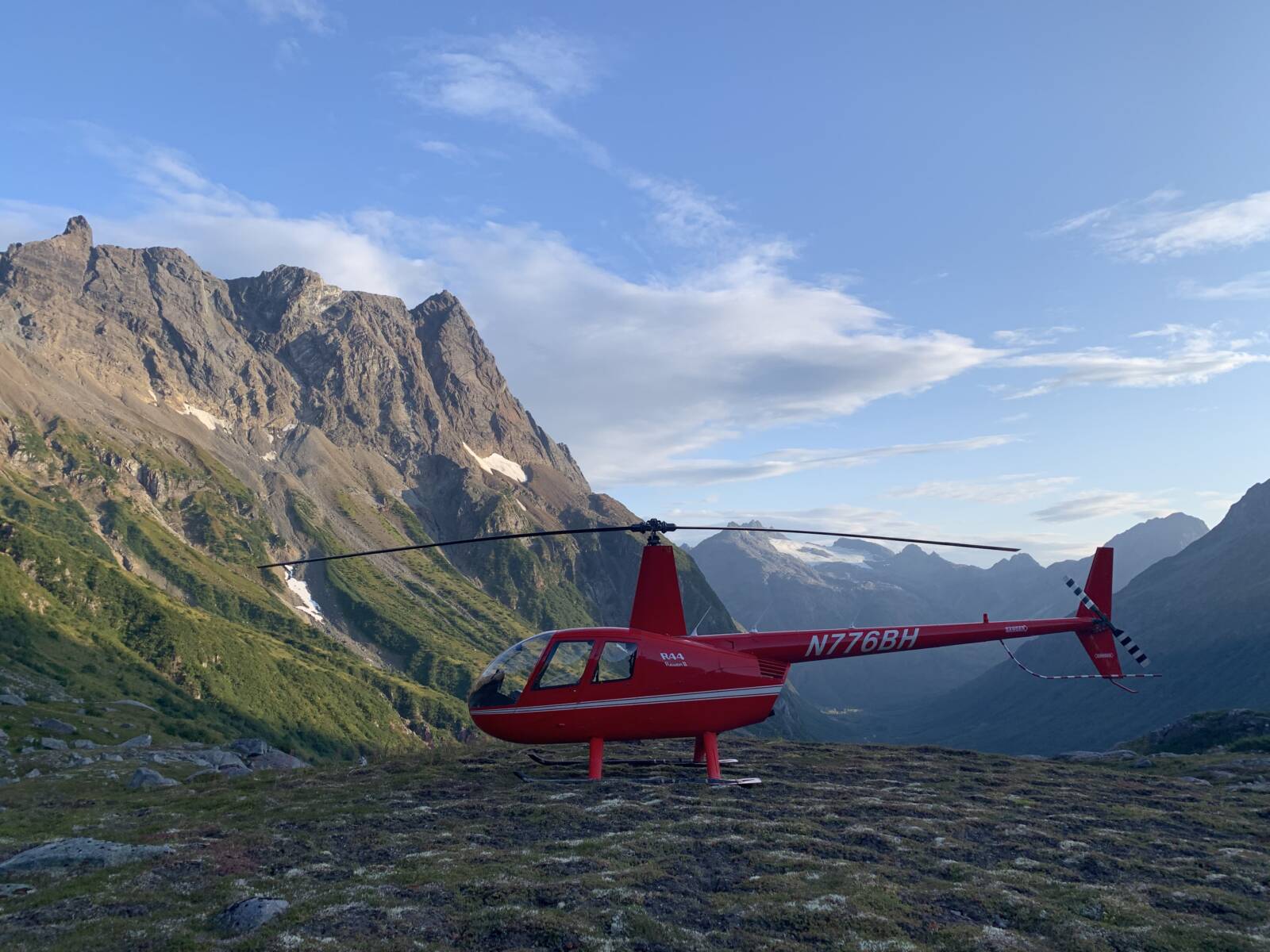
That is where fly-in safaris stand apart. Bush planes open up terrain most visitors never reach. Water and beach landings expand the options even further. In the right hands, that access creates a day that feels personal rather than packaged.
Remote access does not just make the scenery better. It often improves the wildlife encounter itself. Bears in less pressured areas tend to move more naturally. You are not sharing the moment with a line of spectators. You can hear the surf, the gulls, the splash of a paw in shallow water. The experience becomes less about viewing wildlife from the outside and more about being fully present in their world.
For many travelers, that is the moment the trip becomes worth every mile.
Safety is the foundation of great bear viewing
There is nothing premium about unnecessary risk. The best operators make wild places feel accessible because they have done the hard work behind the scenes – aircraft standards, route planning, terrain knowledge, weather judgment, and clear field protocols around bears.
That means guides who know how to read animal behavior and position a group calmly. It means keeping group sizes manageable so no one gets scattered or confused. It means understanding when to wait, when to move, and when a different landing area will produce a better and safer outcome.
Travelers often worry that remote bear country will feel intimidating. In practice, it usually feels the opposite when the trip is run well. You stop thinking about logistics because someone capable is already ahead of them. That frees you to absorb the experience instead of second-guessing it.
For photographers, couples celebrating a major trip, or families investing in a once-in-a-lifetime outing, that peace of mind matters. So does a proven record. Experience is not a marketing extra in Alaska. It is part of the product.
When is the best time for bear viewing?
It depends on what kind of experience you want. Early and mid-summer often bring lush green feeding areas, active bears on sedge flats, and long daylight that gives the whole landscape a vivid, cinematic feel. Later in the season, salmon runs can create dramatic viewing along rivers and streams, with bears focused on fishing and feeding heavily before winter.
Neither window is automatically better. Green-season viewing often feels expansive and quiet, with bears spread across broad landscapes. Salmon-season viewing can deliver concentrated action and iconic behavior. The trade-off is that timing, weather, and food sources all influence where the best encounters happen.
That is another reason to choose an outfit built around flexibility rather than a single fixed stop. Wildlife does not care what the brochure promised for 10:30 a.m.
What to look for when choosing a bear viewing trip
Start with group size. Smaller groups are not just nicer – they are more nimble, quieter in the field, and generally better for both safety and the quality of the encounter.
Next, look at access. A true fly-in safari with the ability to use varied landing environments can open areas standard operators simply do not reach. That often means fewer people and more dynamic routing.
Then look at the operator’s confidence level. A company willing to stand behind sightings tells you something about both experience and planning. In a place as wild as coastal Alaska, no one controls nature. But seasoned operators know how to stack the odds strongly in your favor.
Finally, think about the kind of memory you want to take home. If you picture yourself shoulder to shoulder with a crowd, a standard trip may be enough. If you picture hearing your own footsteps on a remote beach while a brown bear moves across the tidal flats under a volcano, you are looking for something more specialized.
That is where Alaska Ultimate Safaris has built its reputation – small groups, extraordinary access, and bear encounters that feel wild instead of staged.
Bear viewing rewards travelers who choose quality over convenience
The cheapest or easiest option is not always the one you remember. In Alaska, convenience often comes with compromise: more people, less flexibility, narrower access, and a shorter leash on the experience.
A premium bear trip costs more because it delivers more. More room to adapt. More time in places that matter. More confidence in the pilots, guides, and logistics. More of that rare feeling that you have stepped beyond the ordinary tourist circuit and into a landscape that still answers to weather, tides, and wildlife.
That is what many travelers are really after, even if they do not say it at first. Not just a bear sighting, but a story with weight behind it. A day that feels earned. A moment so vivid you can still hear the water and smell the salt air months later.
If bear viewing is on your Alaska list, choose the trip that gives the experience room to become unforgettable.
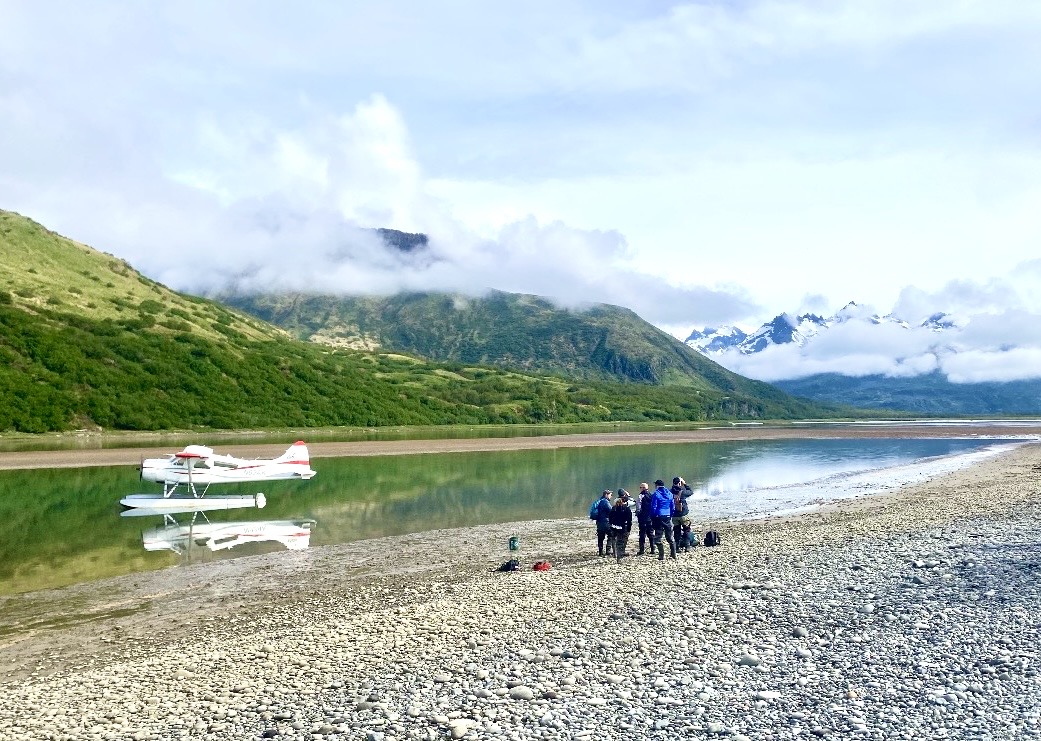
Guests arrive by air for a remote Alaska bear viewing adventure with Alaska Ultimate Safaris.
Plan your bear safari
Ready for the next step?
Check live dates, talk with our Homer team, or ask which bear-viewing destination fits your travel window best.