You can spot a tourist trip in Alaska from a mile away – packed schedules, crowded viewpoints, and just enough wilderness to say you saw it. Alaska safari tours should feel nothing like that. If you came north to watch brown bears feed on a remote coast, land on a glacier, or step into country that still feels untamed, the standard bus-and-boat formula is not the trip you want.
The difference starts with access. In Alaska, the most unforgettable wildlife and landscape encounters rarely sit beside the road. They happen across Cook Inlet, along tidal flats, on volcanic terrain, and deep inside national park country where bush planes, skilled pilots, and flexible routing matter as much as the guide beside you. That is where a true safari earns the name.
What Alaska safari tours should actually include
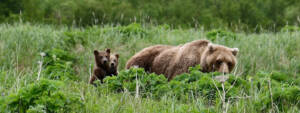
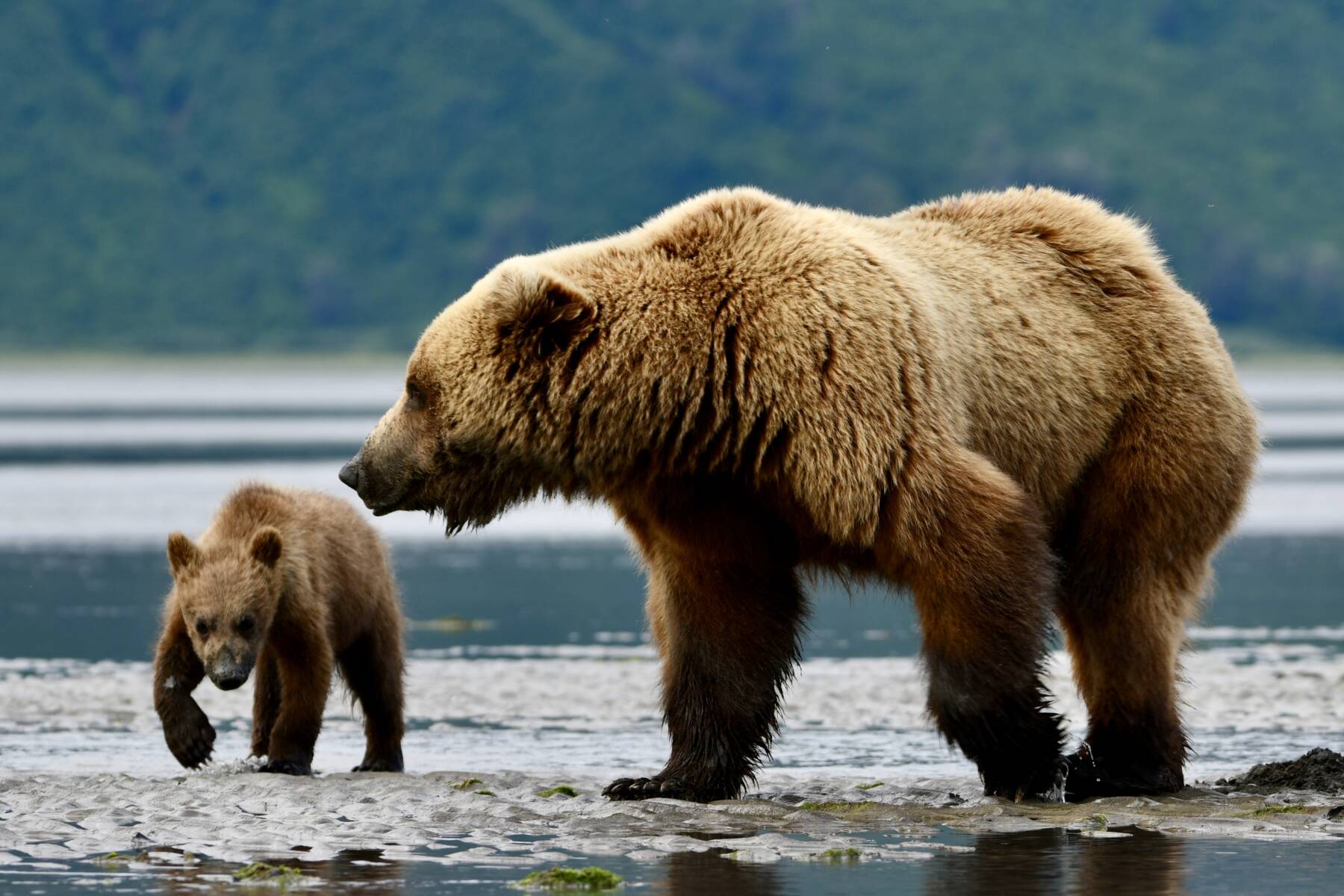
mother brown bear and her cubs along the wild Alaska coast during a bear viewing adventure from Homer.
A real safari is not just sightseeing with a bigger price tag. It is a guided, purpose-built journey into habitat where wildlife moves on its own terms and the day adapts to conditions on the ground. In Alaska, that often means flying from Homer into Katmai or Lake Clark, landing on a beach or lake, and traveling in very small groups with the freedom to shift locations when weather, tides, or animal movement changes.
That flexibility matters more than most travelers realize. Brown bears are not props, and Alaska weather does not care about a fixed itinerary. The best operators build trips around those realities instead of pretending every day will run like a city tour. When a safari can pivot, guests usually get better wildlife viewing, better pacing, and a stronger sense that they are in the real Alaska rather than a polished version of it.
The strongest Alaska safari tours also combine ambition with restraint. You want dramatic access, but you do not want a rushed checklist. A good day in the field leaves room to watch a sow and cubs work a sedge meadow, to wait for the right light on a glacier, or to stand still long enough for the landscape to stop feeling like a backdrop and start feeling alive.
Why small-group Alaska safari tours stand apart
If your goal is intimacy with the landscape, group size changes everything. A small group moves faster, lands easier, and creates less noise around wildlife. It also changes the emotional texture of the trip. Instead of competing for window seats, camera angles, or the guide’s attention, you get space to be present.
For photographers, that means fewer elbows and more time on the subject. For couples and families, it means the day feels personal rather than processed. For anyone investing serious money in a bucket-list trip, it means your safari is built around the experience itself, not around moving volume.
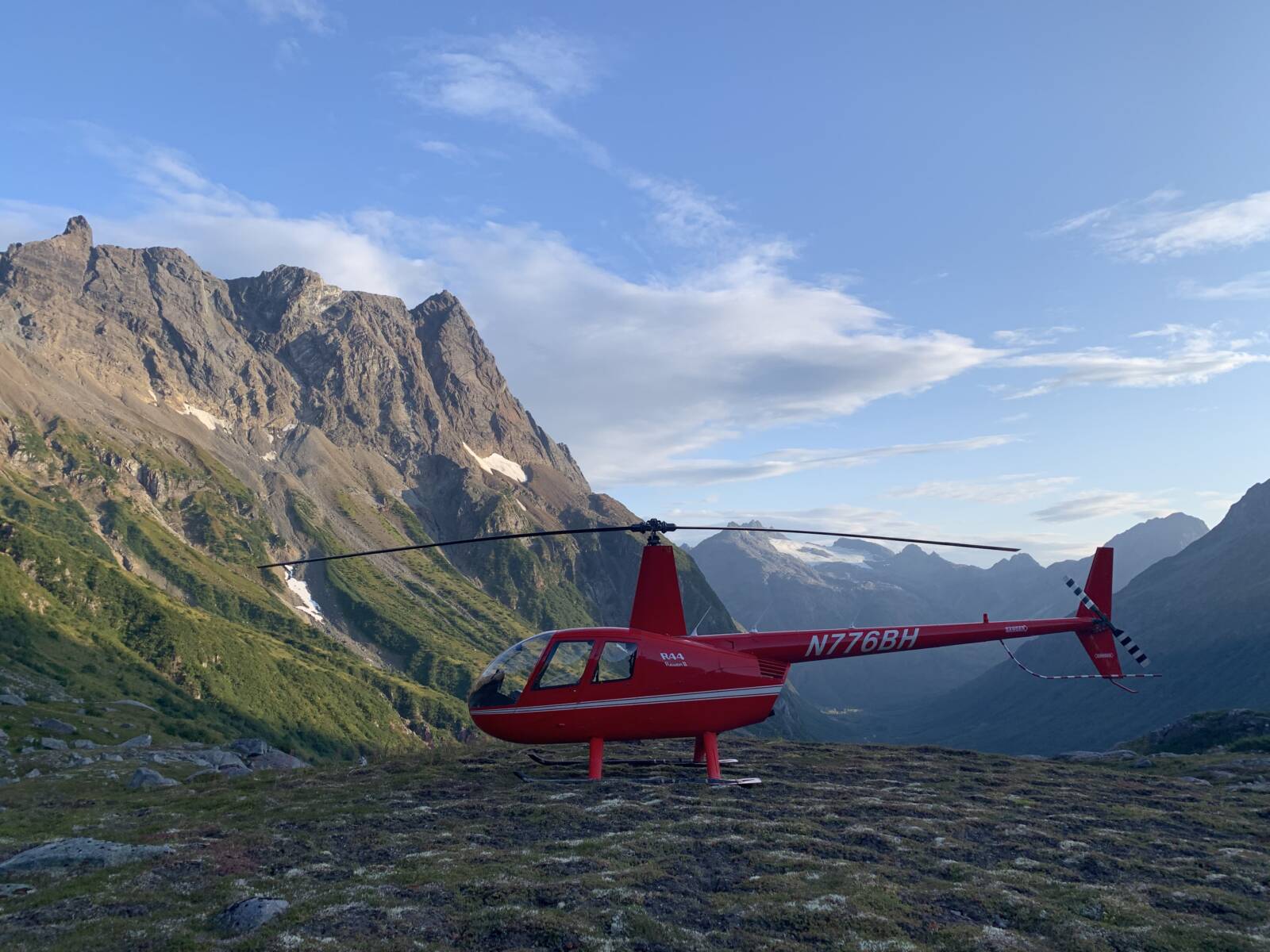
Premium does not just mean nicer marketing. It should mean fewer people, stronger guiding, smarter logistics, and access to places that larger operators simply cannot use well. Water landings, beach landings, helicopter segments, and remote private lands are not gimmicks when they open country that would otherwise stay out of reach. They are part of what turns a scenic tour into a wilderness encounter.
Bear viewing is the standard most travelers care about
For many guests, the phrase alaska safari tours really means one thing: Will I see bears, and will it feel wild when I do?
That is the right question. Alaska offers many beautiful excursions, but bear viewing is where the quality gap between operators becomes obvious. Some trips technically include bears yet rely on luck, distance, or crowded public viewing areas. Others are designed from the ground up around habitat knowledge, seasonal timing, air access, and backup options that raise the odds dramatically.
If bear viewing is your priority, ask how the day is built. Are you flying to prime bear country or simply hoping to encounter wildlife along the way? Can the route change based on current activity? Is the group small enough to move quietly and position safely? Does the operator have the experience to read conditions and make sound decisions in remote terrain?
The best outfits answer those questions with confidence because they have years in the field, not just a nice brochure. Alaska Ultimate Safaris, for example, has built its reputation around premium fly-in access, small-group flexibility, and guaranteed bear sightings or your money back. That kind of promise only works when the operation behind it is disciplined, experienced, and honest about what it takes to deliver.
Not every safari should be all bears, all day
Brown bears may be the headline, but the strongest Alaska trips often layer in more. One day might bring coastal bear viewing and the next a glacier landing. Another might trade green tundra for black volcanic slopes, steam vents, and the stark drama of Alaska’s active geology. For travelers making a once-in-a-lifetime trip, combination experiences often create the richest story.
That said, more is not always better. If your main goal is serious wildlife photography, a highly focused bear safari may serve you better than an itinerary with too many moving parts. If you are traveling as a family or celebrating a milestone, a mixed adventure can balance wildlife intensity with scenic variety. It depends on why you are coming and what memory you most want to bring home.
This is where good operators separate themselves again. They do not push the same package on everyone. They ask what kind of experience you want, then match the trip to the season, your comfort level, and the kind of access that will make the day feel worth the investment.
What to look for before you book Alaska safari tours
The glossy photos are easy. The real test is operational substance.
Start with safety. Remote Alaska is spectacular because it is still wild, and that means experience is not optional. Bush flying, weather calls, beach landings, wildlife protocols, and field judgment all matter. Look for operators with a long track record and a clear safety culture, not vague language.
Then look at crowd levels. A safari loses its edge when you spend the day in a line of people waiting for a wildlife moment. Small groups are not just a luxury feature. In Alaska, they are often the difference between observing and merely attending.
Finally, pay attention to how access is described. If the itinerary sounds generic, it probably is. The best Alaska safari tours tell you why their route is special – private land permissions, fly-in only terrain, flexible destination choices, and the ability to reach remote habitat beyond the usual sightseeing circuit.
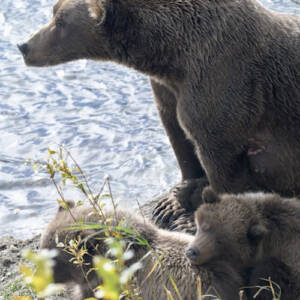
A mother brown bear and cub seen during a remote Alaska bear viewing adventure from Homer.
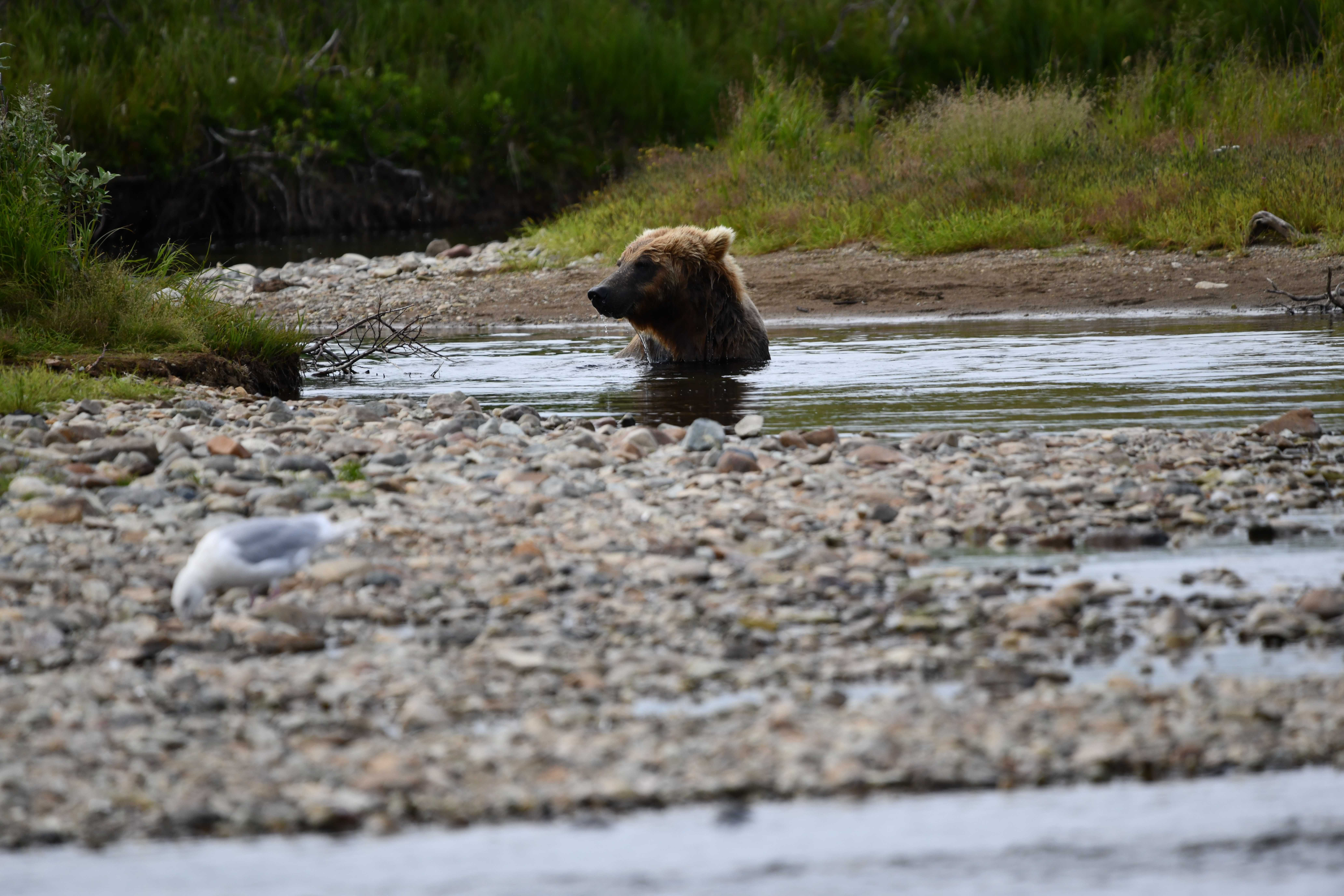
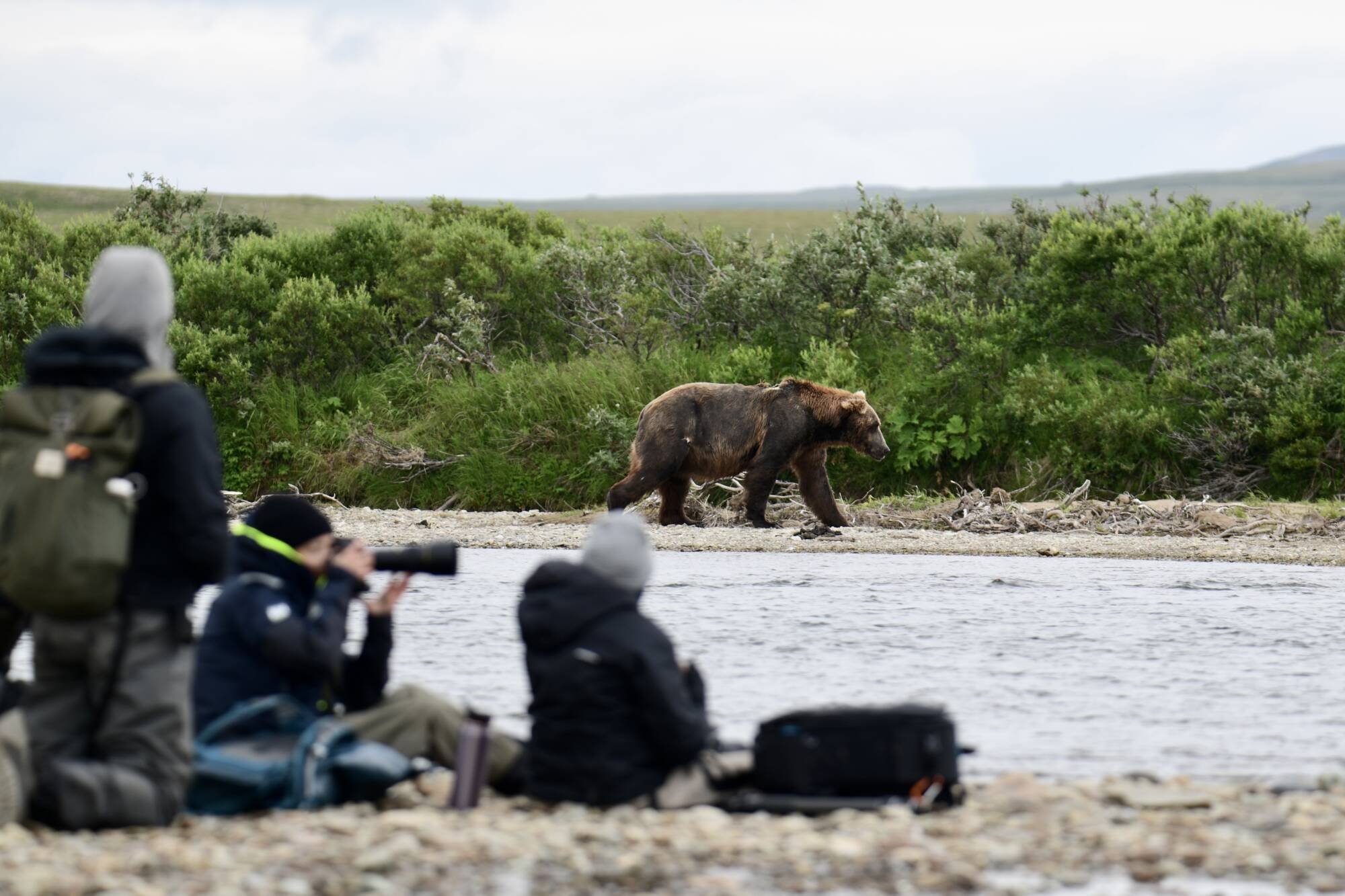
A brown bear walks across a remote Alaska beach during a bear viewing adventure from Homer.
The premium question: is it worth it?
For the right traveler, yes. Premium safari pricing in Alaska is not about adding polish to an ordinary day. It reflects aircraft logistics, specialized guiding, limited group sizes, remote landings, and the skill required to operate well in difficult country. You are paying for access, judgment, and a far better shot at the kind of encounter people talk about for years.
That does not mean every traveler needs the highest-end trip. If your priority is simply to get out on the water and enjoy Alaska scenery, there are plenty of solid options at lower price points. But if your dream is to walk a remote beach while brown bears feed in the distance, hear nothing but wind and surf, and feel like you reached a corner of Alaska few people ever touch, cheaper alternatives usually miss the mark.
The trade-off is straightforward. Premium safaris cost more, but they often waste less of what matters most on a trip like this: your time, your access, and your chance to experience the wild on its own terms.
Choosing the right season for Alaska safari tours
Timing changes the character of the trip. Early and mid-summer can bring lush landscapes, active coastal feeding areas, and long hours of usable daylight. Later in the season, bear behavior can shift with food sources, and the look of the country changes with it. Some travelers want green meadows and cub sightings. Others want dramatic late-season feeding behavior and moodier light.
There is no single perfect window for everyone. Photographers may prioritize angle of light and animal behavior. Families may care more about overall weather comfort and trip flow. Couples planning a milestone trip may want the broadest mix of wildlife and scenery. The right answer depends on what you want the day to feel like, not just what month seems most popular.
The best safari is the one that fits your goals and gives you room to feel Alaska, not just check it off. If you choose well, you will leave with more than photos. You will leave with that rare, hard-to-describe certainty that you stood in a place still ruled by weather, distance, and wildlife – and for a few hours, you were part of it.
Plan your bear safari
Ready for the next step?
Check live dates, talk with our Homer team, or ask which bear-viewing destination fits your travel window best.