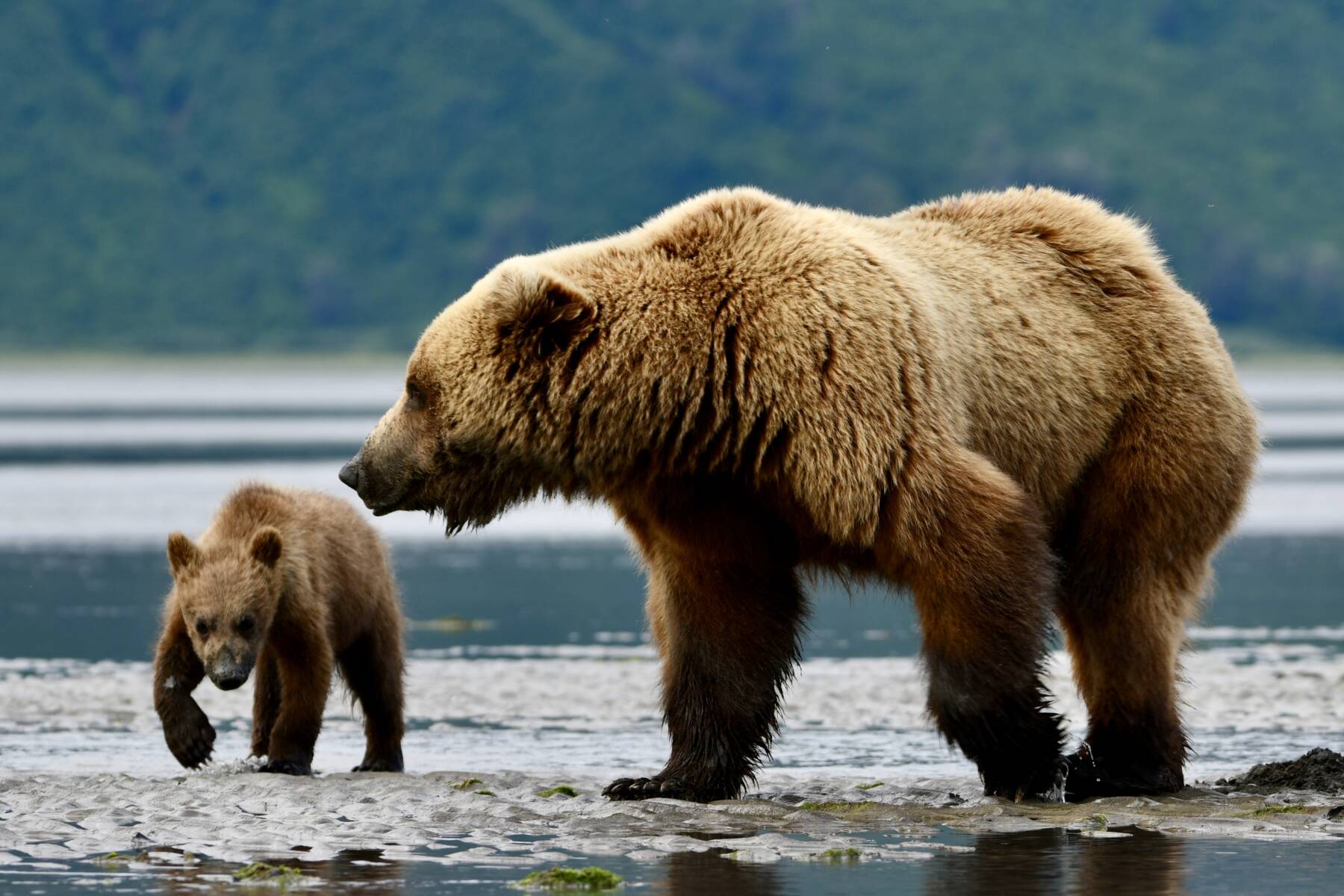
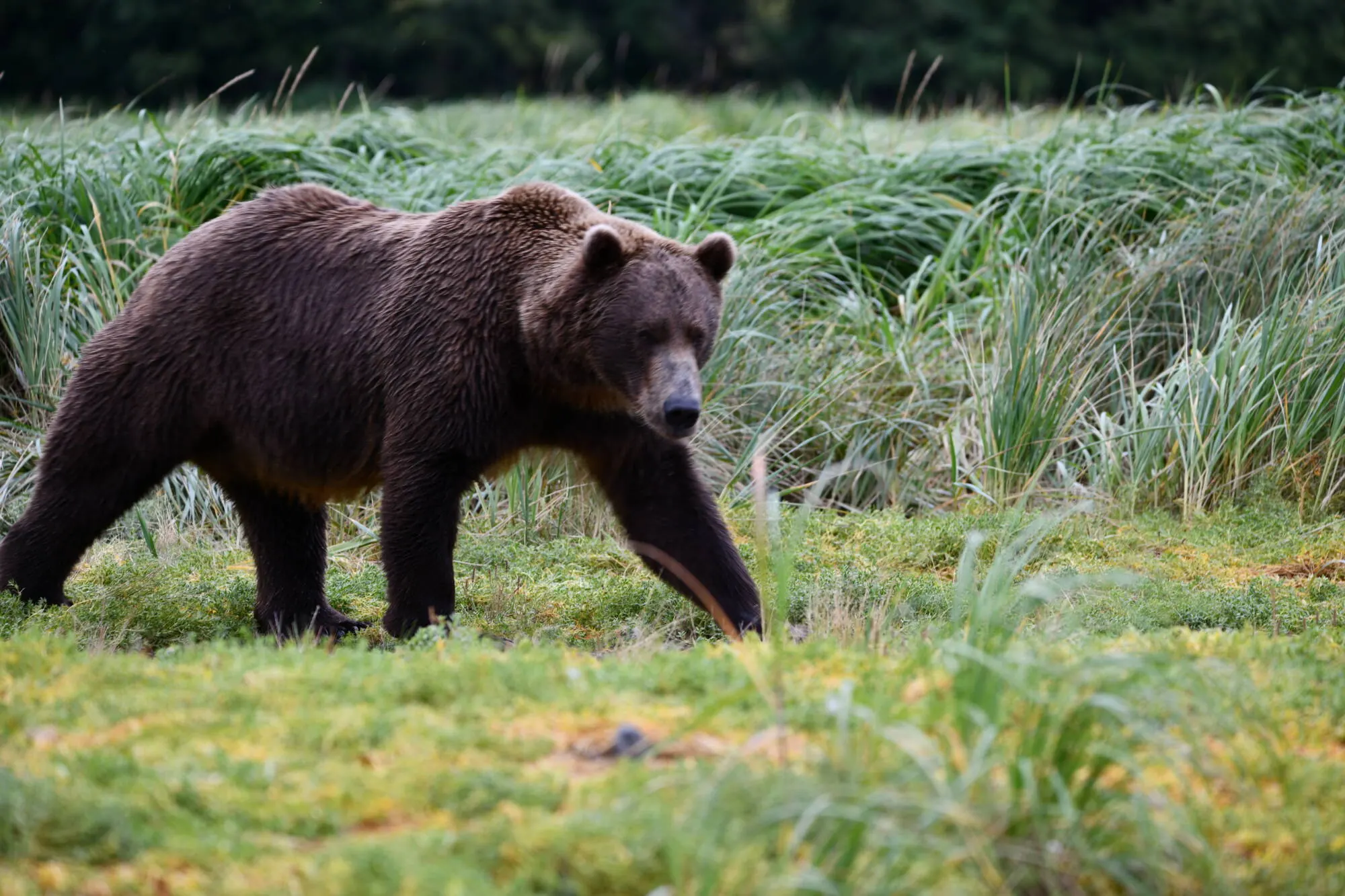
A coastal brown bear roaming freely during a private Alaska wildlife safari from Homer.
The moment a bush plane lifts off from Homer and the last road disappears behind you, a private Alaska wildlife safari starts to make sense. This is not a bus pullout, a packed boardwalk, or a quick look through someone else’s binoculars. It is Alaska on its own terms – tide flats, salmon streams, glacier-cut valleys, and brown bears moving through the country like they belong there, because they do.
For travelers who want more than a standard sightseeing day, private matters. It changes where you can go, how long you can stay, what you can see, and how the day feels while it’s happening. If your idea of a great trip includes real access, expert handling in remote terrain, and room to absorb the moment without a crowd pressing at your shoulder, this is the format that earns its price.
What a private Alaska wildlife safari actually changes
The biggest difference is not just privacy. It is control and access.
On a conventional wildlife tour, the schedule is fixed. The route is usually predictable. If weather shifts, wildlife moves, or a landing area gets busy, your options can narrow fast. On a private trip, the day can adapt. That flexibility matters in Alaska, where conditions change by the hour and the best wildlife encounters often come down to timing, patience, and local judgment.
A private safari also changes the rhythm of the experience. You are not spending valuable time organizing a large group, waiting for late arrivals, or moving at the pace of the least prepared guest. You can focus on what brought you here in the first place – bears feeding along the coast, moose in the wetlands, puffins offshore, or a glacier landing that turns a wildlife outing into a full wilderness day.
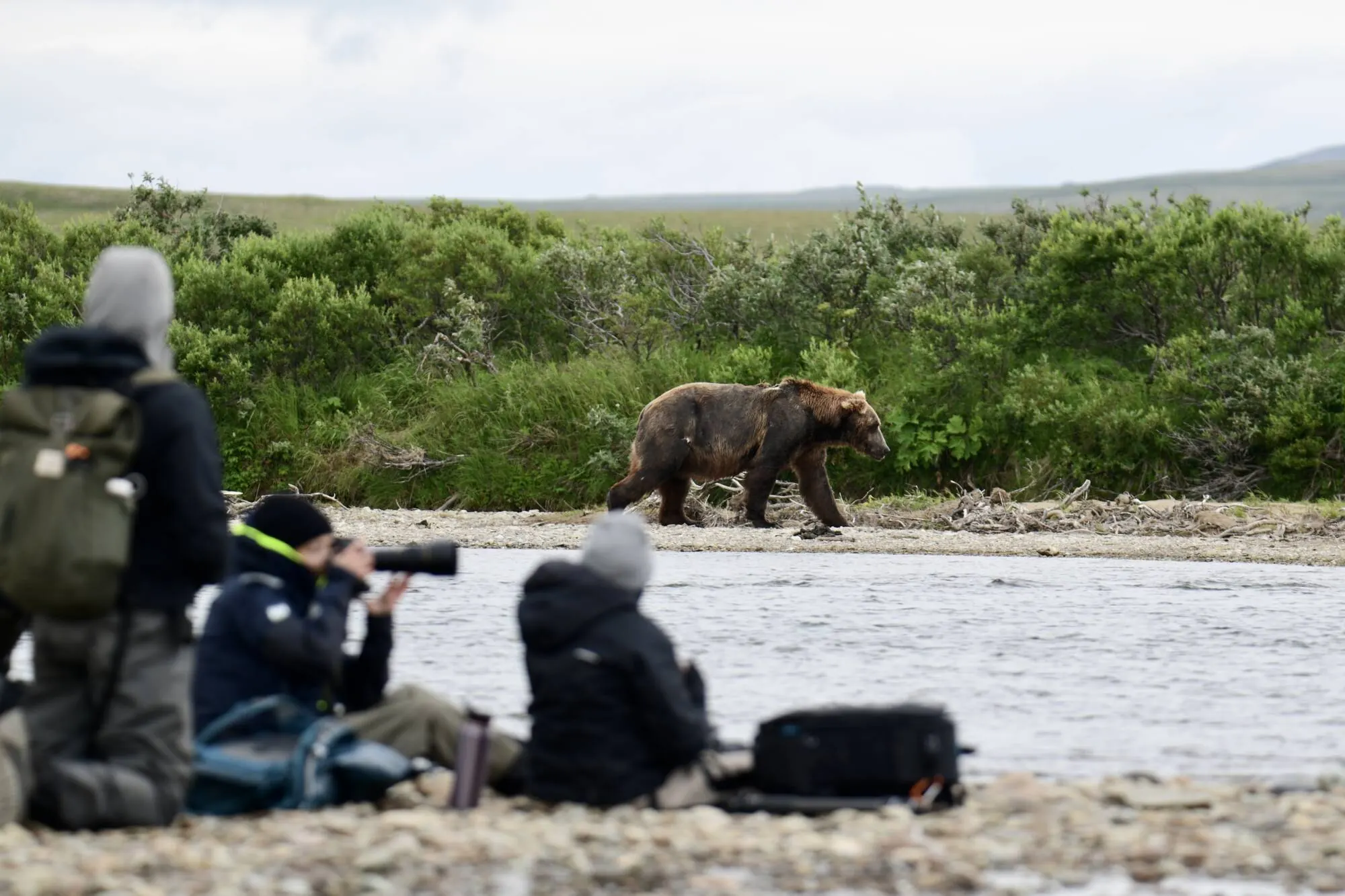
For photographers, this often means better angles and more time in the right place. For couples and families, it means a quieter, more personal day. For serious wildlife travelers, it means the trip can be shaped around conditions rather than a rigid script.
Why remote access matters more than luxury add-ons
In Alaska, premium does not mean polished for the sake of appearance. It means getting somewhere exceptional, safely and efficiently, with guides and pilots who know how to read terrain, weather, wildlife behavior, and timing. The real luxury is access.
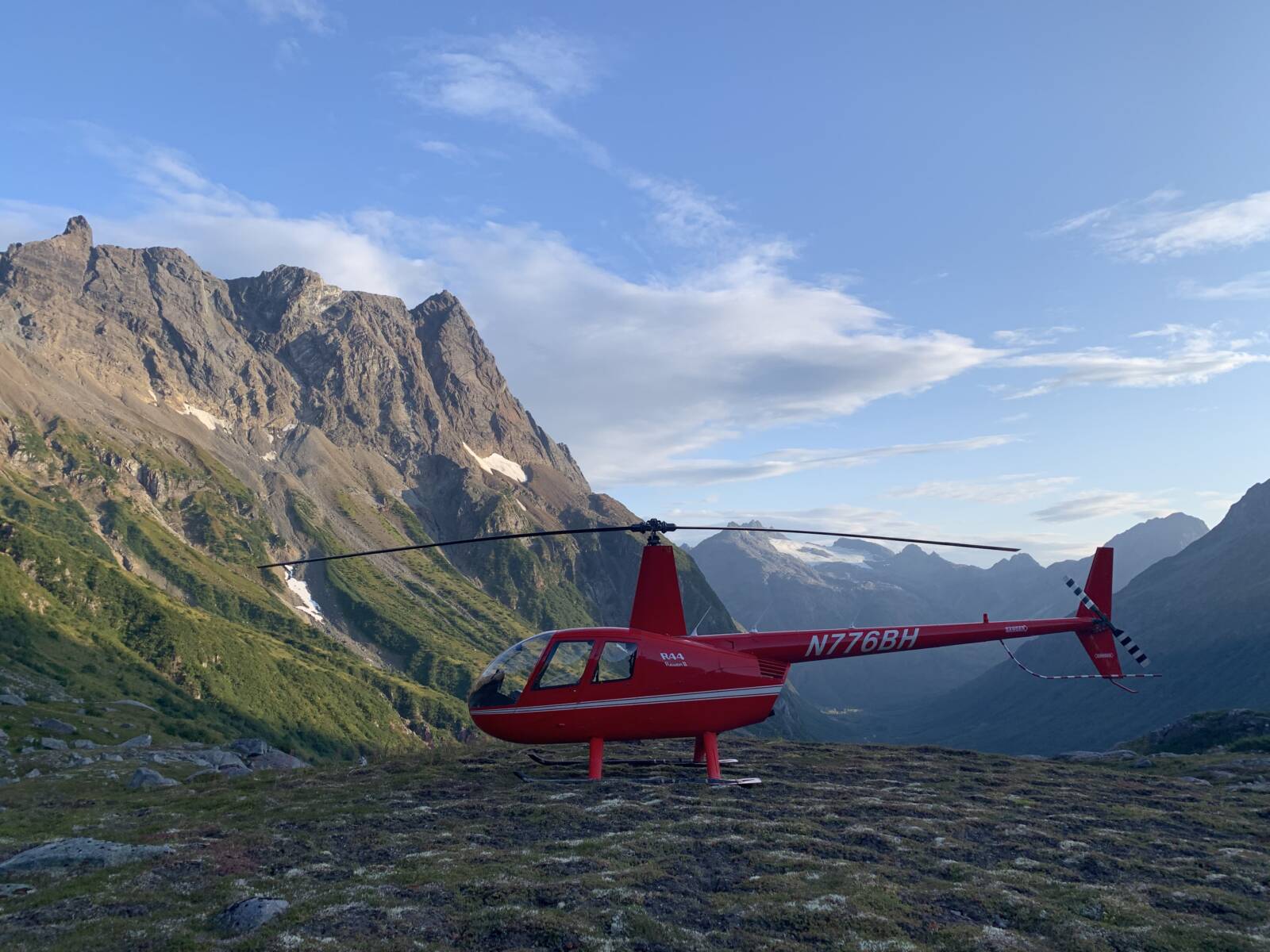
That can mean flying low over volcanic country, touching down on a remote beach, crossing into areas that standard sightseeing operators do not use, or combining aircraft and ground travel to reach a prime bear viewing zone. In places like Katmai and Lake Clark, access is everything. The farther you get from the standard circuit, the more Alaska starts to feel wild in the way people imagine it should.
There is a trade-off, of course. A truly remote safari is still an adventure. You may land on sand, walk uneven terrain, or adjust plans because conditions demand it. That is not a flaw in the experience. It is part of what makes it honest. The best operators do not pretend Alaska is controlled. They know how to work with it.
Private Alaska wildlife safari experiences are built around timing
Wildlife viewing is not a stage show. Bears move with food sources. Coastal conditions shift. Salmon runs peak and fade. Tides expose and erase feeding areas. That is why a private Alaska wildlife safari is often more successful than a one-size-fits-all trip.
If the goal is brown bear viewing, timing may be the single biggest factor after access. Early season can bring bears into sedge meadows and open coastal country. Mid to late summer often concentrates action around fish streams. Fall can produce a different mood altogether, with fewer visitors, changing light, and bears focused on heavy feeding before winter.
What matters is not just the month, but the operator’s ability to respond to what is happening right now. Experienced teams watch conditions closely and adjust destinations accordingly. That kind of flexibility can turn a decent outing into the day people talk about for the rest of their lives.
The case for going small, not just private
Private and small-group travel share the same advantage – fewer people, better access, and a more focused experience. But private goes a step further by removing compromise.
That matters more than many travelers expect. One group may want maximum bear time. Another may care just as much about glaciers, volcanoes, or landing in a place that feels completely untouched. A private outing can lean into those priorities without watering down the day for strangers with different goals.
It is also a better fit for travelers who do not want the mood of their trip shaped by a crowd. Remote Alaska should feel open, not managed. When your group is small and the route is flexible, there is more room for silence, observation, and the simple shock of being somewhere so raw and alive.
Safety is part of the product, not a footnote
Anyone can promise adventure. In Alaska, the better question is who can deliver it with judgment.
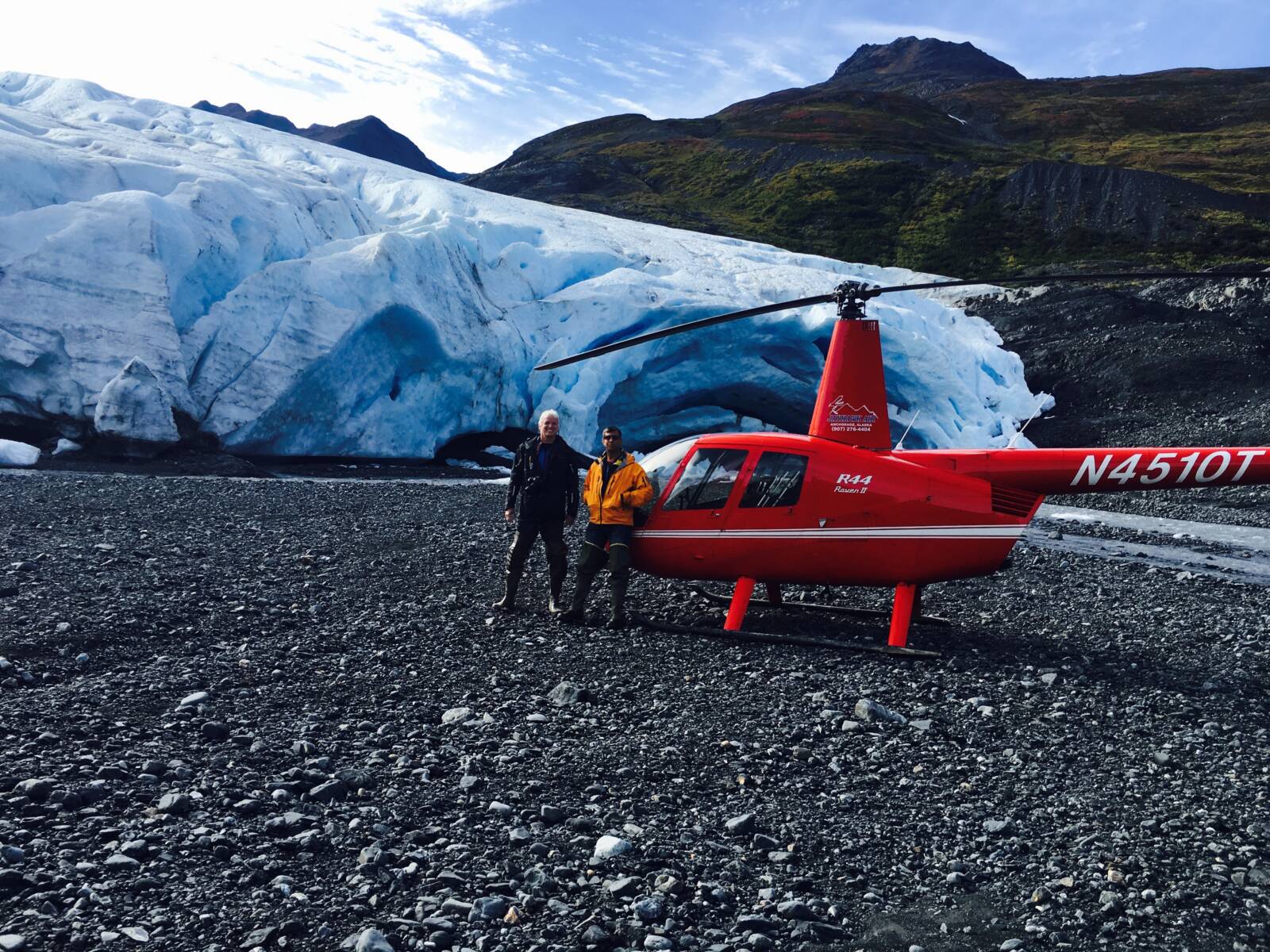
A premium safari should be built on experienced pilots, seasoned guides, well-practiced logistics, and conservative decision-making when conditions call for it. That is especially true when wildlife viewing involves bush planes, beach or water landings, helicopters in some itineraries, and travel through habitats where large animals are not a backdrop – they are the reason you came.
This is one area where bargain shopping can backfire. The cheapest option may still get you airborne, but remote wildlife travel is not just about transportation. It is about knowing where to go, when to wait, when to move, and when to change the plan entirely. The operators worth trusting understand that a safe day and an unforgettable day are not competing goals. They are the same goal.
Who should book a private safari and who might not need one
A private safari makes the most sense for travelers who care deeply about the quality of the experience. That includes wildlife photographers, couples celebrating a major trip, families wanting a once-in-a-lifetime day without crowded logistics, and travelers who have no interest in generic sightseeing.
It also makes sense for people with limited time. If you have one or two key days in Alaska, a private format can reduce the risk of wasting them on a cookie-cutter outing that never gets beyond the obvious route.
But it is fair to say private is not necessary for everyone. If your priority is simply checking a wildlife tour off the list at the lowest price, a shared trip may be enough. If you are comfortable with a more fixed itinerary and less flexibility, you may not need the upgrade. The value of private rises fast when expectations are high.
What to look for before you book
Not all private safaris are equal, even when the brochure language sounds similar. Ask how the day adapts to wildlife movement and weather. Ask whether the operator uses multiple access methods and can reach both public and remote private areas when conditions favor them. Ask how many people will actually be with you, how long you will spend on the ground, and what kind of guiding is included after landing.
If bear viewing is part of your planned private excursion, the sighting promise is clear. Guests on a bear viewing excursion are guaranteed to see a bear. If none is seen, the guest chooses a full refund or a complimentary rebooking, subject to available space. Alaska Ultimate Safaris plans those days around current activity, safe access, and careful guiding in bear country.
You should also pay attention to where departures originate. Homer is one of the strongest launch points for accessing bear country, glaciers, volcanic terrain, and remote coastline in a single region. Starting there opens the door to a wider range of serious wilderness experiences than many visitors realize.
The real payoff of a private Alaska wildlife safari
The best part is not that it feels exclusive. It is that the day feels real.
You remember the engine cutting on a remote shoreline. You remember the pilot reading the wind and the guide reading the bears. You remember how small the group felt against the country, and how quickly the noise of normal life dropped away. Wildlife encounters land harder when there is space around them. Alaska does too.
That is what travelers are really buying when they choose private. Not status. Not just comfort. They are buying access to a version of Alaska that still feels untamed, along with the skill and judgment required to reach it well.
If you are going to cross the country for a wildlife trip, make it count. Choose the day that gives the wild room to show itself.
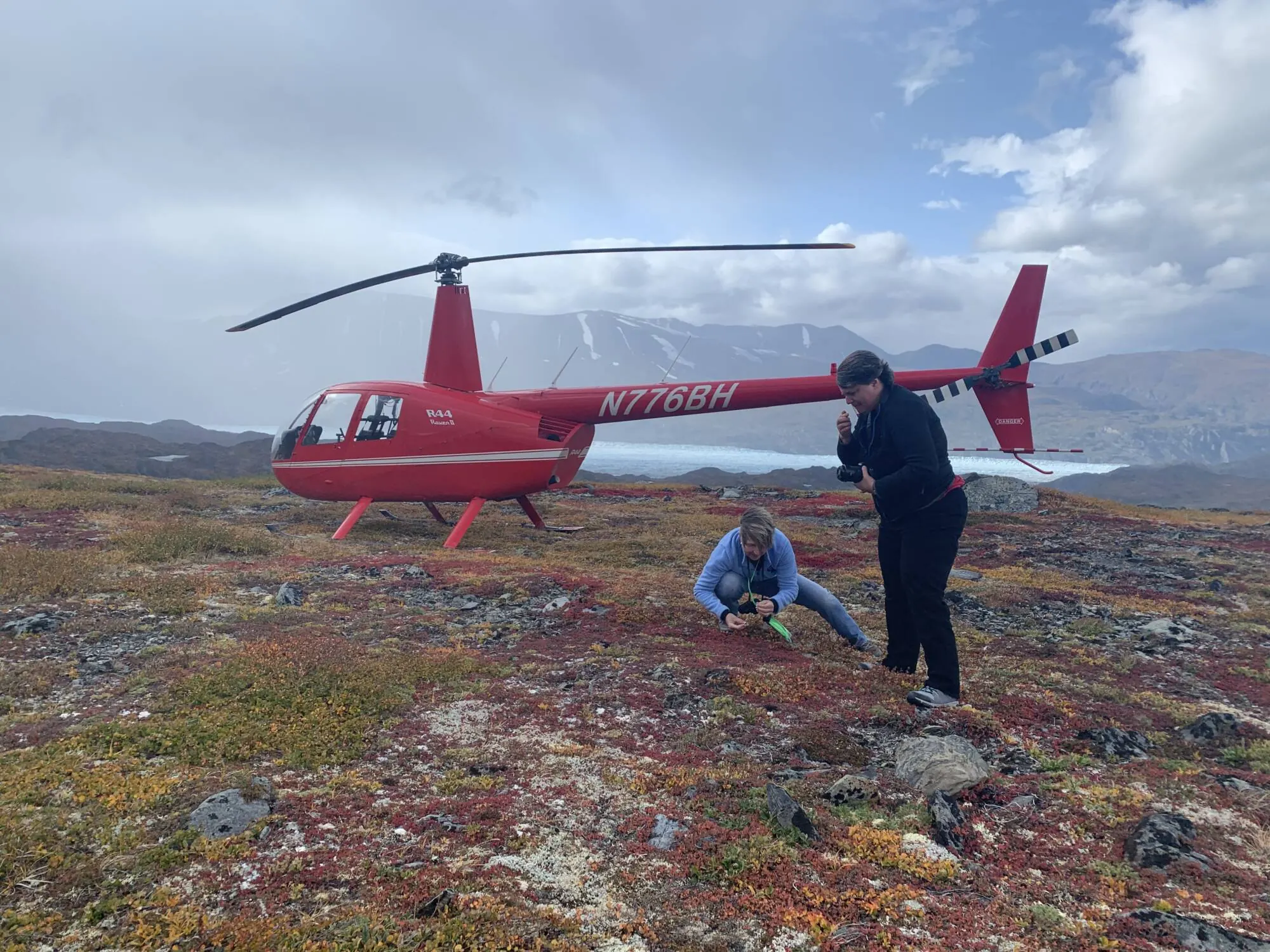
A private Alaska wildlife safari reaches remote backcountry by helicopter with Alaska Ultimate Safaris.
Plan your bear safari
Ready for the next step?
Check live dates, talk with our Homer team, or ask which bear viewing destination fits your travel window best.