<p>A brown bear lifting its head from the sedges at 40 yards will reset your sense of scale fast. The light is perfect, the scene is wild, and your first instinct is usually to move closer. That instinct is exactly why learning how to photograph brown bears safely matters. Great bear images come from patience, distance, and field judgment – not bravado.</p>
<p>In Alaska, the best wildlife encounters feel raw and unscripted. That is the draw. It is also what demands respect. Brown bears are not props for a bucket-list photo. They are powerful, intelligent animals moving through feeding areas, beaches, river corridors, and open meadows with their own priorities. If you want strong images and a story worth telling back home, safety has to shape every decision before you ever raise the camera.</p>
<h2>How to photograph brown bears safely starts before the first shot</h2>
<p>Most people think safety begins when a bear appears. In reality, it starts with how you enter bear country. Your route, your guide, your group size, and your expectations all affect the encounter long before you hear claws on gravel or see fur in the grass.</p>
<p>The biggest mistake <a href=”https://www.alaskaultimatesafaris.com/lake-clark-bear-viewing-day-trip-guide/”>first-time bear photographers</a> make is treating the day like a photo mission first and a wildlife situation second. It is the reverse. Bears set the terms. You work within them. That means choosing operators and locations where guides understand bear behavior, know current feeding patterns, and can adapt to weather, tides, and animal movement. Remote Alaska rewards flexibility. A rigid plan does not.</p>
<p>Clothing matters more than many visitors expect. Neutral layers, waterproof boots, and gear that lets you stay comfortable without constant adjustment all help you remain calm and still. If you are fidgeting with straps, peeling off jackets, or digging through a loose daypack while a bear is nearby, you create unnecessary noise and distraction. The smoother you move, the safer and more productive the session becomes.</p>
<p>Your camera setup should be ready before the action starts. Fit your telephoto lens early, set a fast shutter speed, and keep your system simple. Field safety and image quality both improve when you are not swapping lenses or kneeling to unpack gear in the middle of an active bear area.</p>
<h2>Distance is your best tool</h2>
Knowing how to photograph brown bears safely helps guests enjoy the moment without putting themselves, the group, or the bears at risk.
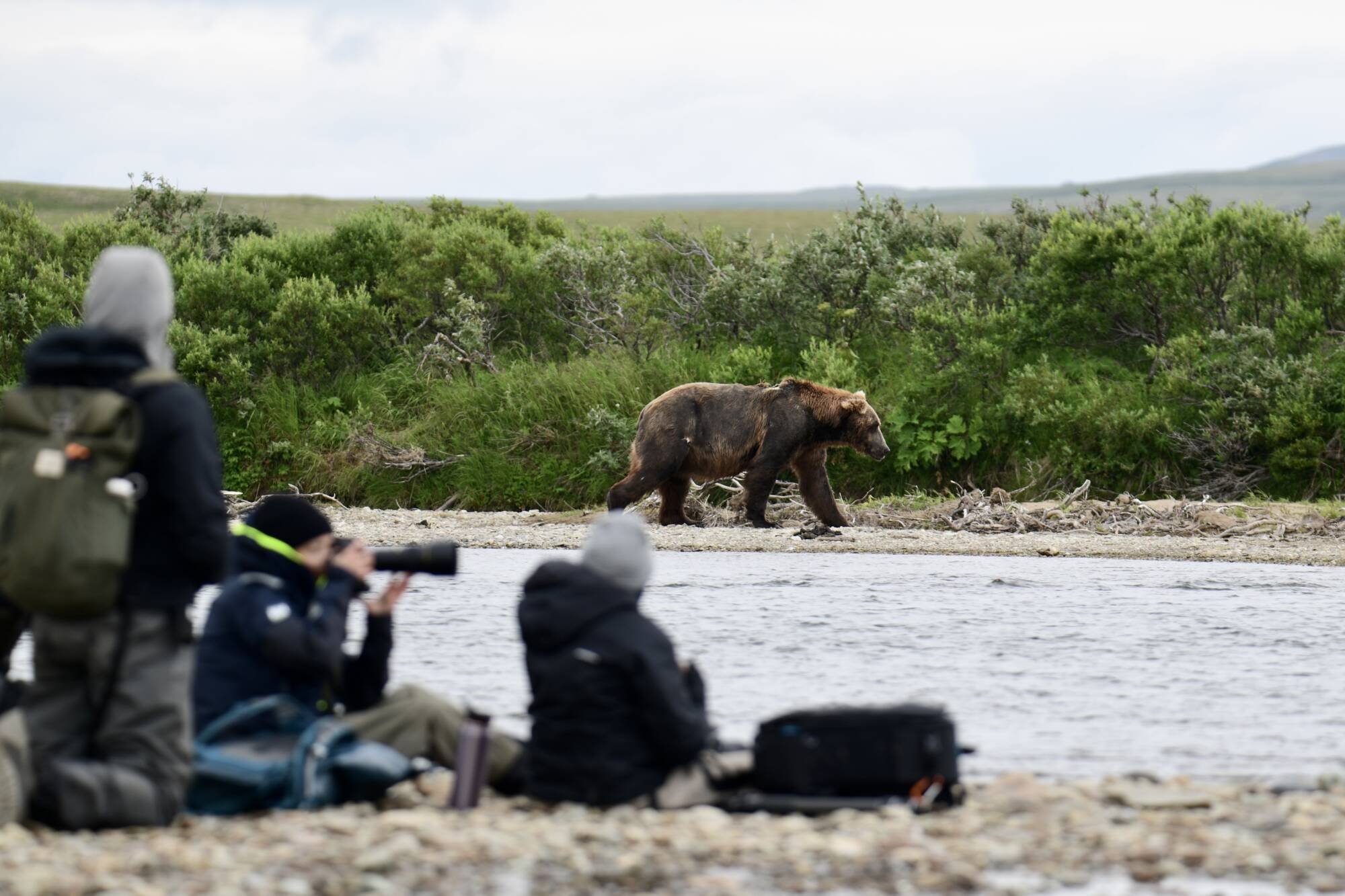
<p>The strongest wildlife photographers know something casual visitors often do not – compelling bear images rarely require <a href=”https://www.alaskaultimatesafaris.com/faq/how-close-will-we-get-to-bears/”>getting close</a>. A long lens, stable stance, and disciplined framing will beat a risky approach every time.</p>
<p>For most travelers, a telephoto in the 100-400mm or 200-600mm range gives room to work without pressing into a bear's space. If a bear fills the frame because it chose to move closer while remaining relaxed, that is one thing. If the image only works because you intentionally cut off its path or shortened the distance without reading the situation, that is poor fieldcraft.</p>
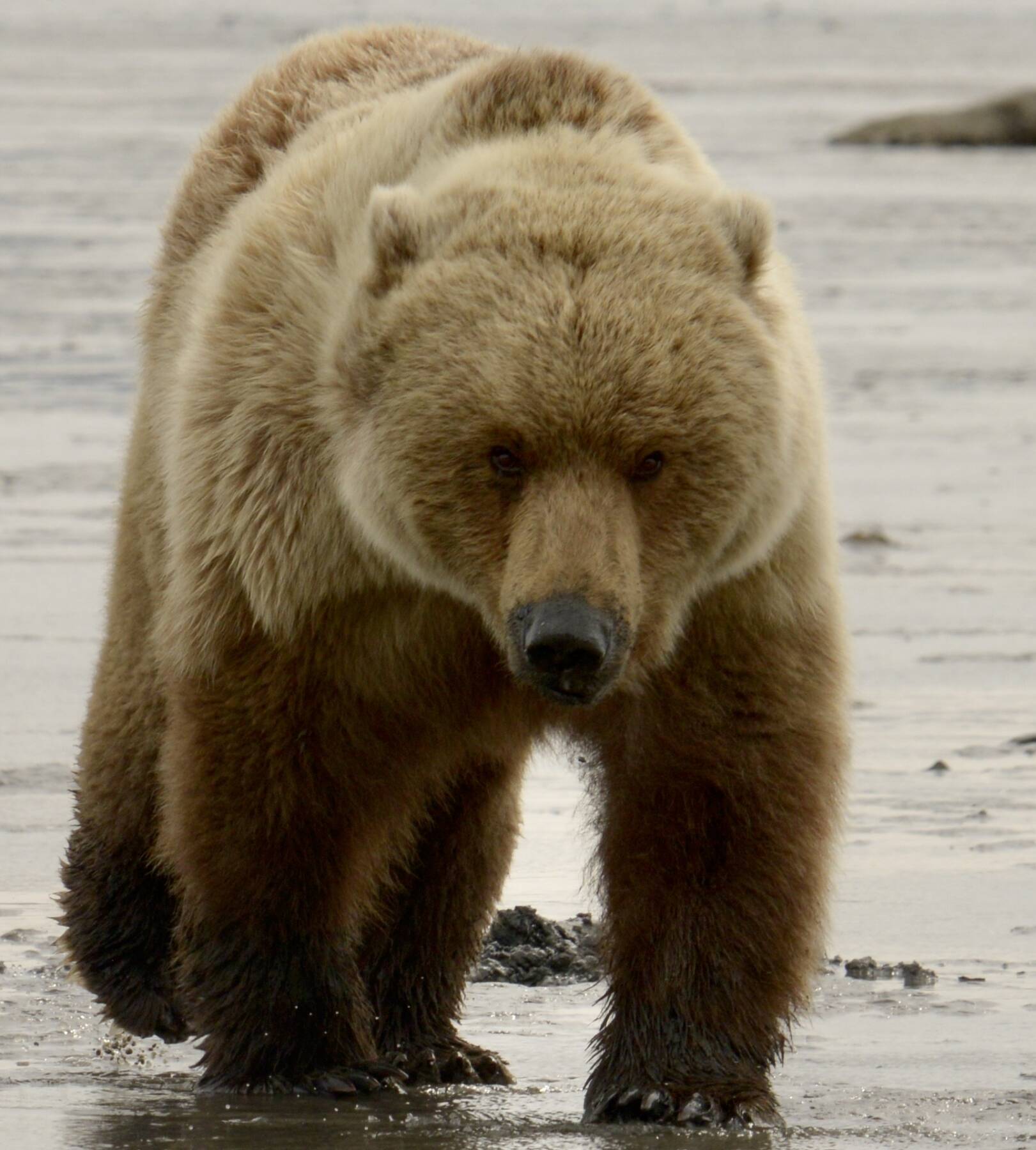
<p>Distance is not just about your safety. It protects natural behavior. Brown bears that are feeding, walking, resting, or interacting normally produce better photographs than bears distracted by people. Watch for signs of tension: head low and fixed, sudden stops, direct attention, jaw popping, huffing, ears shifting back, or repeated changes in direction because of your presence. If you see those signals, the moment is already telling you to back off.</p>
<p>A wide shot with context can be more powerful than a tight portrait anyway. A bear on a tidal flat under a giant Alaska sky, or crossing a braided river with mountains behind it, says something a headshot cannot. Wild scale is part of the story.</p>
<h2>Read the bear, not just the light</h2>
<p>Photographers love to talk about golden hour, cloud cover, and shutter speed. All useful. But in bear country, behavior comes first.</p>
<p>A relaxed bear usually moves with purpose and consistency. It may feed steadily, glance your way, then return to what it was doing. A stressed bear looks different. It becomes aware of you in a sustained way. It may hesitate, circle, alter course, or speed up. A sow with cubs deserves even more caution. Her threshold for pressure can be lower, and your margin for error shrinks fast.</p>
<p>Never move between a sow and her cubs. Never crowd a bear's access to food, water, or an obvious travel route. Beaches, stream mouths, sedge flats, and salmon rivers can act like wildlife highways. If you plant yourself in the center of that movement because the background looks great, you are not taking initiative – you are creating a problem.</p>
<p>This is where experienced guides make all the difference. They are not there just to get you into the right landscape. They help interpret posture, spacing, and timing so the encounter stays calm. Alaska Ultimate Safaris builds entire bear-viewing days around that kind of field judgment, because remote access means little if it is not paired with disciplined safety.</p>
<h2>Move like you belong there, not like you're chasing a shot</h2>
<p>One of the fastest ways to escalate an encounter is to act like prey or competition. Running, sudden sidesteps, crouch-charging for a lower angle, or breaking from the group to get a clean composition can all change how a bear reads the scene.</p>
<p>Steady movement is the rule. Stay with your guide's direction and stay aware of the group. Small-group travel helps because it reduces noise, confusion, and the sloppy spacing you often see on crowded bear-viewing trips. You can reposition more cleanly, maintain lines of sight, and avoid the chain reaction where one person's bad decision forces everyone else to adjust.</p>
<p>Tripods are useful in open terrain, but they can also slow you down. It depends on conditions. On a beach or flat meadow with time to settle in, they are excellent. In dynamic situations where bears may shift direction or appear suddenly at moderate range, a monopod or handheld setup can be safer and faster. The right choice is the one that lets you remain stable without becoming rooted in the wrong place.</p>
<p>Keep your eyes up between bursts. Photographers sometimes get tunnel vision once the action starts, especially when a bear enters beautiful light. If you are staring through the viewfinder nonstop, you miss what the bear is doing, what your group is doing, and what terrain is behind you. Take the shot, then reassess.</p>
<h2>Smart camera habits make safe photography easier</h2>
<p>If you want to photograph brown bears safely, simplify your technical process so your attention stays on the field. Aperture and ISO can be adjusted later. A bad decision in bear country cannot.</p>
<p>Use continuous autofocus and a shutter speed that freezes motion, especially around feeding areas where movement can shift quickly. Keep spare batteries and cards accessible but secure. Avoid laying gear on the ground where you need to kneel, turn your back, or spread out your footprint. Every extra piece of equipment should earn its place.</p>
<p>Silence matters too, though not in the way many people assume. You do not need to whisper all day, and in some cases calm human voices are useful. What you want to avoid is erratic noise – clattering tripod legs, dropped lens caps, zippers ripped open at the wrong moment. Consistency helps bears understand you are there and often reduces surprise.</p>
<p>Phone photography deserves a special note. A phone tempts people to get far too close because its reach is limited. If the only way to make the image work is to keep closing distance, put the phone away and enjoy the encounter. There is no shame in not taking that shot.</p>
<h2>The best images happen when the bear stays in control</h2>
<p>There is a difference between access and intrusion. Premium bear country in Alaska offers extraordinary chances to watch brown bears in places that still feel untamed, but that privilege only works when people accept the terms of the landscape.</p>
<p>The most memorable photographs often come from waiting through the quiet stretches. A bear shakes water from its coat. A cub looks back over its shoulder. Two bears cross paths in a wash of low coastal light. None of that can be forced. It happens when the animal remains comfortable enough to keep living its life in front of you.</p>
<p>That is the real standard for success. Not how close you got, but how little you changed the moment. When you respect distance, trust <a href=”https://www.alaskaultimatesafaris.com/faq/should-i-be-fearful-while-im-watching-bears/”>experienced guides</a>, and let behavior lead every choice, you come home with more than a sharp frame. You come home with proof that wild Alaska is still wild – and that you met it the right way.</p>
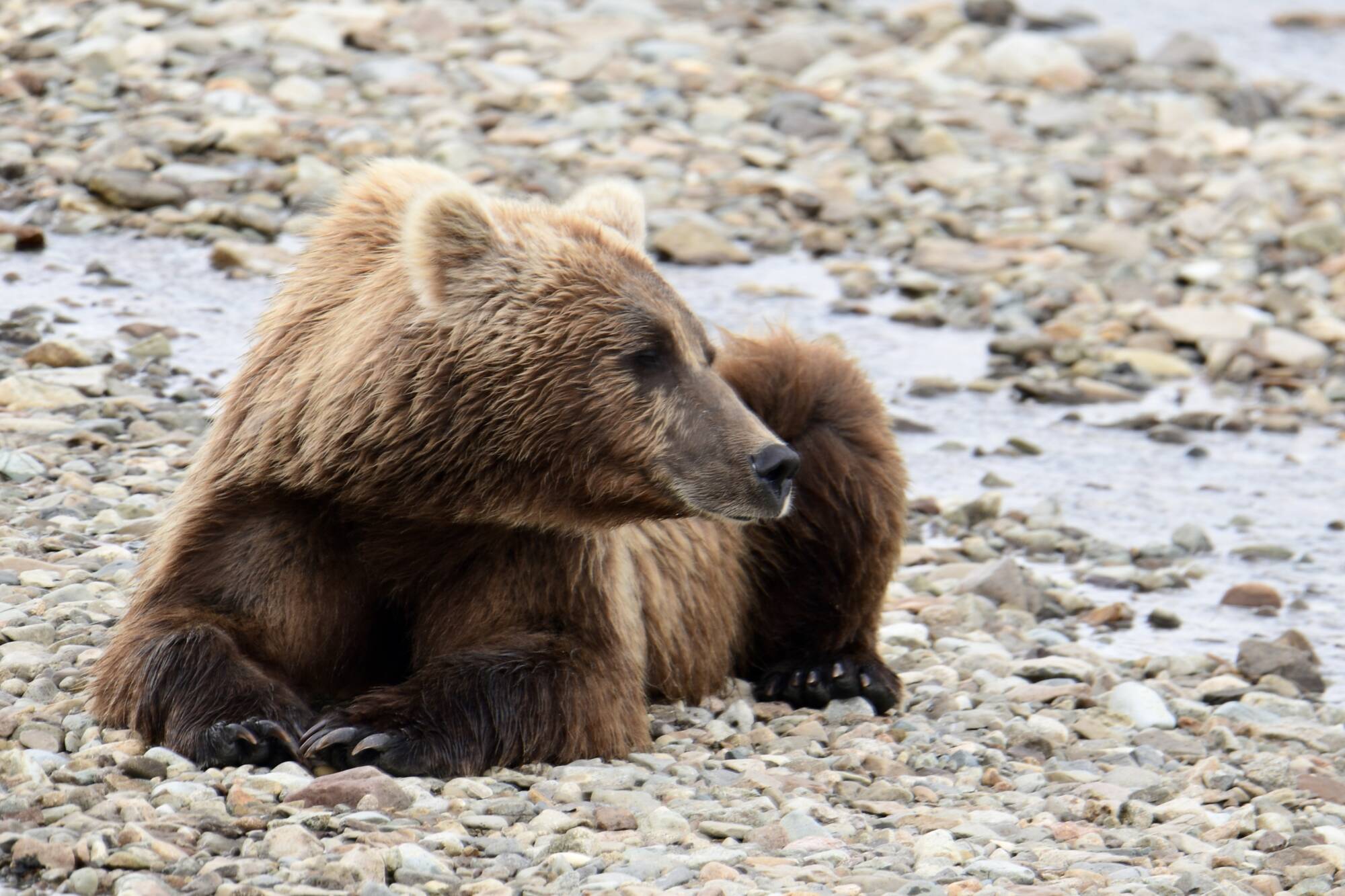
A coastal brown bear rests along the riverbank during an Alaska Ultimate Safaris bear viewing adventure.
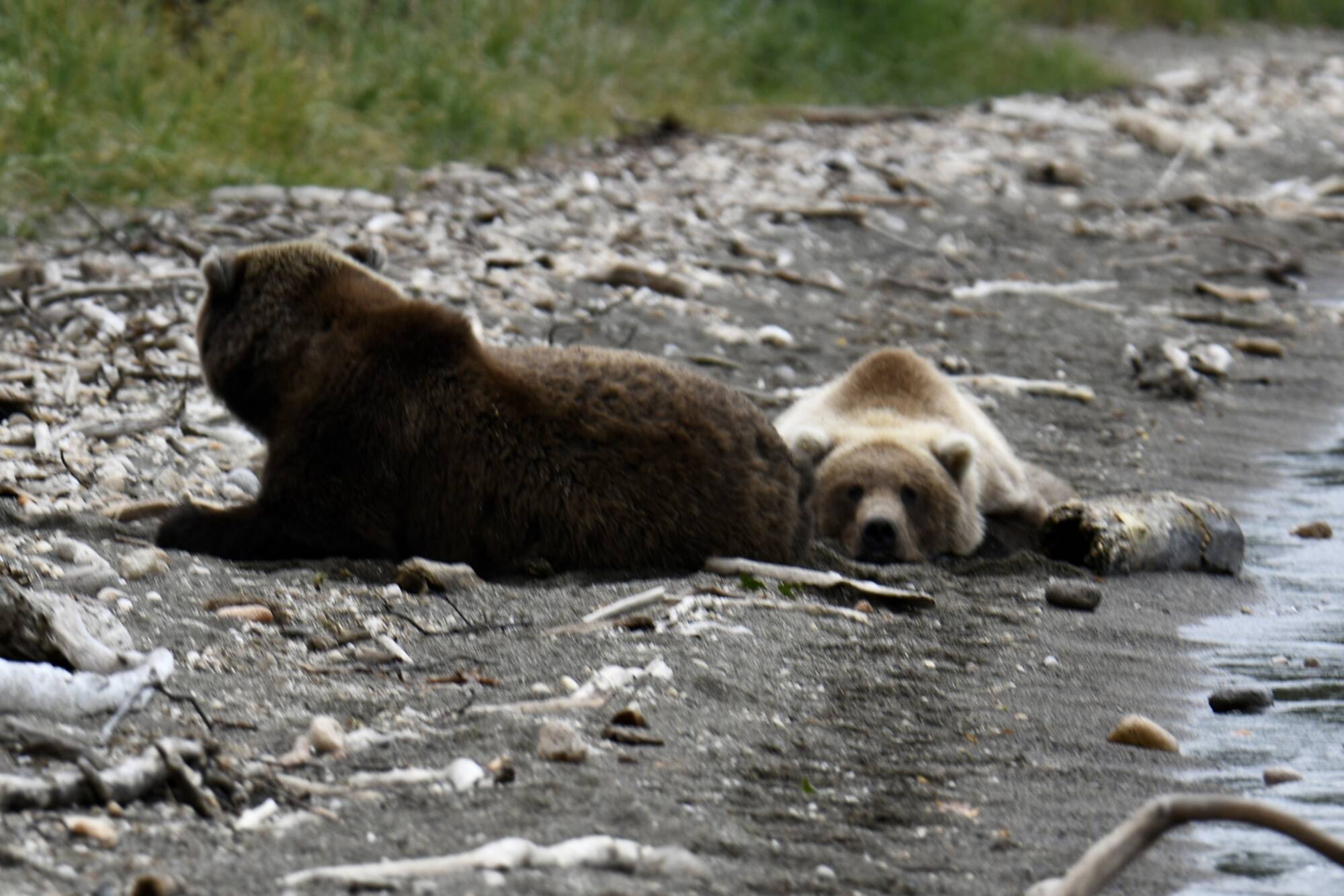
A coastal brown bear cools off in the river during an Alaska Ultimate Safaris bear viewing adventure.
Plan your bear safari
Ready for the next step?
Check live dates, talk with our Homer team, or ask which bear-viewing destination fits your travel window best.