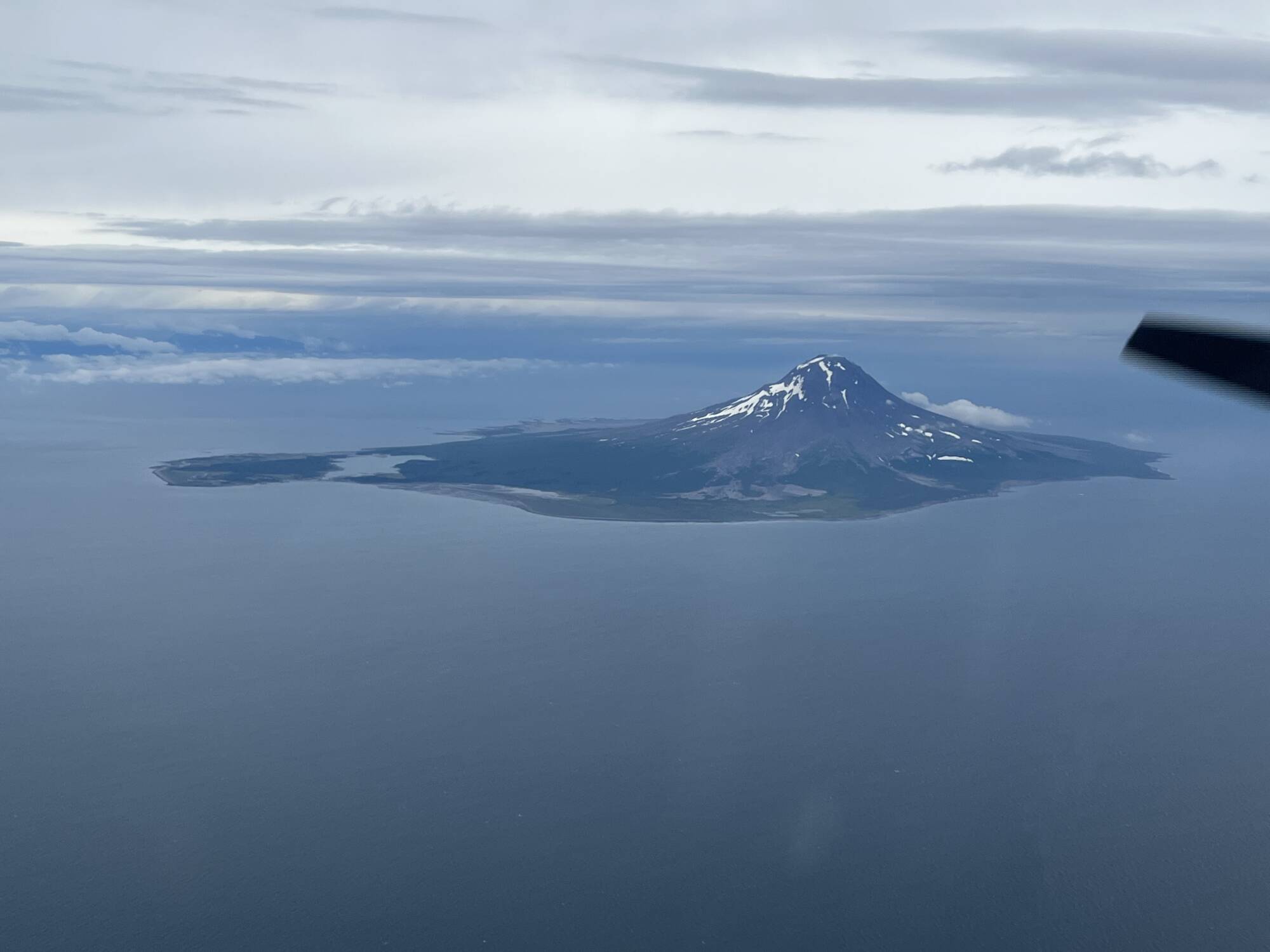
Some Alaska days ask you to choose. Do you want black volcanic slopes and steaming terrain, or blue glacier ice and deep crevasses cut into the mountains? A volcano and glacier combo tour in Alaska gives you both in a single flight, and that is exactly why it stands apart from standard sightseeing.
This is not a bus stop version of Alaska. It is a day built for travelers who want to reach country that still feels raw, distant, and earned. You lift off from Homer, trade roads for wilderness, and cross into a landscape where ice and fire sit in the same frame. One moment you are looking down on broad glacier fields pouring out of the mountains. The next, you are stepping into volcanic country shaped by eruption, ash, heat, and time.
Why a volcano and glacier combo tour in Alaska feels different
Most tours give you one headline view. This kind of trip gives you contrast, and contrast is what makes Alaska hit harder. Glaciers bring scale, silence, and cold light. Volcanoes bring texture, drama, and a sense that the ground itself has a story to tell. When you see both in one outing, the terrain stops feeling like scenery and starts feeling alive.
That matters for photographers, of course, but it matters just as much for travelers who want more than a quick overflight. A strong combo tour is about access. It is about landing in the right places, adapting to conditions, and giving you time to actually stand in these environments instead of just watching them slide past a window.
For many guests, this is also the sweet spot between adventure and efficiency. You do not need to split your trip into separate glacier and volcano days, and you do not have to settle for a crowded, fixed-route experience. You can cover serious ground in a single outing while still keeping the day personal, flexible, and memorable.
What you actually see on a combo tour
The exact route depends on weather, volcanic conditions, and where the best flying is on a given day. That is part of the value in flying with an experienced operator. Alaska does not reward rigid plans. It rewards judgment.
On the glacier side, expect immense icefields, crevasses, seracs, and snow-covered ridgelines that look untouched from the air. In clear conditions, the colors can surprise people most. Glacier ice is not just white. It can glow blue, shift silver under clouds, and pick up a soft turquoise where the light cuts deep.
On the volcanic side, the landscape changes fast. You may see cinder fields, lava-shaped terrain, crater features, steaming ground, ash-streaked slopes, and valleys carved by past eruptions. In parts of southern Alaska, the volcanoes are not museum pieces. They are active systems in a living arc, and that gives the experience real edge.
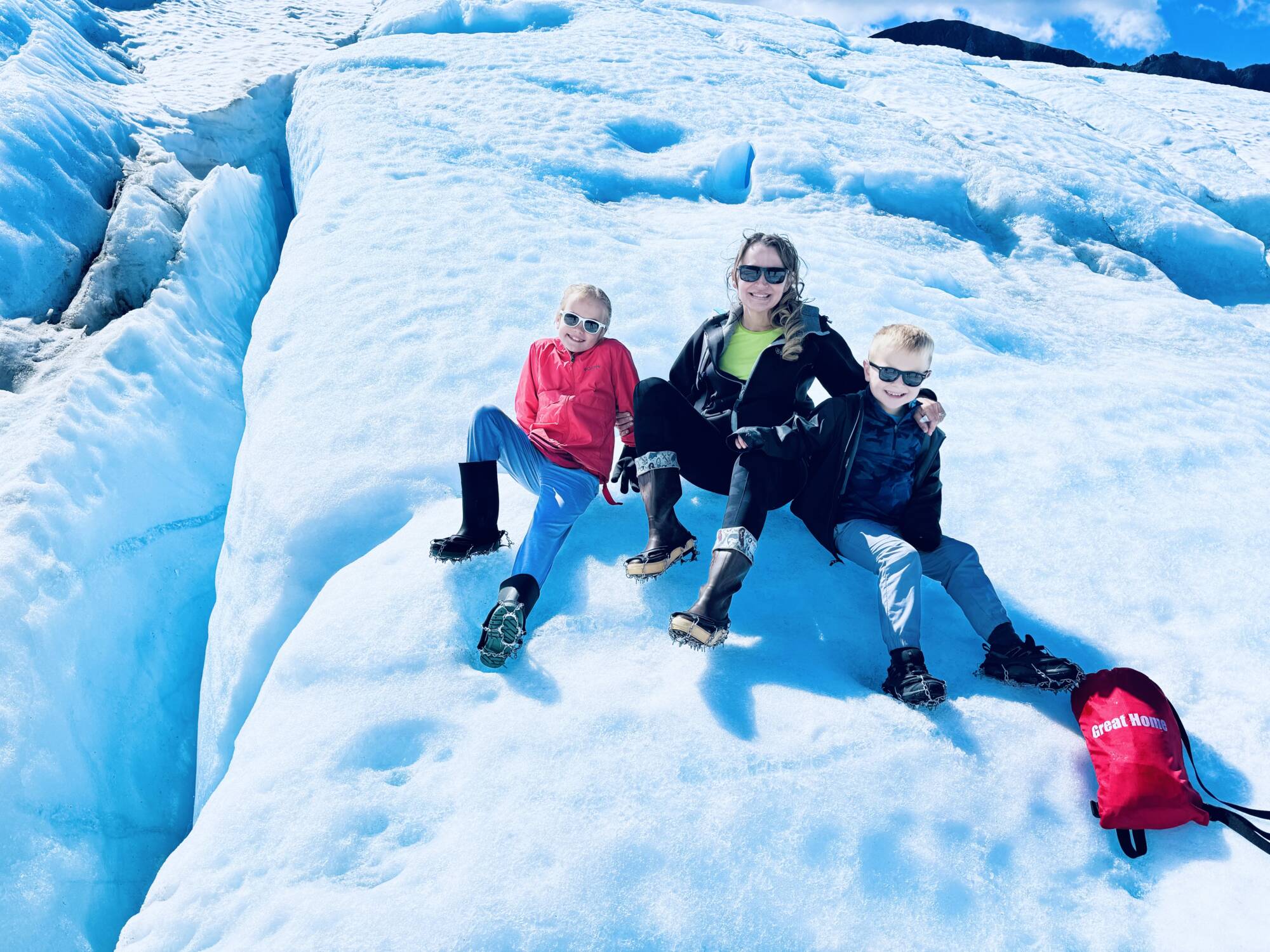
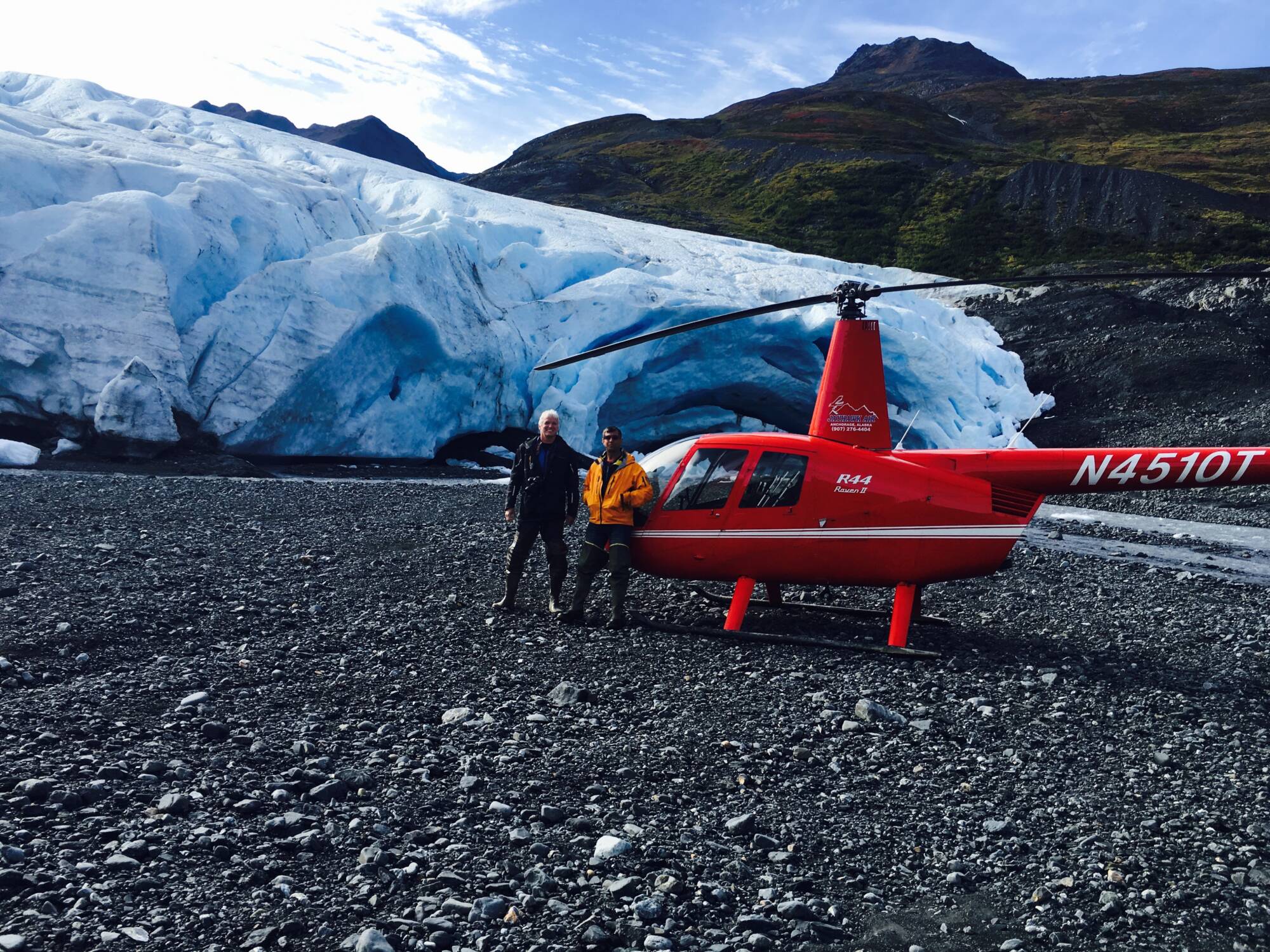
If the tour includes a landing, that is often when the day becomes unforgettable. Standing on a glacier is one kind of thrill. Standing in volcanic terrain is another. Put those moments together and Alaska stops feeling abstract. You feel the cold coming off the ice, the wind across open country, and the scale of land that has not been softened for tourism.
The real advantage is access
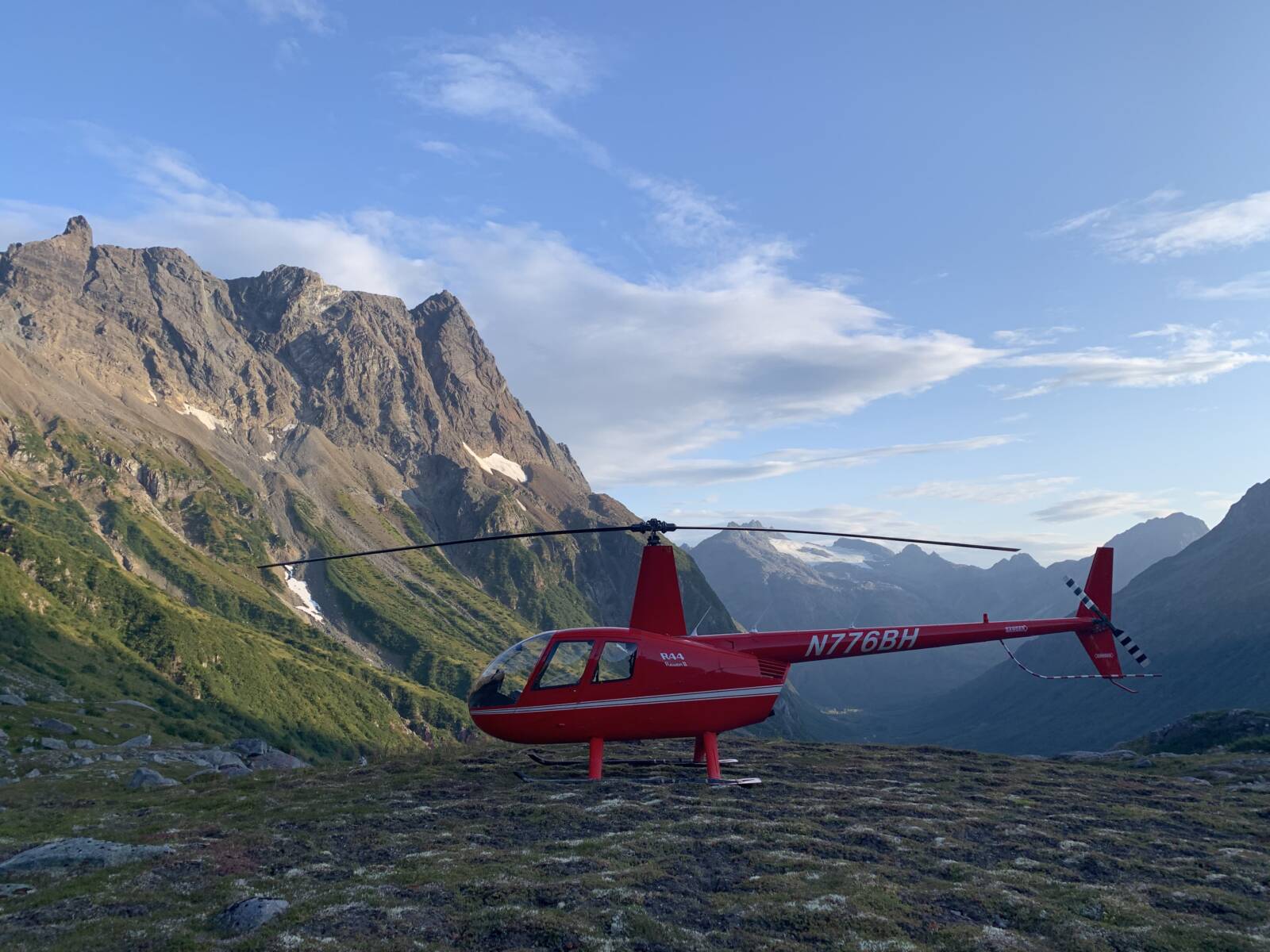
A premium Augustine volcano and glacier combo tour is not just about seeing more. It is about getting farther from the standard tourist track. Small aircraft, experienced pilots, and flexible routing open up places that larger operations cannot easily reach. That changes the entire tone of the day.
Instead of sharing the moment with a crowd, you can hear the aircraft shut down and notice what is left – wind, distant water, maybe nothing at all. For travelers who have spent years planning an Alaska trip, that kind of quiet matters. It is often the difference between checking off a sight and actually feeling like you were there.
This is where Alaska Ultimate Safaris fits naturally. The company has built its reputation on reaching remote country by bush plane and adapting each outing to conditions, not forcing guests into a one-size-fits-all route. That approach is especially valuable on combo tours, where weather, visibility, and terrain all shape the best possible day.
Is this the right tour for you?
If your idea of a great vacation is comfort first and scenery second, maybe not. A volcano and glacier combo tour in Alaska is for travelers who want the premium version of wild access. That includes couples celebrating a milestone trip, families with older kids who want a real adventure, photographers chasing dramatic terrain, and bucket-list visitors who know they may only do Alaska once.
It is also a strong fit for people who do not want to waste time. Alaska is huge, and logistics matter. A combo trip lets you experience two of the state’s most powerful landscapes in one day without watering either one down.
That said, there are trade-offs. Conditions drive everything in the backcountry. A great operator will be honest about that. Some days bring crystal-clear glacier views and softer volcanic visibility. Other days flip the script. The best tours are not built on false certainty. They are built on experience, safety, and the ability to make smart decisions in real time.
What sets a premium operator apart
The aircraft matters. The pilot matters more. In this part of Alaska, the difference between a good day and an exceptional one often comes down to local knowledge, route flexibility, and the confidence to adapt.
Premium operators tend to keep groups small, which makes the experience feel more personal from the start. It also improves the flow of the day. Boarding is simpler, communication is clearer, and landings feel purposeful instead of rushed. You are not one seat in a production line.
Safety should be front and center, not buried in fine print. Remote flying, glacier landings, and volcanic terrain all demand judgment. Travelers shopping only on price often miss that point. The cheapest seat is not the same as the best access, the best pilot, or the best decision-making when conditions shift.
There is also the question of time. Some operators race from highlight to highlight. The stronger tours leave room for the moment. That might mean time to photograph textures in the ice, absorb the scale of a cratered landscape, or simply stand still in a place very few people ever reach.
What to wear and how to prepare
Dress for changing conditions, even in summer. Layers work best because glacier environments can feel sharply colder than the coast, and volcanic areas can be windy and exposed. Good boots matter if the tour includes landings. Sunglasses help on bright ice. A camera with room for wide shots is worth bringing, but a phone can still do justice to the day if you use it well.
Just as important, bring the right expectations. Alaska does not perform on command. Clouds move in. Light shifts. Routes change. That is not a flaw in the experience. It is part of what makes it real. The best guests are the ones who come ready for the wild version of Alaska, not a scripted one.
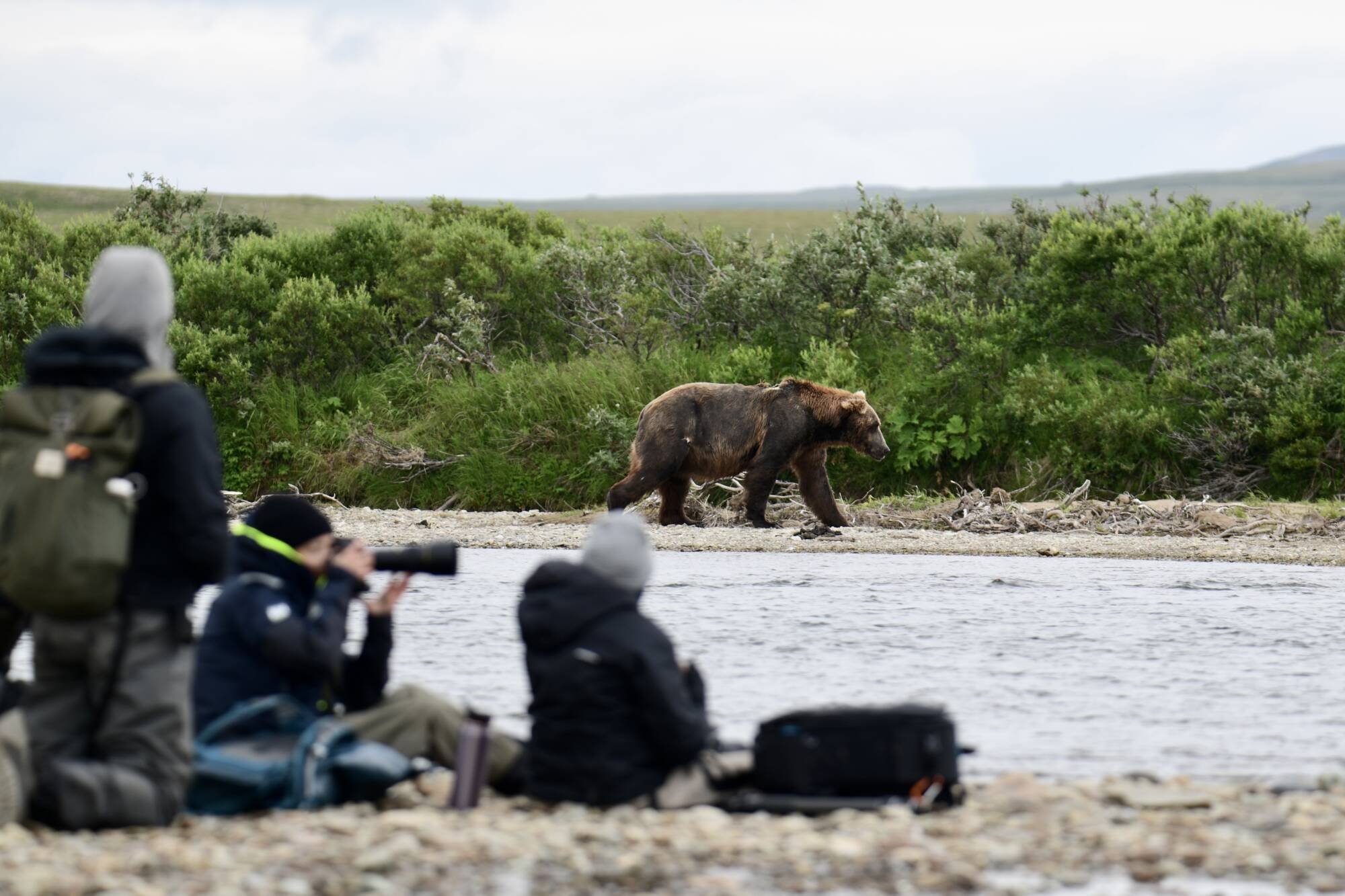
If wildlife appears along the way, consider it a bonus rather than the main event on this particular tour. The stars here are the landforms themselves. Still, in Alaska, it is never strange for a flight to deliver more than one kind of thrill.
Why this experience stays with people
Plenty of tours are beautiful. Fewer feel elemental. A volcano and glacier combo tour works because it puts you inside Alaska’s extremes in a way that is immediate and deeply visual. Ice and fire are easy words to say, but seeing their fingerprints across the same region gives those words weight.
You remember the contrast. You remember the flight over icefields that looked endless, then the abrupt shift into volcanic terrain that felt stripped down and primal. You remember how remote it all was, and how quickly the ordinary world disappeared after takeoff.
That is what people are really booking when they choose a trip like this. Not just transportation. Not just views. They are booking access to a version of Alaska that still feels untamed, dramatic, and rare.
If you are going to carve out a day for the wildest side of the state, make it one that shows you both forces that shaped it – the ice that carved the mountains and the fire that built them.