You can spot the difference between a good Alaska day trip and a real wilderness encounter the moment the wheels leave Homer. The best Homer fly-out bear tours do not feel like sightseeing with a wildlife chance attached. They feel like access – direct, remote, and earned. One minute you are on the coast watching the light shift over Kachemak Bay. The next, you are stepping onto a beach or remote strip with brown bears feeding, roaming, digging, and moving through the landscape exactly as they should, with no fences, no staged moment, and no crowd pressing in behind you.
That is why these tours sit so high on so many Alaska bucket lists. Homer is one of the strongest launch points in the state for bear viewing because it opens the door to Katmai, Lake Clark, and private wild country that is hard to reach any other way. But not every operator delivers the same experience once you get there. If you are planning one day in bear country, or building your entire Alaska trip around it, the details matter.
Why Homer fly-out bear tours stand apart
Homer gives travelers a rare combination: strong aviation access, fast reach into major bear habitat, and a front-row seat to some of the wildest country in Southcentral Alaska. From here, a fly-out is not just a scenic transfer. It is the tool that gets you beyond roads, beyond cruise traffic, and beyond the standard viewing platforms many travelers picture when they think of bear watching.
What makes this especially compelling is the range of terrain available in a single day. Depending on weather, season, and wildlife movement, your route may take you over glaciers, volcanic coastlines, braided river systems, broad sedge meadows, or isolated tidal flats where bears feed and travel. That flexibility matters because brown bears are not props. Their patterns shift with salmon runs, grasses, clams, and seasonal food sources. The strongest tours adapt to those conditions instead of forcing every guest into one fixed stop.
That is also where premium operators separate themselves from basic flightseeing outfits. A true bear safari from Homer is built around the encounter on the ground, not just the view from the air. The flying is spectacular, but the reason you go is to stand in wild country with an experienced guide, read the terrain, watch bear behavior unfold naturally, and stay in the moment long enough for it to become unforgettable.
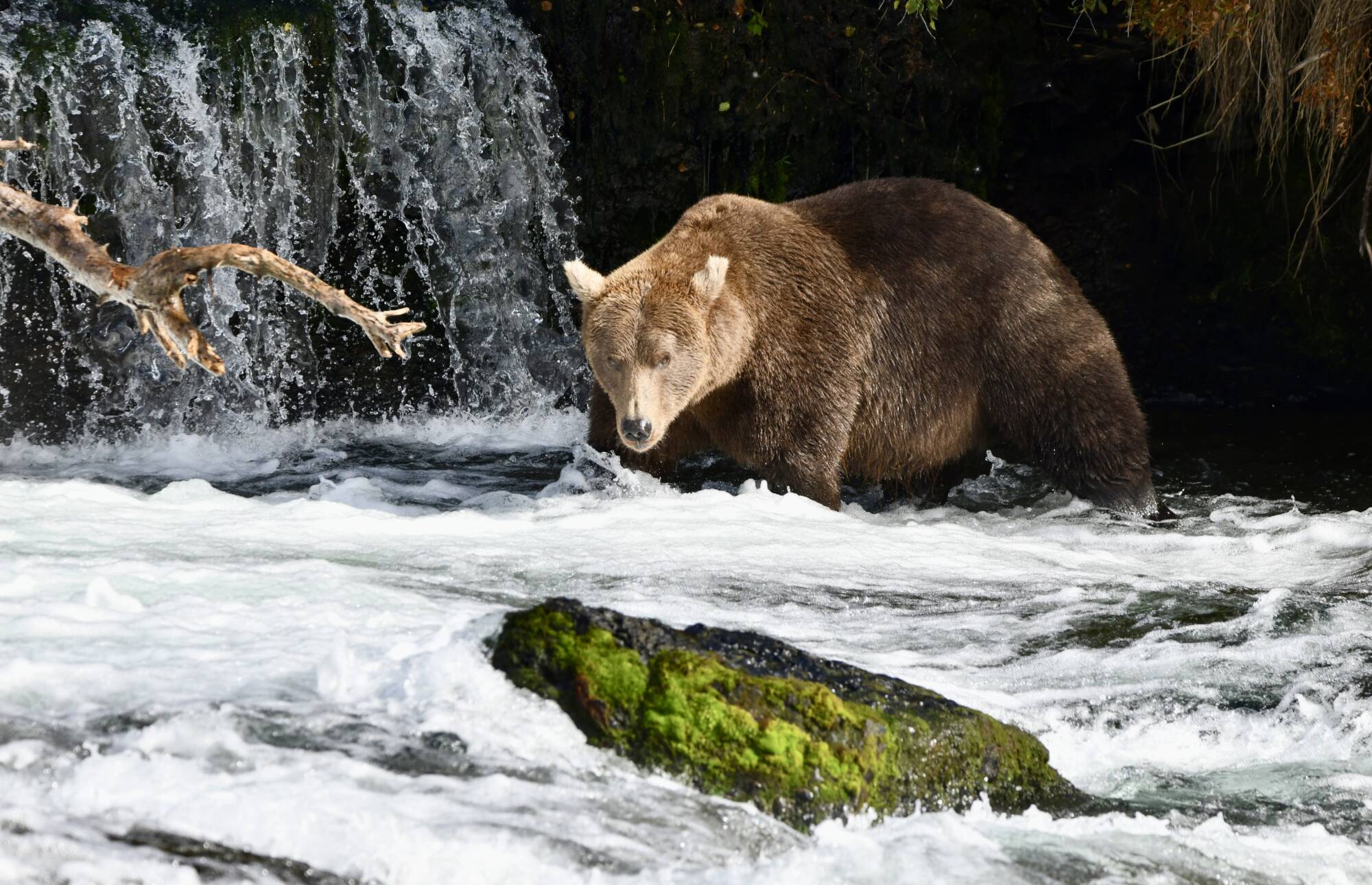
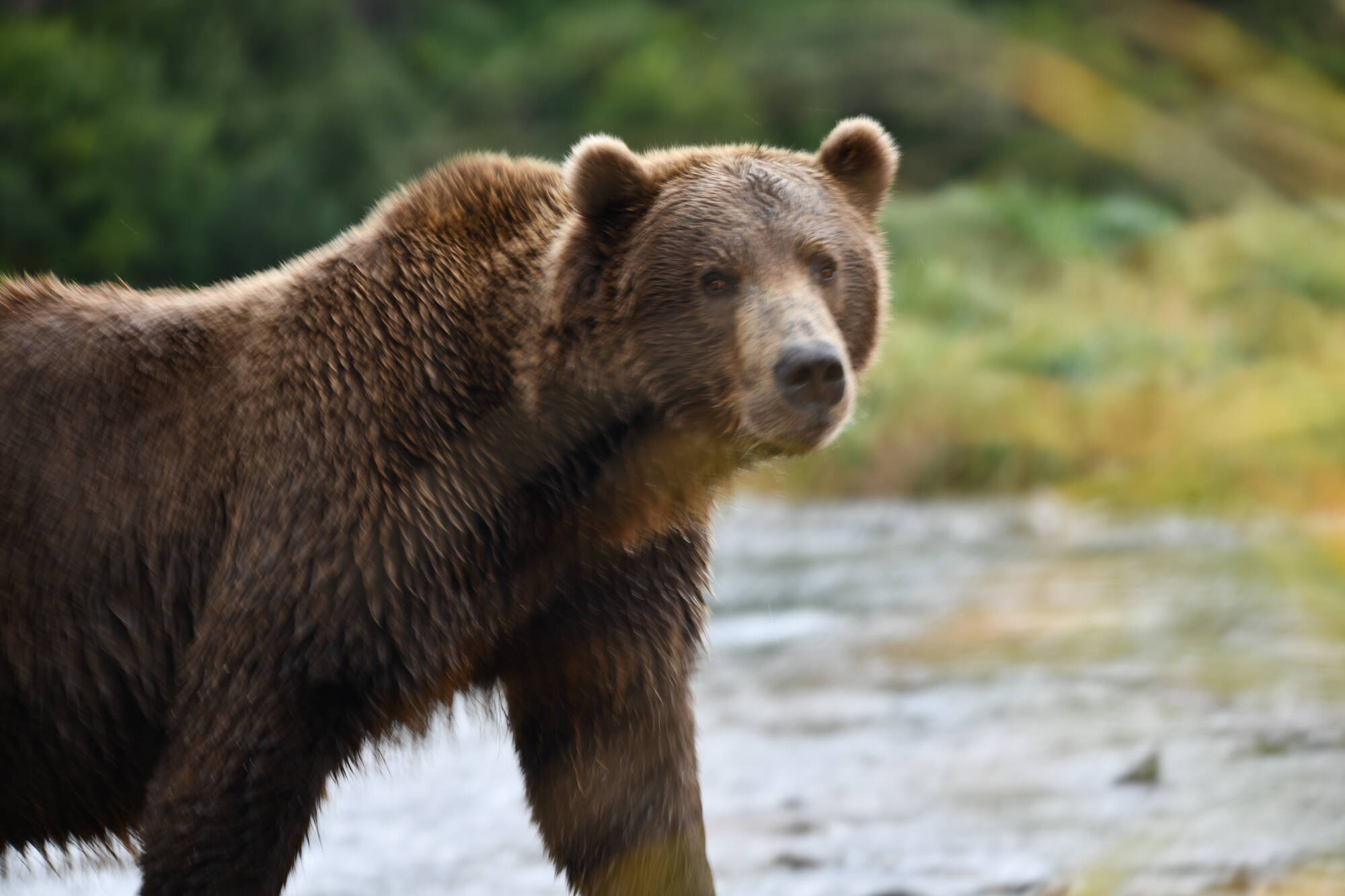
A brown bear fishes near Brooks Falls during an Alaska Ultimate Safaris bear viewing adventure.
What to expect on a bear tour from Homer
Most guests imagine the bears first, which is fair, but the full experience starts earlier. A well-run trip begins with clear communication, realistic expectations, weather awareness, and a guide team that knows how to make remote Alaska feel exciting without making it feel uncertain. You should know where you are likely to go, what conditions may change, and why flexibility is part of the value rather than a sign of disorganization.
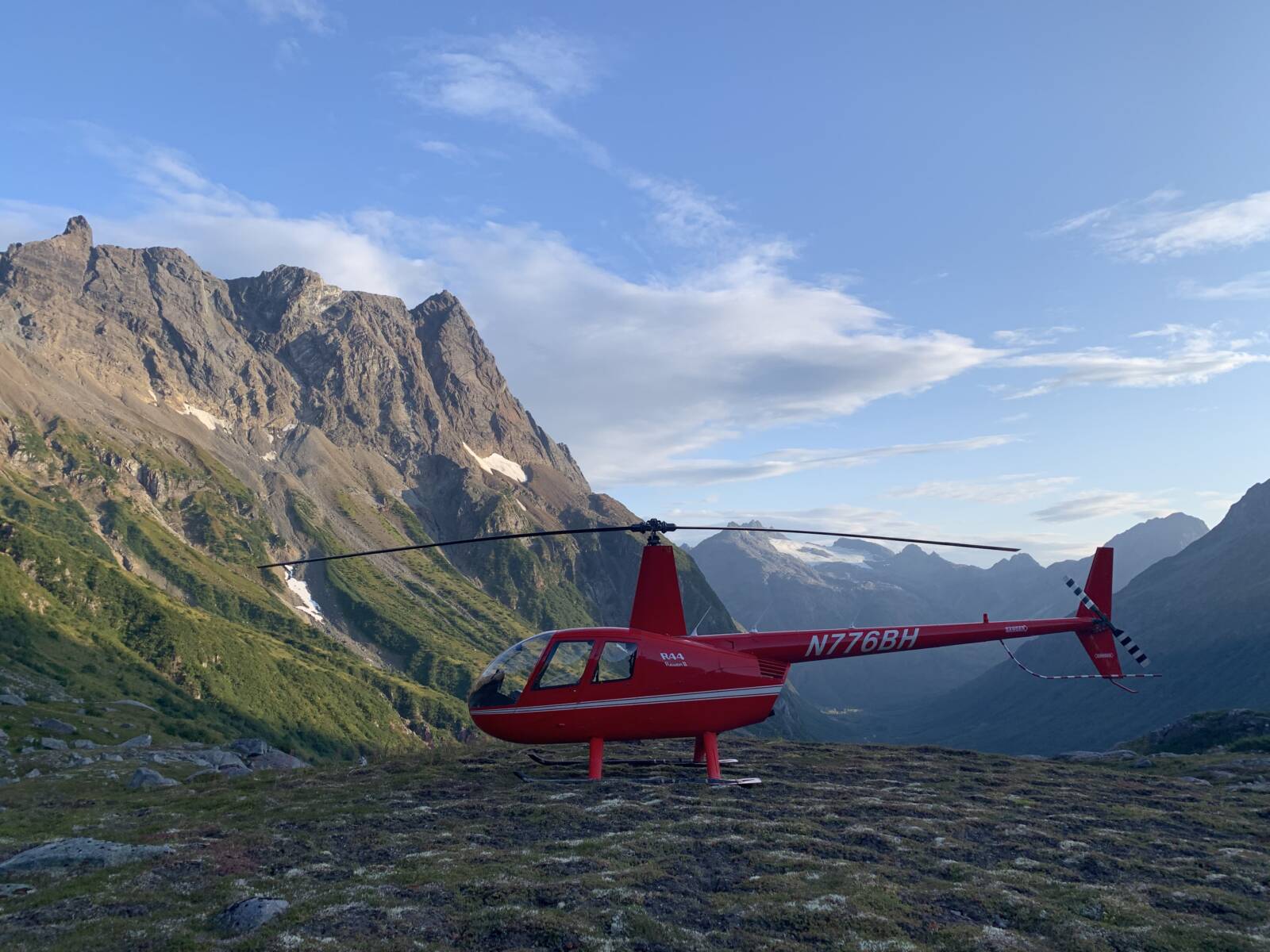
Once airborne, the scale of the country becomes obvious fast. Mountains rise out of the coast. Ice fields and volcanoes come into view. Then the plane drops lower into country with no roads, no lodges in sight, and no hint that you are visiting a place shaped for tourism. That transition is a big part of the appeal. The farther you get from conventional travel, the more the day starts to feel like what people hope Alaska still is.
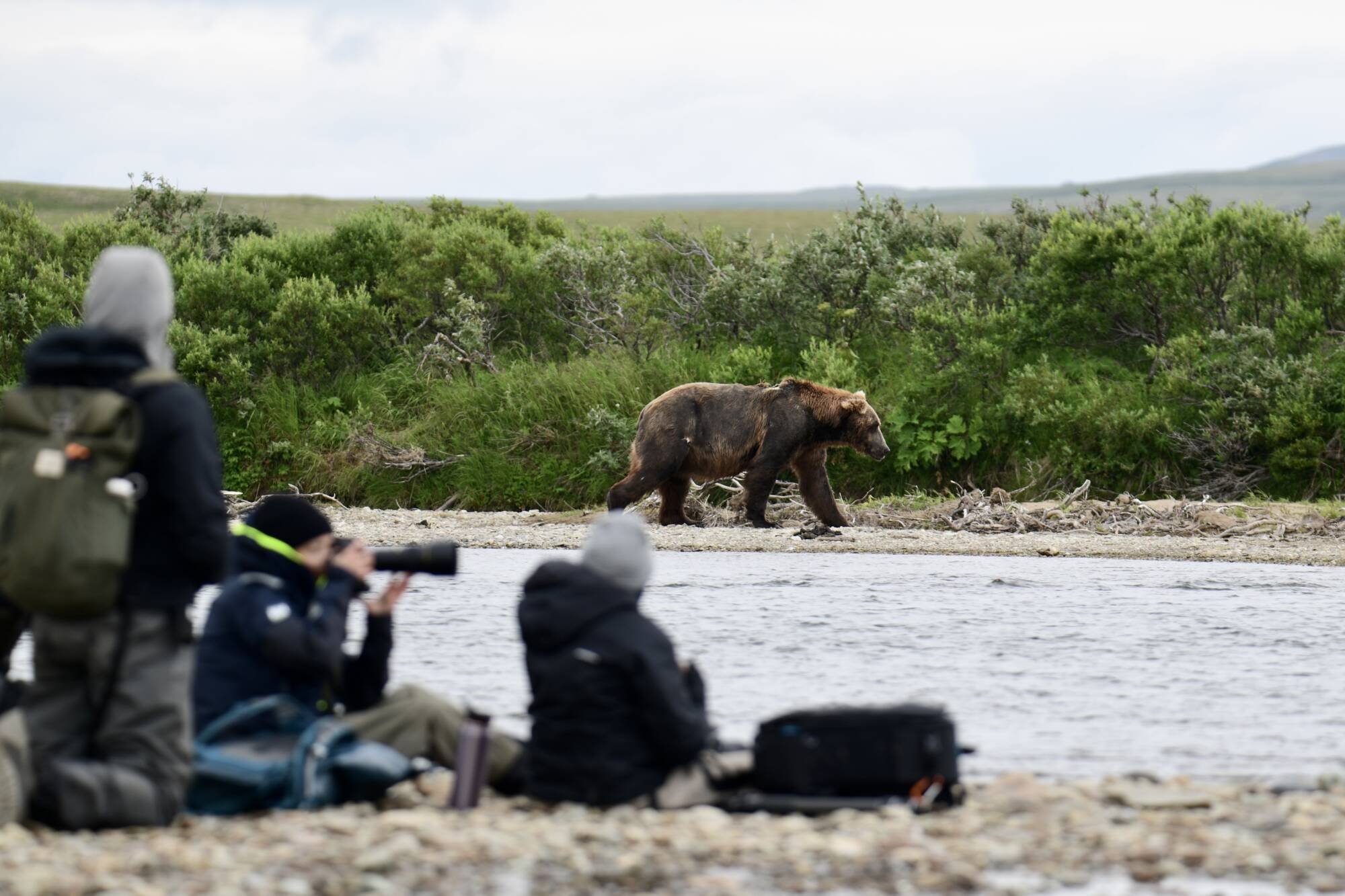
After landing, the pace changes. Bear viewing on foot is not a rush job when it is done well. Guides read wind, spacing, bear movement, and terrain constantly. Some days bring long, quiet observation as bears feed and move across open ground. Other days offer repeated close-range moments that feel almost unreal, especially for photographers and first-time visitors. Either way, the point is not to chase wildlife. It is to place you in the right habitat, at the right time, with the right margin of safety and enough patience to let the wild come to you.
How to choose the right Homer fly-out bear tours
If you are comparing options, start with the part many travelers overlook: access. Some tours reach heavily visited public sites. Others can also use private and more remote areas, which often means a more exclusive experience and more room to adjust when conditions shift. That can be the difference between sharing a viewing area and feeling like you have stepped into your own piece of Alaska.
Group size is just as important. Small groups are not a luxury add-on in bear country. They change the whole tone of the day. Smaller numbers mean less noise, easier movement, better guide communication, and a more personal experience on the ground. For couples, families, and serious photographers, that matters far more than people realize at the booking stage.
Then there is the question everyone cares about but sometimes hesitates to ask: what are the odds of actually seeing bears? Wildlife is never a machine, and any operator who promises a theatrical certainty without context is overselling. But experience, routing options, and season-specific planning make a real difference. If a company stands behind its trips with a bear sighting guarantee, that tells you something about both confidence and track record.
Safety should be weighed the same way. Remote aviation and bear viewing require judgment, not bravado. Look for operators with years in the field, a strong safety reputation, and guides who speak plainly about conditions. The right company will make the experience feel bold, not reckless.
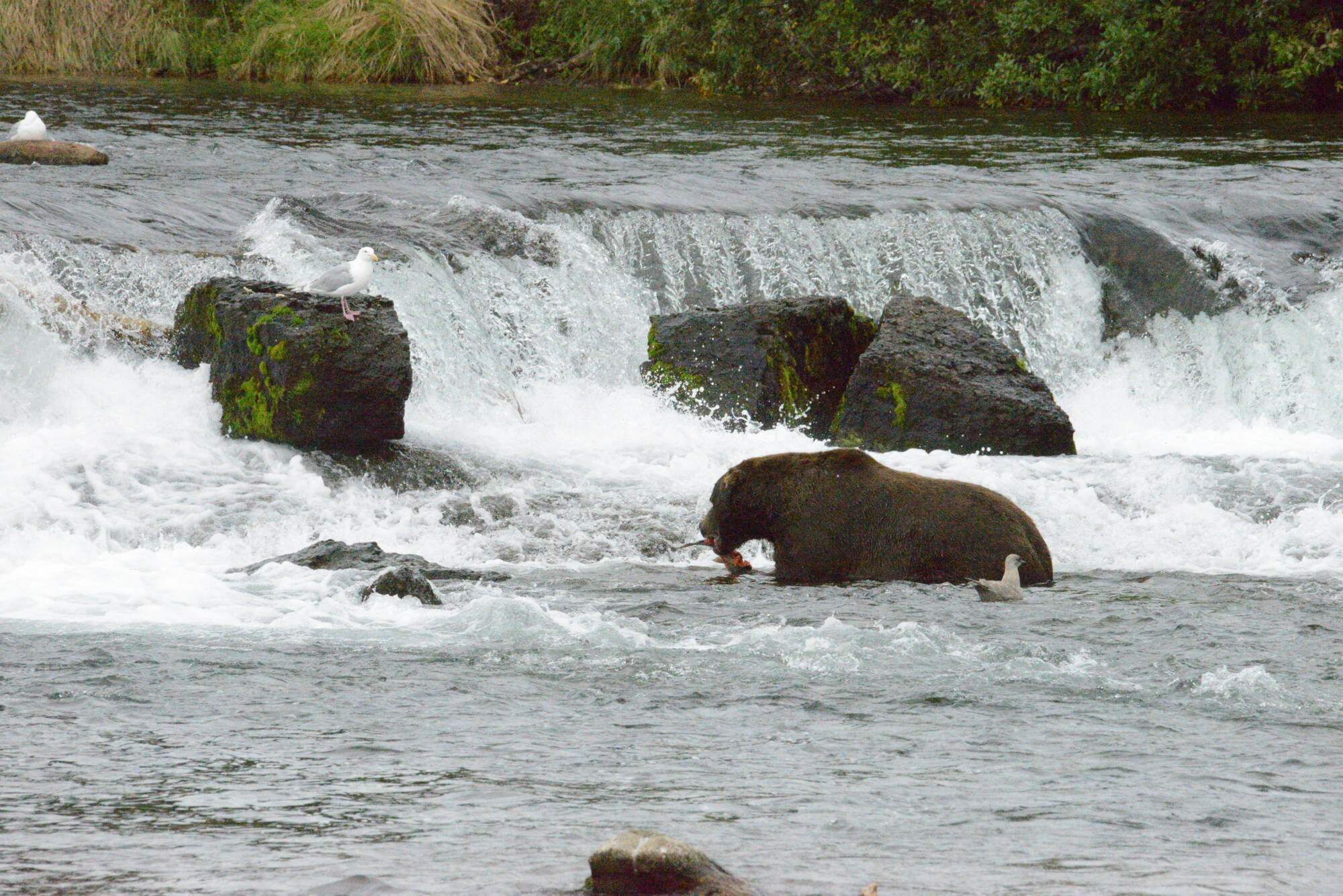
Brown bears gather near Brooks Falls during a classic Alaska bear viewing experience.
The trade-offs travelers should know
The best bear tours are extraordinary, but this is still wild Alaska. Weather can move your departure time. Wind, fog, or changing conditions may shift your destination. If your idea of a perfect trip depends on a rigid minute-by-minute script, a fly-out safari may feel unpredictable. If your idea of a perfect trip is getting the best possible day the landscape will allow, that same flexibility becomes a major advantage.
There is also a difference between a bargain and a value. Lower-priced tours can look appealing until you factor in larger groups, limited access, shorter time on the ground, or less room to adapt to bear activity. Premium pricing usually reflects aircraft logistics, highly experienced pilots and guides, specialized land access, and a more intimate experience. For a once-in-a-lifetime Alaska day, many travelers decide that is money well spent.
Season matters too. Early and mid-summer can offer lush feeding grounds and active bear movement. Later periods may align with salmon and different viewing patterns. There is no single perfect week for every traveler. Photographers may prioritize one phase of the season, while families may care more about overall comfort and broad scenic variety. A strong outfitter helps match the trip to what you actually want, not just what sounds good in a brochure.
Who gets the most from this experience
Homer fly-out bear tours are an easy fit for travelers who want more than a box checked. If you have dreamed of seeing brown bears in a truly wild setting, this is the kind of day that stays with you. It also suits travelers who are short on time but unwilling to settle for crowded, generic excursions.
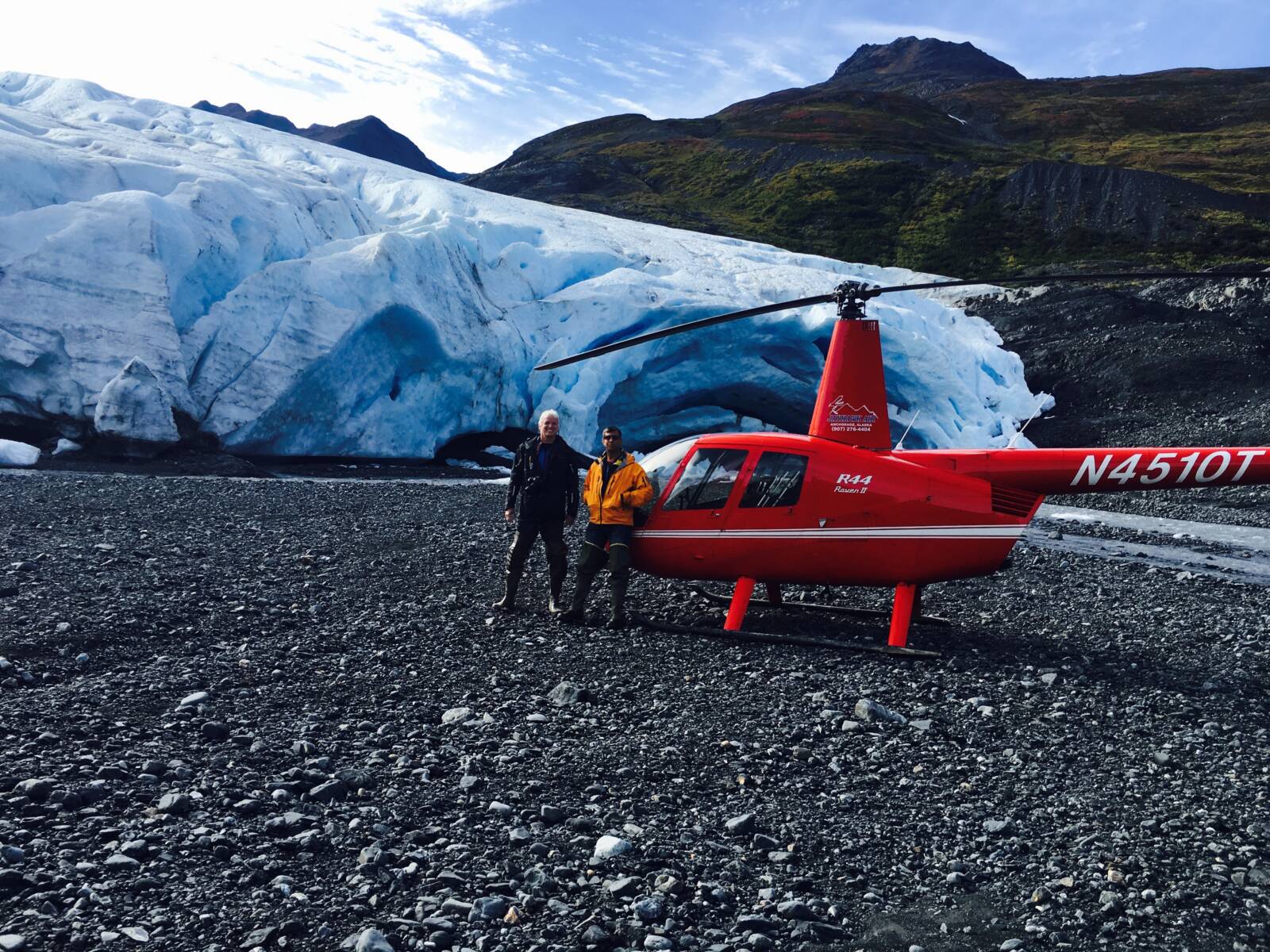
Couples often choose these tours because the experience feels rare and personal. Families with older children tend to love the mix of aviation, wildlife, and big Alaska scenery. Photographers value the access, the pace, and the chance to work in natural habitat rather than from a crowded line. And for travelers building a premium Alaska itinerary, a fly-out safari pairs naturally with glacier landings, volcanic terrain, remote cabins, and the kind of lodge-based trip that feels private from start to finish.
That is the larger point. A great bear tour is not only about seeing bears. It is about how the whole day feels – the lift-off from Homer, the route over untouched country, the quiet after landing, and the moment you realize you are watching one of North America’s most powerful animals exactly where it belongs. Companies like Alaska Ultimate Safaris have built their reputation on that difference: small groups, serious experience, flexible routing, and the confidence to stand behind the encounter.
If you are choosing between a standard excursion and the kind of day people talk about for years, go where the wild still has the final say. That is usually where the best stories begin.
Plan your bear safari
Ready for the next step?
Check live dates, talk with our Homer team, or ask which bear-viewing destination fits your travel window best.