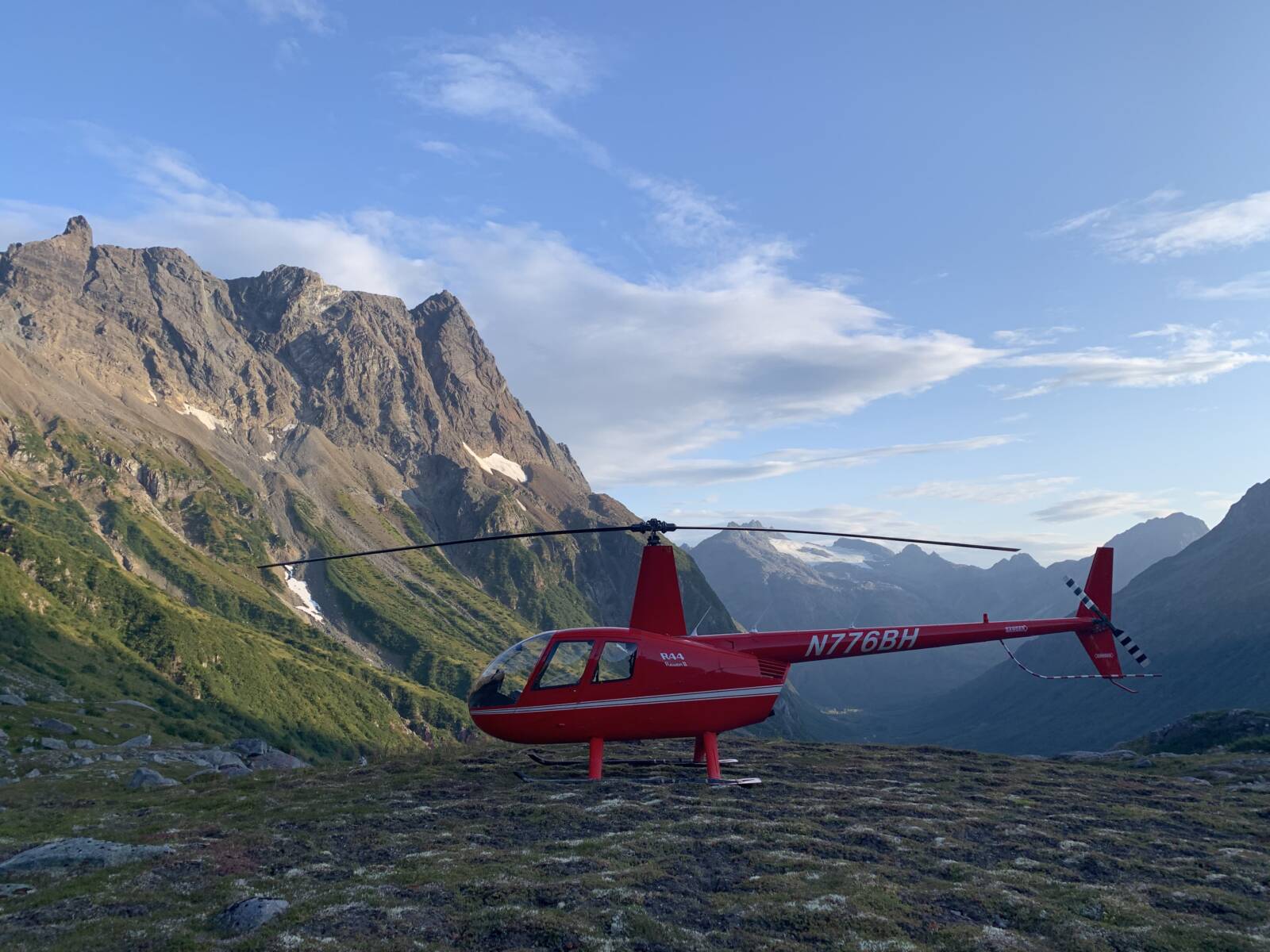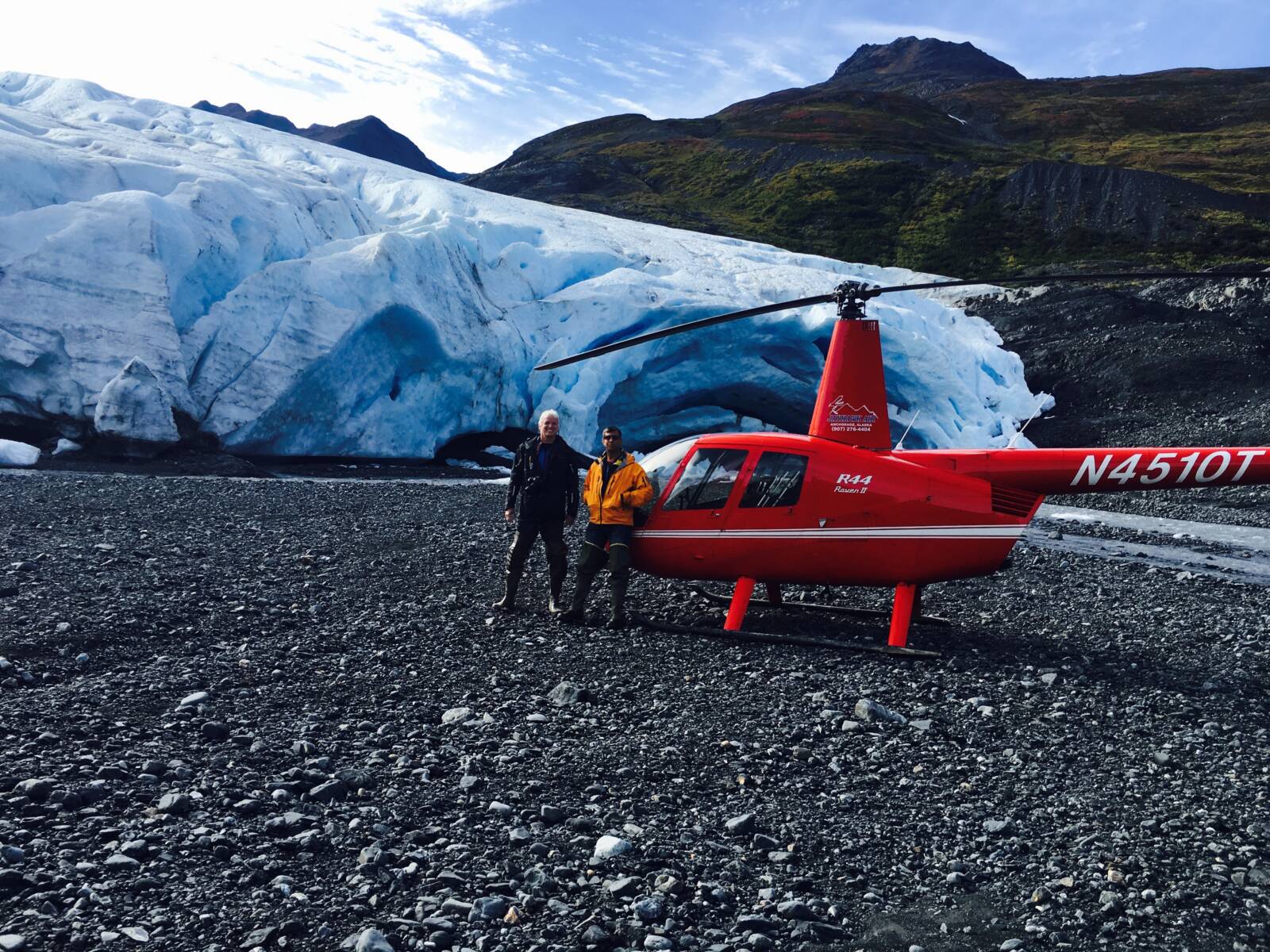
Some Alaska moments look unreal even when you are standing in them. A helicopter glacier tour Alaska experience is one of those. One minute you are lifting off over dark rock, braided rivers, and spruce-lined valleys. The next, the skids touch down on a field of ancient blue ice, and the noise drops away into a kind of silence you do not forget.
That contrast is exactly why this kind of trip lands so high on so many Alaska bucket lists. It is not just about seeing a glacier from the air. It is about reaching terrain that feels far removed from the standard sightseeing circuit, then stepping directly into it with expert pilots, tight logistics, and the kind of access that changes the whole scale of the landscape.
Why a helicopter glacier tour in Alaska feels different
Plenty of tours in Alaska promise big views. The difference with a helicopter is access. Fixed-wing flightseeing can cover a lot of country and deliver stunning panoramas, but a helicopter can hover, maneuver tighter terrain, and land in places that would otherwise remain a photograph taken from a window seat.
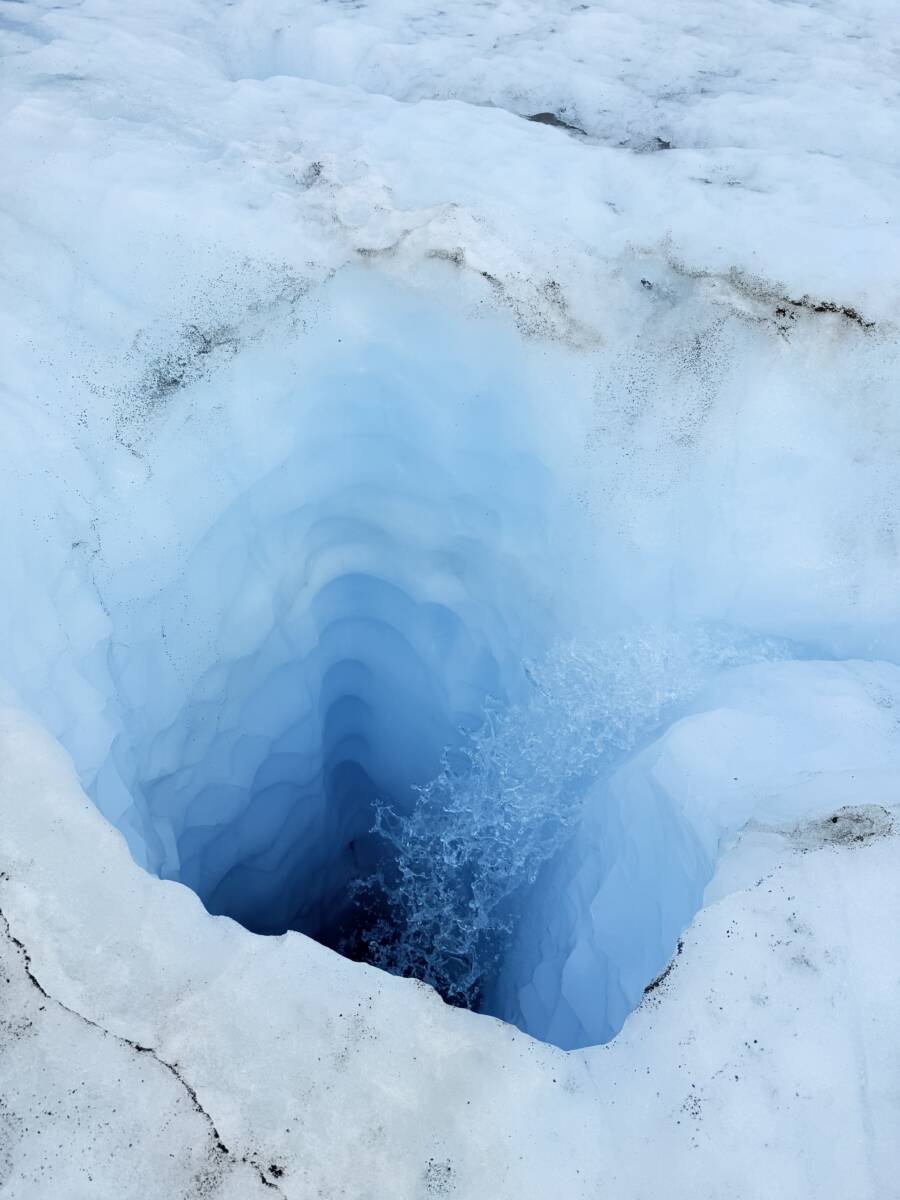
That matters in Alaska, where the best experiences are often defined by what happens after you arrive. When you can land on a glacier rather than circle above it, the trip shifts from scenic to immersive. You see the texture of wind-carved snow, the deep color in crevasses, the meltwater channels cutting through the ice, and the sheer scale of mountains rising straight out of frozen terrain.
For travelers who want more than a quick pass over the highlights, that extra level of contact is the point.
What you actually see on a helicopter glacier tour Alaska trip
The short answer is that it depends on weather, route, and operating area. The better answer is that the flight itself is often as memorable as the glacier landing.
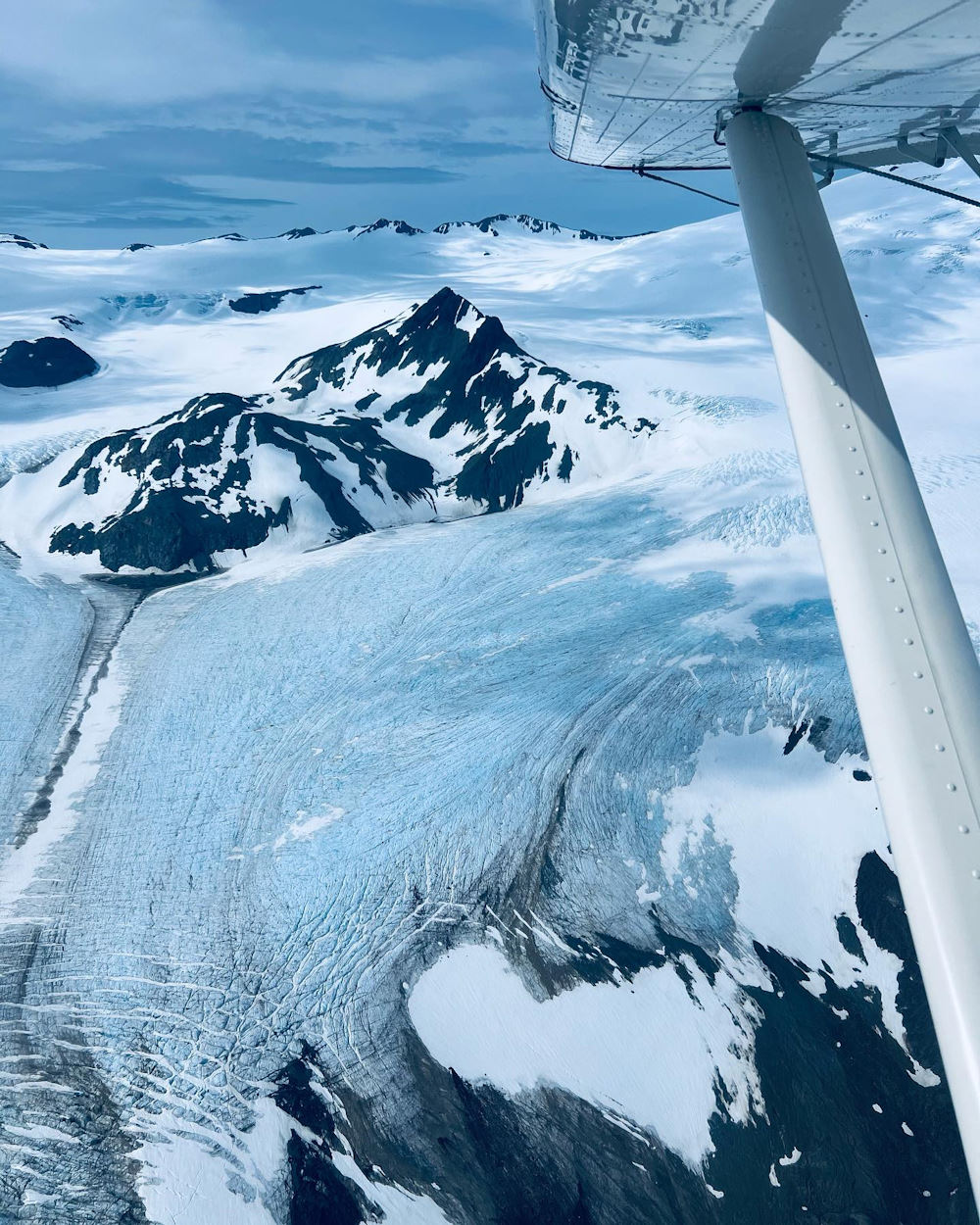
Expect a fast-changing sweep of Alaska terrain. Coastal mountains can give way to icefields in minutes. You may cross over hanging glaciers, alpine ridgelines, volcanic features, glacial lakes, and river systems that look braided from thousands of feet above. On clear days, the visibility can feel endless. On moody days, low clouds and shifting light can make the country feel even more dramatic.
Then there is the landing. Stepping onto a glacier is not like stepping onto a frozen sidewalk. Glacier ice is alive, moving slowly over time, cracking, melting, reforming, and carrying the marks of season and pressure. Some landing sites are broad and open, ideal for taking in the full mountain backdrop. Others feel more sculpted, with blue ice walls, shallow depressions, and snowfields that stretch past the edge of sight.
If your operator combines helicopter access with a broader wilderness itinerary, the day can become even more powerful. In the Homer region, some premium experiences pair glacier landings with remote fly-outs, wildlife country, or private terrain that typical mass-market operators never touch. That is where a trip starts to feel less like a tour and more like real frontier access.
Who this experience is best for
A helicopter glacier tour appeals to a wide range of travelers, but it is especially strong for people who value access over volume. If you are the kind of traveler who would rather have one unforgettable landing in a remote location than a packed day hitting crowded stops, this is your pace.
Couples love it because it feels cinematic without being staged. Families often choose it because it delivers a genuine Alaska story in a format that is exciting but still manageable. Photographers are drawn to the angles, texture, and light. Adventure travelers book it because few things match the feeling of lifting off into wild country and touching down where there are no roads, no buildings, and no crowd waiting for the same photo.
It can also be a strong fit for travelers who are short on time. Alaska is huge, and some of its most impressive terrain is difficult to reach overland. A helicopter compresses that scale in a way that makes a single day feel much bigger.
Not all helicopter glacier tours are the same
This is where expectations matter. On paper, several tours may sound similar. In practice, the experience can vary quite a bit.
Some tours are built for volume. They move a lot of people efficiently, follow predictable routes, and focus on a reliable scenic format. There is nothing inherently wrong with that, especially if your main goal is to check the box and capture a few strong photos.
But if you are after something more personal, look closely at group size, departure point, routing flexibility, landing time, and what else is included in the day. Smaller operations usually have more room to adapt to conditions and create a less rushed experience. That matters in Alaska, where weather, light, and wildlife activity can reshape a day quickly.
A premium operator should be confident about safety, transparent about logistics, and realistic about conditions. It should also make clear whether the trip is primarily scenic, primarily landing-focused, or part of a larger adventure package. Those distinctions affect everything from pacing to value.
How weather shapes the experience
If you are planning a helicopter glacier tour in Alaska, flexibility is not a side note. It is part of doing this country right.
Mountain weather changes fast. Visibility, wind, cloud ceiling, and precipitation all influence where aircraft can safely go and what pilots can safely do. The best operators do not force a script when conditions say otherwise. They adapt. Sometimes that means adjusting the route for better views. Sometimes it means shifting timing. Sometimes it means acknowledging that safety comes first, even when that is not the answer a traveler hoped for.
This is one reason experience matters so much. Veteran operators know how to read local conditions, communicate clearly, and make smart calls without turning the day into a guessing game. For guests, that translates into confidence. You are not paying for bravado. You are paying for judgment.
What to wear and how to prepare
The strongest approach is simple: dress for changing conditions and let the operator handle the complicated part.
Even in summer, glacier environments can be cold, windy, and bright. Wear layers you can move in comfortably. A weather-resistant outer layer helps. Good sunglasses matter more than many first-time guests expect, especially on clear days when the light off snow and ice is intense. Footwear should be practical, stable, and suitable for uneven ground.
Do not overpack for the landing. Most guests enjoy the experience more when they are not juggling too much gear. If photography is a priority, bring the camera you know how to use well. Alaska does not usually reward fiddling with equipment while the moment is happening.
And if you are wondering whether this is physically demanding, the answer is usually no, but it depends on the specific tour. Many glacier landings are accessible for travelers with a normal level of mobility. More adventurous add-ons may require a little more movement over snow or uneven surfaces. Ask in advance, especially if anyone in your group has mobility concerns or wants a gentler experience.
Why the best tours feel uncrowded
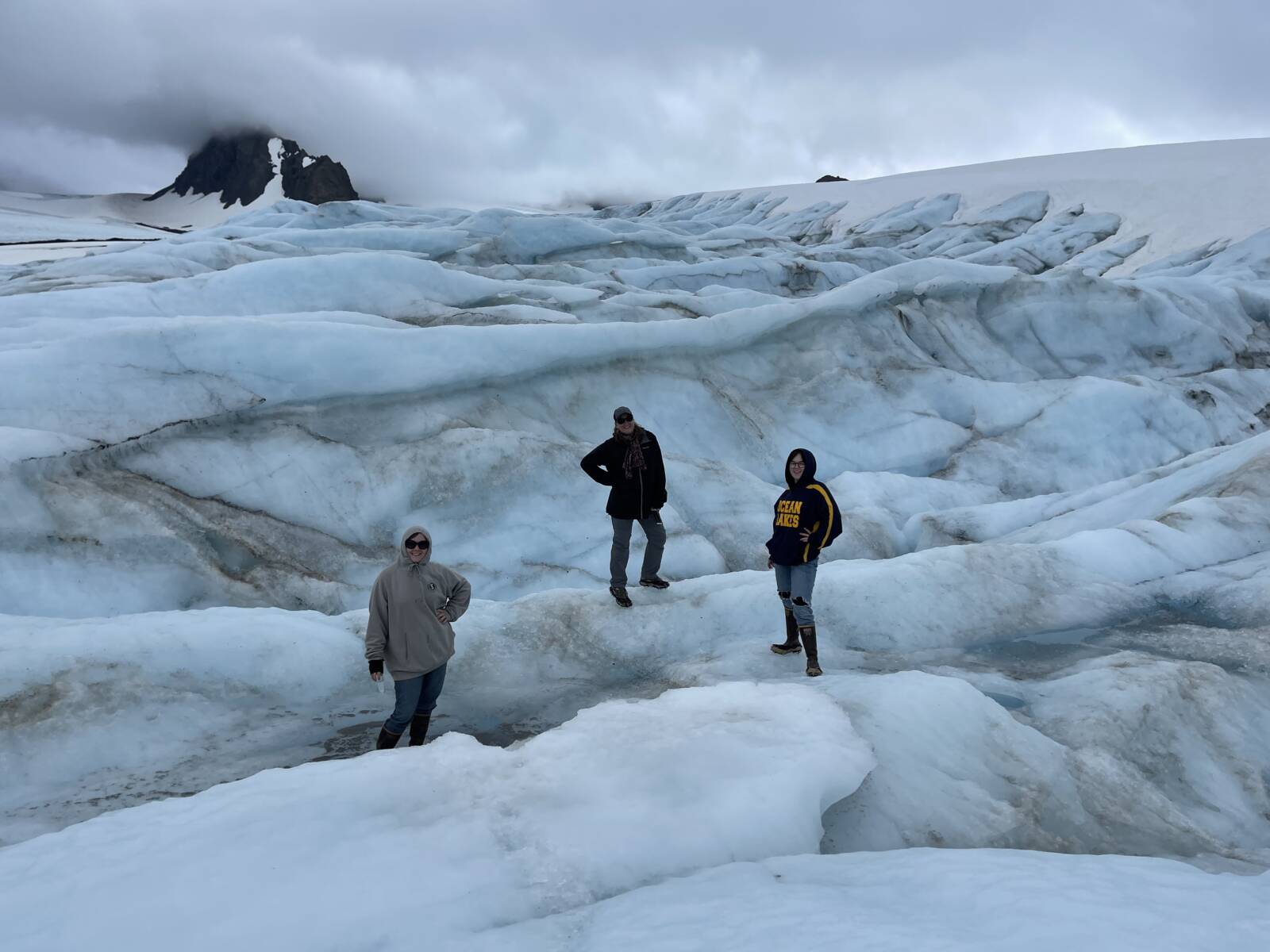
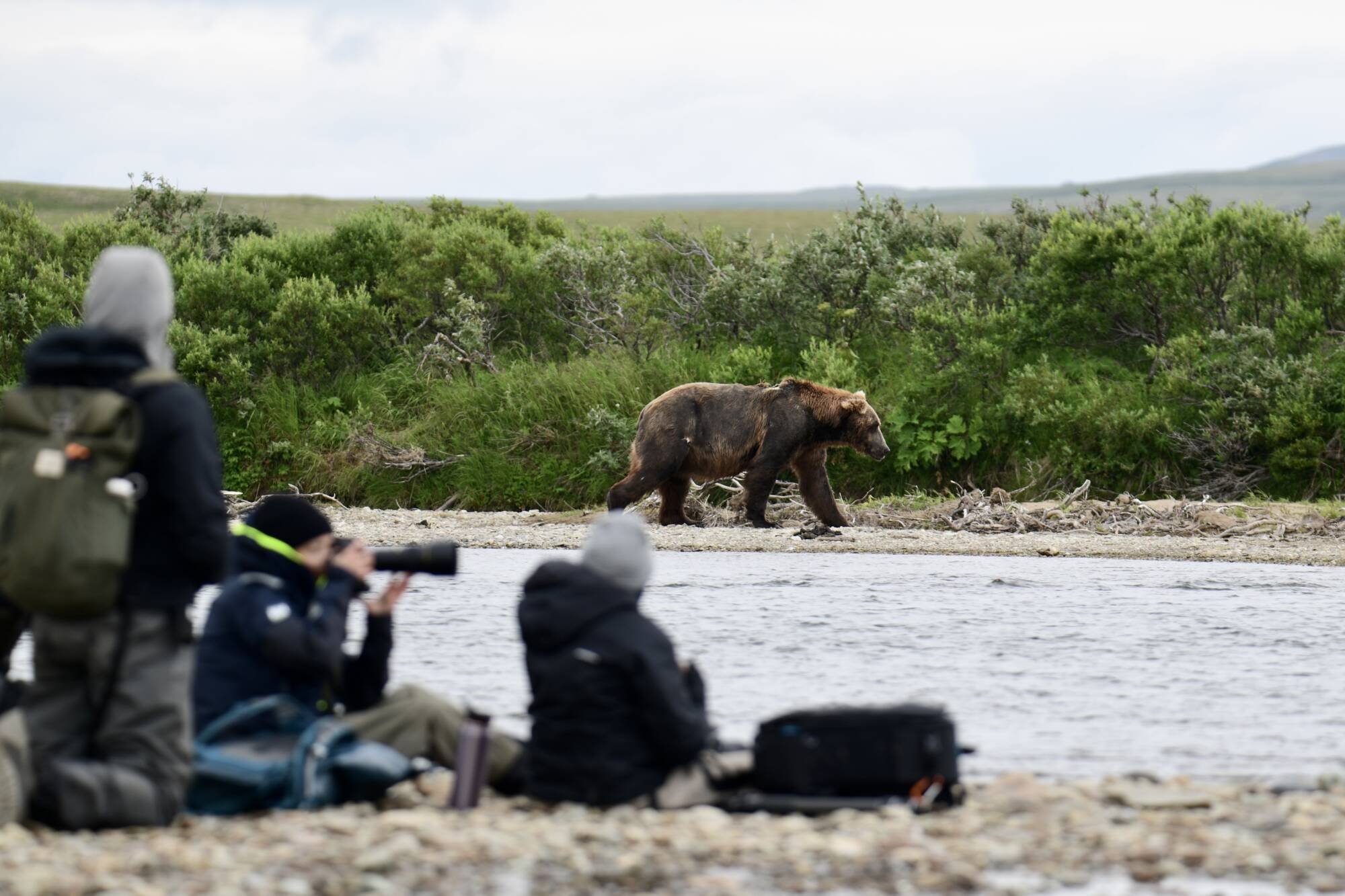
A glacier is not improved by a crowd. Neither is a bear viewing meadow, a remote beach landing, or a volcanic ridge. Premium Alaska travel is increasingly about spacing, flexibility, and access to places that still feel wild.
That is one reason small-group operators stand out. The day moves with less friction. You spend less time waiting and more time experiencing. There is room for a real guide presence, not just a transportation service. Questions get answered. Timing feels intentional. The trip breathes.
For travelers coming all the way to Alaska for a once-in-a-lifetime experience, that difference is not small. It often becomes the thing they remember most. Not just the glacier itself, but the feeling that they were truly out in the country, not being processed through it.
Operators such as Alaska Ultimate Safaris have built their reputation around exactly that kind of remote, high-value access – expert-led, safety-focused, and designed for guests who want the wild version of Alaska, not the crowded one.
How to choose the right tour for your trip
Start with one honest question: do you want a scenic highlight, or do you want an experience that feels personal and hard to replicate?
If the answer is the second one, do not choose on price alone. Look for flight time, landing time, group size, pilot and guide experience, safety record, and whether the operator is known for adapting to conditions rather than running a rigid formula. If you are pairing this with wildlife viewing or a broader adventure itinerary, choose an outfitter that can deliver both without making either feel secondary.
The strongest Alaska trips are rarely the ones that cram in the most. They are the ones that give you full access to one remarkable place and the time to feel where you are.
A helicopter glacier landing has that kind of power. It strips away distance, puts you directly on the ice, and gives you a perspective on Alaska that road-based travel simply cannot. If you choose well, you will come back with photos worth sharing. More importantly, you will come back with that rare feeling that you got beyond the postcard and into the real thing.
If Alaska is calling you north for something unforgettable, choose the version that actually puts your boots on the ice.