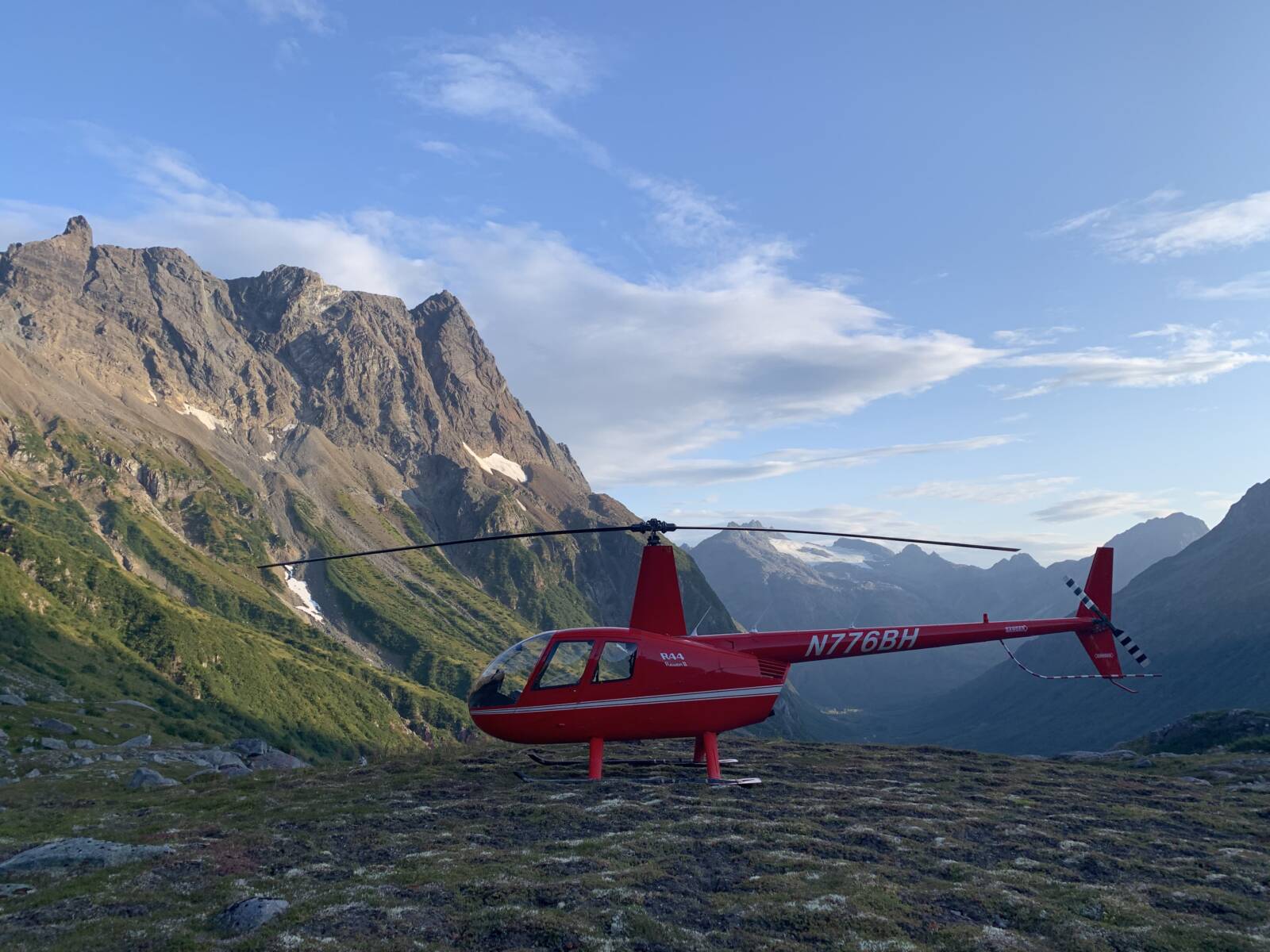
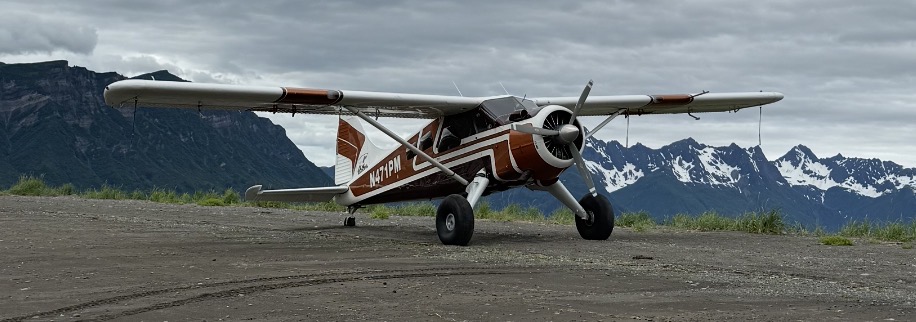
A bush plane used for remote Alaska bear viewing flights from Homer.
The moment the floats kiss a remote lake or tundra tires touch a wild beach, you understand why fly-in bear viewing Alaska sits on so many bucket lists. This is not a bus pullout, a crowded boardwalk, or a distant speck in binoculars. It is the real thing – brown bears moving through sedge meadows, fishing river mouths, patrolling tidal flats, and raising cubs in country that still feels untouched.
For travelers who want more than a quick sightseeing pass, the difference is access. Flying from Homer into bear country opens terrain that road systems simply do not reach. It also changes the quality of the encounter. You are not just seeing Alaska from above. You are landing in it.
Why fly-in bear viewing in Alaska feels different
A fly-in bear trip strips away the usual tourist clutter. There are no long bus lines, and no sense that the day is being run for the largest possible crowd. Instead, the experience starts with a bush flight over jagged coastlines, glacier-cut valleys, active volcanoes, and wide stretches of wilderness where there are no roads at all.
That matters because brown bears live on Alaska’s terms, not ours. The best viewing areas are often far from developed corridors, and conditions shift by the hour. Water levels change. Weather moves in. Salmon runs peak and taper. Bears follow food. A real fly-in operation can adjust to those conditions and aim for the best available habitat instead of forcing every guest into the same fixed route.
That flexibility is where premium trips separate themselves from standard flightseeing. You are paying for more than air time. You are paying for judgment, local knowledge, and access to places that still feel wild when your boots hit the ground.
What makes a great fly-in bear viewing Alaska trip
Not every bear tour delivers the same experience, even if the brochure photos look similar. The strongest trips combine aircraft capability, experienced guides, small groups, and route flexibility.
Aircraft matter because Alaska’s coast and backcountry are not one-size-fits-all. Some bear habitats are best reached by floatplane. Others call for beach landings, tundra tires, or a helicopter transfer to reach private or highly remote terrain. Operators with more than one way in can respond to the day’s conditions and take guests where wildlife activity is strongest.
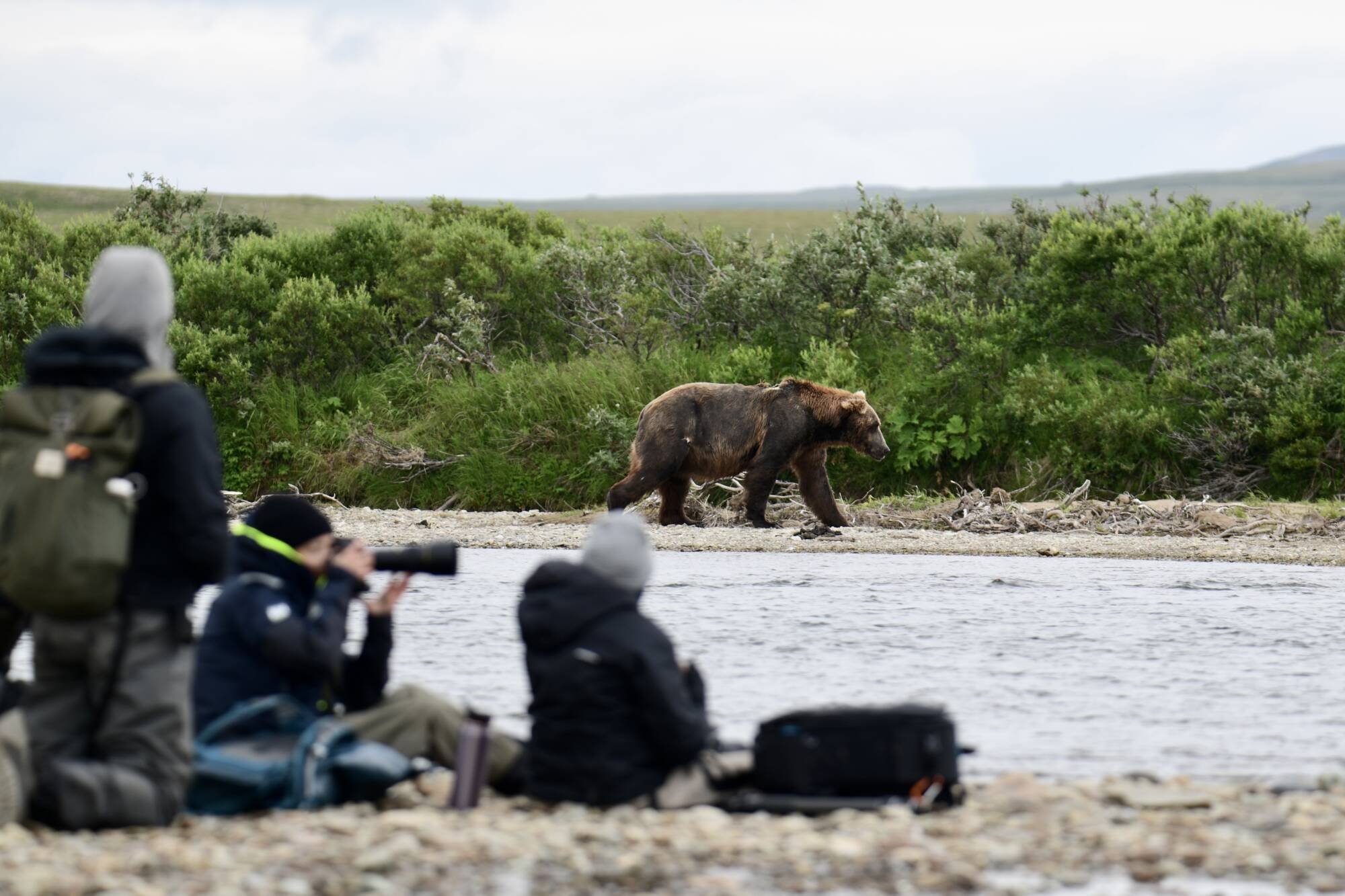
Guiding matters just as much. Brown bear viewing is not a theme park attraction. Good guides know how to read animal behavior, maintain safe spacing, move calmly, and position guests for the best possible experience without disturbing the bears. That skill changes everything. It turns a simple sighting into an encounter you can actually absorb.
Group size also shapes the day. Smaller groups move more quietly, land faster, and adapt more easily. They feel less like a tour and more like a true field experience. If your goal is intimacy, photography, and time to watch natural behavior unfold, fewer people is almost always better.
Where these trips usually go
When travelers picture Alaska brown bear country, they are often thinking of Katmai National Park and Lake Clark National Park. Both are legendary for a reason. They hold rich coastal habitat, strong salmon systems, vast meadows, and some of the best bear viewing on earth.
Katmai is famous, and deservedly so. It draws photographers, wildlife travelers, and first-time visitors who want to stand in one of the world’s great bear ecosystems. Lake Clark offers its own stunning mix of beaches, estuaries, mountains, and feeding areas, often with a strong sense of scale and solitude.
The best part is that a well-run fly-in safari is not locked into a single postcard spot. Conditions vary across the season, and the best operators use that to your advantage. Instead of treating every day as identical, they match the route to weather, wildlife movement, and ground conditions. That can mean the difference between checking a box and having the kind of day people talk about for years.
When to go for the best bear viewing
There is no single perfect month for everyone because bear behavior changes with the food source. Early season often brings bears into sedge meadows and coastal feeding zones. Later, salmon become the main event at many rivers and streams. By late summer and early fall, bears are focused on putting on weight, and activity can be intense.
If you want lush landscapes, active movement, and the chance to see bears spread across open terrain, early and mid-summer can be outstanding. If your dream image is a giant brown bear charging through a river after salmon, peak fish runs later in the season may be the better fit.
This is one of those “it depends” decisions. Families, casual wildlife travelers, and people who want broad scenic variety may love one part of the season. Serious photographers may time a trip around light, spawning salmon, or specific bear behavior. The right choice depends on what kind of story you want to bring home.
What the day actually feels like
A premium fly-in bear day starts long before the first sighting. There is a certain pulse to loading up in Homer, listening to the weather, and watching the aircraft lift over Kachemak Bay toward country that most visitors never touch. That flight is part of the experience, not dead time between activities.
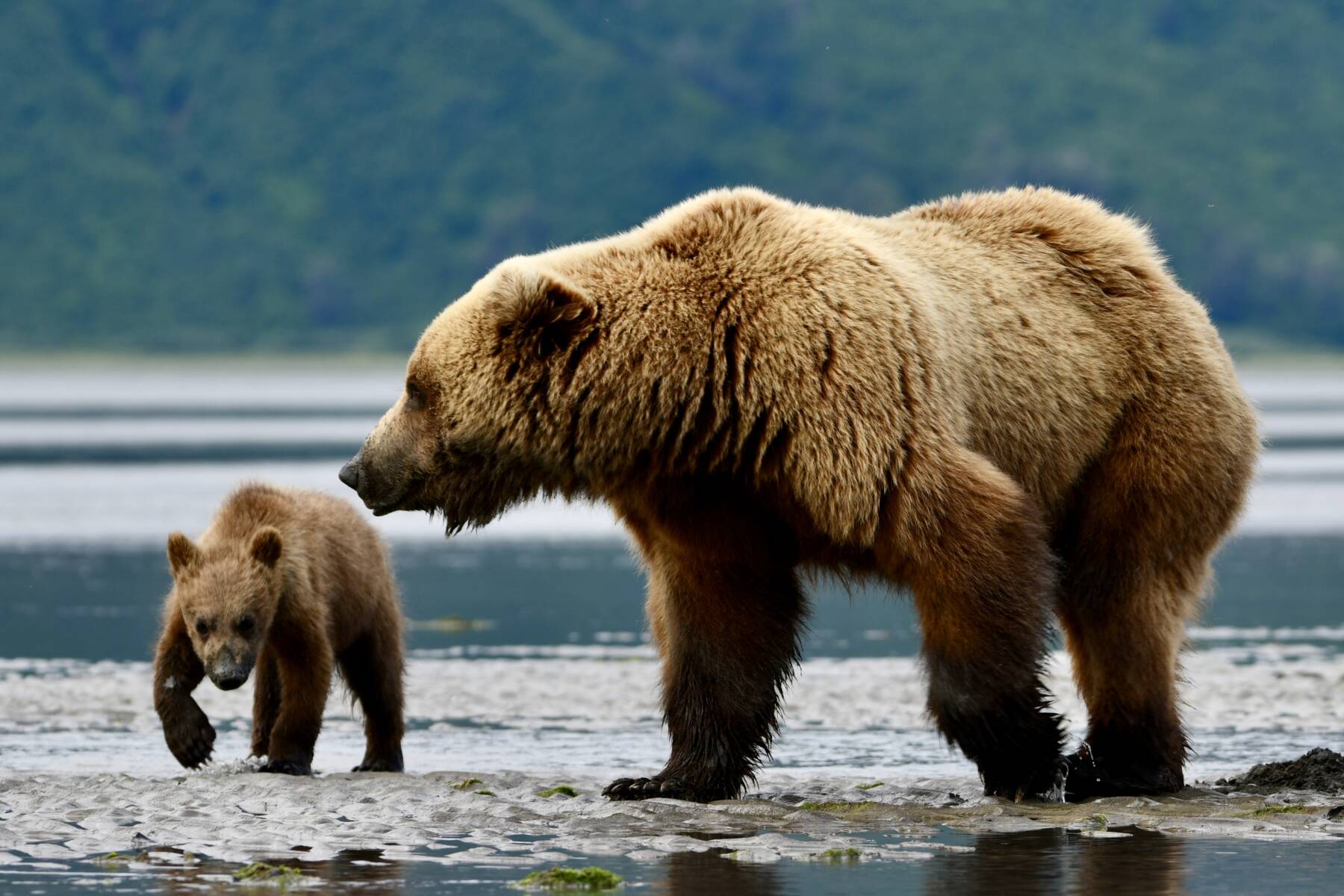
Once on the ground, the pace changes. You may walk tidal flats, cross sedge meadows, or wait quietly near a stream while your guide reads the movement around you. Sometimes the bears appear quickly. Sometimes the best moments arrive after patience. A sow with cubs may emerge from the grass. A large boar may drift down the shoreline with absolute confidence. A bear may feed so close you hear the wet pull of sedge stems.
The strongest trips leave room for those moments. They do not rush you from one photo stop to the next. They give you time to watch behavior, understand the setting, and feel the scale of wild Alaska around you.
Safety, sightings, and the questions people ask most
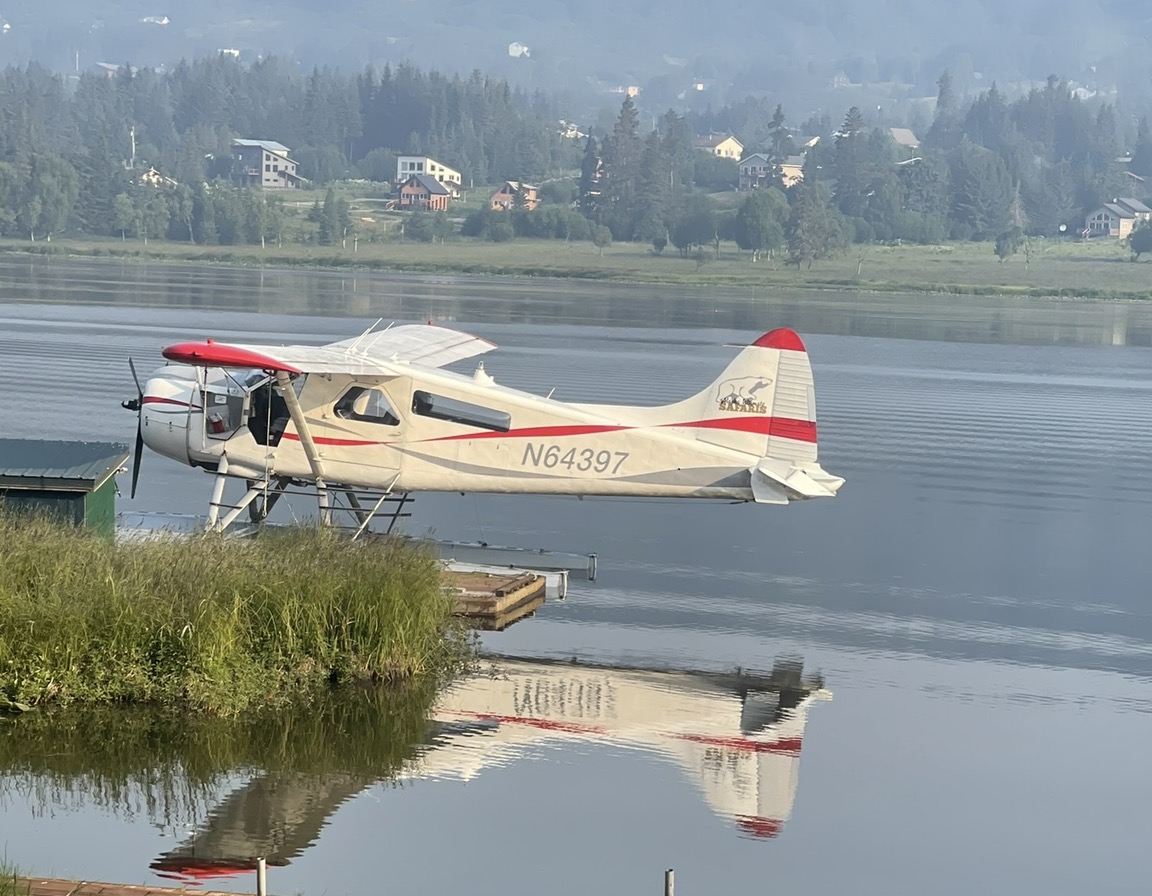
A floatplane on Beluga Lake in Homer, Alaska, ready for remote bear viewing flights.
Most travelers are not worried about whether Alaska is beautiful. They are worried about logistics, weather, and whether the trip will actually deliver. Those are fair questions.
Remote aviation requires experience, and bear country requires discipline. This is not the place to choose a bargain operator with limited field judgment or oversized groups. You want a company with a long track record, serious safety standards, and guides who know these landscapes intimately.
Weather can absolutely affect flight schedules in Alaska. Anyone promising otherwise is selling fantasy. The better promise is thoughtful planning, route flexibility, and experienced decision-making. In the bush, patience and professionalism matter more than marketing language.
As for sightings, this is where premium bear operators stand apart. Alaska Ultimate Safaris has built its reputation around guaranteed bear viewing or your money back, and that kind of confidence means something. It tells you the trip is designed around wildlife success, not just scenic flying.
Is fly-in bear viewing worth the price?
For the right traveler, yes. It is not the cheapest day in Alaska, and it should not be. You are paying for aircraft, remote logistics, guide expertise, safety systems, and access that most visitors will never experience.
What you get in return is the chance to witness the wild at close range, without the diluted feeling that comes with crowded mass-market tours. For couples marking a milestone, families wanting a true once-in-a-lifetime day, or photographers chasing powerful wildlife images, the value is not measured by hours on a clock. It is measured by the rarity of the experience.
If your priority is simply saying you saw a bear, there are lower-cost options in Alaska. If your priority is stepping into real bear habitat with a small group, an expert guide, and a strong chance of unforgettable encounters, fly-in access is in a different league.
Who this trip is best for
This kind of adventure fits travelers who want intimacy, not spectacle. It is ideal for people who care about wildlife, want to avoid crowds, and understand that the best parts of Alaska are usually the hardest to reach. It is also an excellent match for travelers who value premium service because remote days run better when the operation behind them is dialed in.
You do not need to be an extreme adventurer. You do need curiosity, flexibility, and respect for wild country. If that sounds like your kind of day, fly-in bear viewing is one of the strongest experiences Alaska can offer.
Some trips give you a few nice photos. Others give you a moment that stays with you long after the plane lifts off for home – the sound of wings fading out, the stillness of the coast, and a brown bear moving through its world as if you were never meant to be there at all.
Plan your bear safari
Ready for the next step?
Check live dates, talk with our Homer team, or ask which bear-viewing destination fits your travel window best.